A rider bails on a trick, lands on an outstretched hand and the wrist throbs. That skateboard injury is often a sprain or fracture, and most are minor to moderate, but a loss of consciousness, confusion or severe headache means medical attention immediately.
Knowing which injuries are likely, and which myths lead riders to ignore them, makes the right response quicker. Readers weighing the risks against the benefits can also read the fitness guide that answers is skateboarding good exercise.
Myths about skateboard injuries, checked against the evidence
Many riders assume that big tricks on busy streets cause the damage. A hospital study from Umeå of 139 people injured in skateboarding accidents between 1995 and 1998 tells a different story. Loss of balance caused 37% of the injuries and failed trick attempts caused 26%, so ordinary riding errors matter as much as ambitious tricks. The table sets five common beliefs against what the evidence supports.
| Common belief | What the evidence shows | Planning use |
|---|---|---|
| Only trick attempts cause injuries | 37% of injuries followed a loss of balance and 26% a failed trick attempt. | Practise balance and basic riding, not just tricks. |
| Roads are the main hazard | Only 12 injured people (9%) were hurt on roads. Falls caused by surface irregularities produced the highest proportion of moderate injuries. | Check the surface for cracks and debris wherever you skate. |
| Beginners can skip pads until they improve | One-third of skateboarding injuries occur during the first week of learning. | Wear the full set of protective gear from the first session. |
| A fall means a sprain at worst | Fractures were found in 29% of the 139 injured people, and ankle and wrist fractures were the most common. | Treat a painful ankle or wrist as a possible fracture until it is assessed. |
| Skateboard injuries rarely need hospital care | In the United States, over 78,000 emergency room visits in 2011 were due to skateboard-related injuries, and more than 450 hospital admissions per year are related to them. | Take head symptoms and suspected fractures seriously. |
The figures come from the Umeå hospital study and Luskin’s skateboarding safety page.
The practical lesson is that risk follows the rider’s control and the ground underfoot, not just the trick list. A rider who skips trick attempts but rides on broken pavement is still exposed, and a beginner in the first week is exposed whatever the terrain.
Common skateboard injuries and how to recognise them
Luskin lists bruises, cuts, broken bones and traumatic brain injuries as the range of skateboarding trauma. The three injuries below account for most of the serious decisions a rider or parent faces.
Ankle injuries
Ankle fractures were among the most common fractures in the Umeå study. A sore ankle after a bad landing therefore deserves more than a shrug. A sprain responds to the rest, ice, compression and elevation routine in the first-aid section. A suspected fracture needs the joint kept still and a medical assessment, so do not skate on it to test it.
Wrist injuries
Wrists were the other site of the most common fractures in the same study. A wrist fracture is a moderate injury, not a minor one, because the researchers classed the fractures they found as moderate. A rider with a painful, tender wrist after a fall should immobilise it with a splint or keep it as still as possible, then get it checked. Wrist guards are the piece of gear aimed at this injury.
Head injuries and concussion
Concussion is the injury where the stakes are highest and the signs are easy to dismiss. One legal-information source describes concussion as dangerous, with symptoms such as disturbed vision, lack of balance and unconsciousness. Another guide says to seek medical attention immediately if there is loss of consciousness, confusion or severe headache. A rider who seems fine but is confused or unsteady after a head impact should not be allowed to keep skating while everyone waits to see what happens.
First aid after a fall
The right first aid depends on the injury, so look at the rider first and treat the most serious problem before the most visible one. A graze looks dramatic but is rarely the priority when the rider has also hit their head. This guidance follows a skate-shop injury guide.
- Check for head symptoms. Look for loss of consciousness, confusion or severe headache before anything else. Any of them moves the situation from first aid to medical care.
- Immobilise a suspected fracture. Use a splint or keep the affected area as still as possible. Do not let the rider test it by moving it.
- Treat sprains and strains with RICE. The method is rest, ice, compression and elevation. Apply ice for 20 minutes every 2 hours during the first 48 hours.
- Clean scrapes and cuts. Rinse the wound with water to remove dirt and debris, apply antiseptic, then cover it with a sterile bandage.
These steps manage an injury until it can be assessed. They do not replace an assessment when the symptoms in the next section are present.
When to go to the emergency room
Go to the emergency room, or get immediate medical attention, when a fall causes any head symptom or a suspected fracture. One red flag is enough; the rider does not need several. The thresholds below combine the guidance on concussion symptoms with the severity pattern in the Umeå study.
- Loss of consciousness. Even a brief blackout after a fall needs medical attention immediately.
- Confusion. A rider who does not know what happened, or is acting oddly, should be assessed rather than rested at the park.
- Severe headache. A severe headache after a fall belongs on the same urgent list as the first two.
- Disturbed vision or poor balance. These are listed as concussion symptoms and are not signs of simple tiredness.
- A suspected fracture. Fractures were graded as moderate injuries in the Umeå study, so a painful wrist or ankle that has been immobilised still needs a clinician to confirm what happened.
Cleaned and covered scrapes and sprains managed with RICE are the injuries that first aid is designed to handle. If a rider with one of those injuries also develops a red-flag symptom, the symptom decides the next step.
Protective gear that matches the injuries
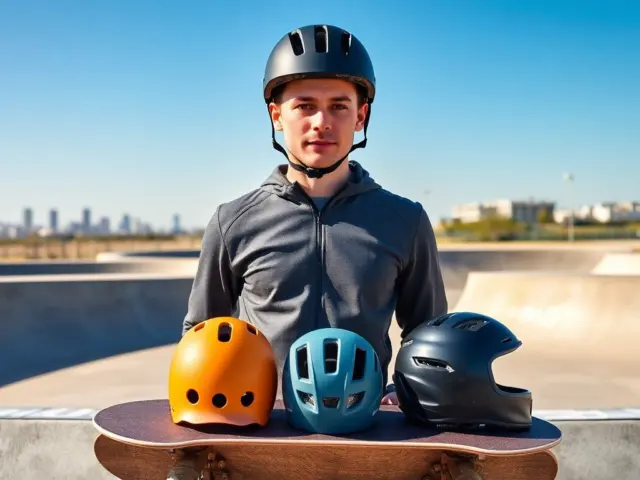
Gear works by covering the body parts that the common injuries hit. Luskin’s guidance is to ensure children wear a helmet and to consider extra protection such as wrist guards, elbow pads and knee pads. The Umeå authors went further and concluded that skateboarders should be required to wear protective gear.
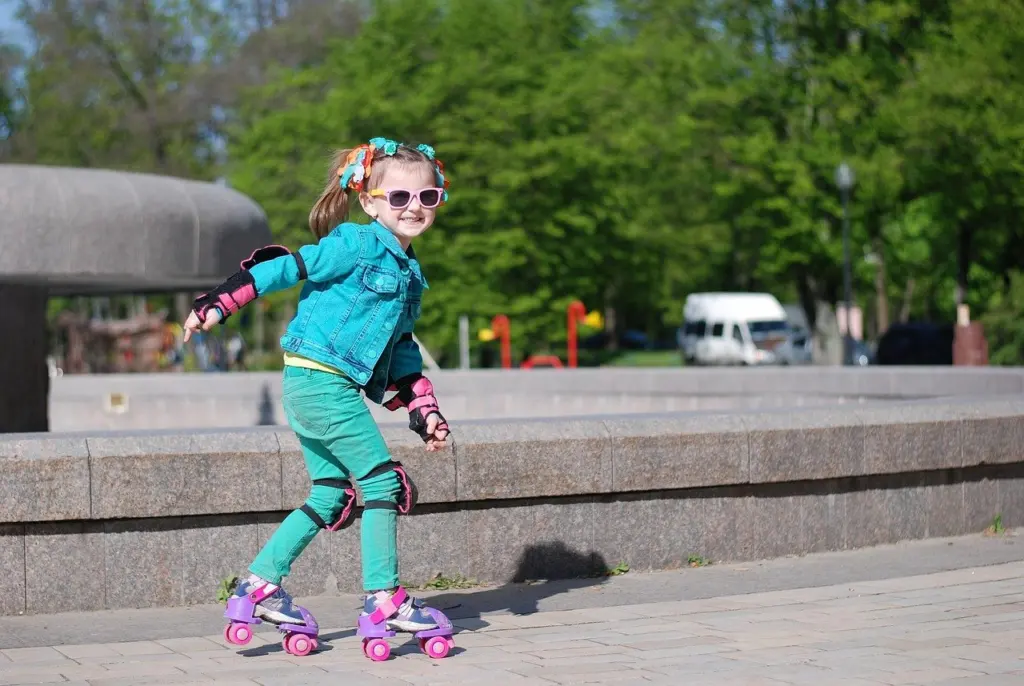
The wrist guards address the wrist-fracture risk, while knee and elbow pads cover the joints that scrape and bruise on contact. A helmet addresses the head, where the outcome of an impact is hardest to judge from the surface. Fit matters as much as the label: a guide aimed at skaters says to always wear a certified skateboard helmet that fits correctly.
A helmet that sits loose or tilts back leaves part of the head exposed, so adjust it before each session. Buying a certified helmet is the first step and making it fit is the second.
Habits that lower the risk
Gear reduces damage once a fall happens, while habits reduce how often falls happen. The evidence points to a few habits that cost little.
- Warm up before skating. Dynamic stretches increase blood flow to the muscles, according to the same skate-shop guide. Spend a few minutes on them before the first push.
- Take extra care in the first week. Luskin reports that skateboarding injuries occur during the first week of learning, so new riders should keep tricks simple and wear all their gear.
- Match supervision to age. Luskin recommends that children under 5 avoid skateboarding altogether.
- Build the ankles and legs. For ankle conditioning, see Ankle Mobility Exercises: 5 Simple Moves To Reduce Pain And Improve Performance (2026 Guide) – Calgaryskateboarding. To understand which muscles take the load, read What Muscles Does Skateboarding Work? The Complete Guide To The Muscles, Benefits, And How To Train Them – Calgaryskateboarding.
None of these habits removes the need for gear. A balanced and warmed-up rider who falls on a bad surface can still be hurt, and the habits and the pads work best together.
Frequently asked questions
| Question | Answer |
|---|---|
| What age should children start skateboarding? | Luskin recommends that children under 5 avoid skateboarding altogether, and a clinic summarising American Academy of Pediatrics guidance says the same, with close adult supervision for ages 6 to 10. |
| Do older riders get different injuries from younger ones? | In the Umeå study, older patients had less severe injuries, mainly sprains and soft tissue injuries. |
| Is a skatepark better than the street? | The Umeå authors concluded that skateboarding should be restricted to supervised skateboard parks with protective gear required. A clinic’s advice is to pick a place away from traffic, ideally a designated skate area. |
| How serious are most skateboard injuries? | Injuries in the Umeå study ranged from minor (AIS 1) to moderate (AIS 2), with fractures classed as moderate. |