Barcelona skate spots attract skaters from across Europe. This expanded guide lists plazas, street lines, waterfront runs, parks, pump tracks, and microspots so you can plan a full skate day. It organizes places by surface and feature, suggests best times to go, outlines warm-up and filming strategies, and gives clear safety and etiquette tips. Use this to choose lines, pack the right gear, and skate respectfully so both visitors and locals get the best experience.
Key Takeaways
- Barcelona skate spots like Plaza de Catalunya and Barceloneta promenade offer diverse surfaces and features ideal for all skill levels.
- Skaters should visit plazas early in the morning or late evening to avoid crowds and police enforcement.
- Waterfront and street spots provide smooth runs and unique street lines, but caution is needed near bike lanes and tram tracks.
- Beginner-friendly parks such as Parc de la Ciutadella offer safe spaces with gentle slopes and microspots for skill-building.
- Respect for local etiquette is crucial: yield to pedestrians, avoid blocking walkways, and seek permission near businesses.
- Packing essentials like a lightweight toolkit, spare bearings, protective gear, and sun protection prepares skaters for a full day at Barcelona skate spots.
Top Skate Plazas To Session — Where To Find The Best Ledges, Stairs, And Banks
Plaza de Catalunya ranks high among Barcelona skate spots for variety and connectivity — it links to several street lines and is easy to use as a hub when hopping between spots. Expect a mix of smooth concrete and different curb heights: warm up on low curbs and mellow ledges before attempting larger gaps or taller stairs. Plaça Sant Jaume offers large open sightlines and cleaner stone that can be good for flip trick practice in quieter hours; it’s best for tech tricks when foot traffic is light. The Universitat area has long granite ledges and predictable stair sets popular with locals for consistent landings and durable surfaces. Note that different stones (granite vs. limestone vs. poured concrete) affect wheel grip and slide — test an obstacle with a few push-throughs first.
When choosing a plaza, look for feature clusters (a set of ledges in line, adjacent stairs, and a bank) so you can link tricks into a run. Check for metal plates, drainage grates, or embedded bolts which can catch wheels or damage bearings. Many plazas are patrolled at specific times; if you notice increased enforcement, shift to another nearby spot or film quickly and discreetly. Teams often use plazas for filming because the sightlines allow multiple camera angles; set up a safe filming area that doesn’t block pedestrians. Practical routine: 10–15 minutes of dynamic warm-up (ankle rolls, easy pushes, manuals), a few warm-up lines at low speed, then incrementally test higher-risk tricks. Bring a compact tool kit, an extra pair of shoes for walking, and a small towel to clean and dry ledges before attempting slides.
Waterfront And Street Spots To Cruise And Trick
The waterfront is one of the most reliable Barcelona skate spots for long, uninterrupted pushes and maintaining speed for longer lines. The Barceloneta promenade offers long stretches of smooth concrete ideal for flow runs, speed checks, and board slides on low banks; the Forum area provides modern plazas with open sightlines and varied banks for bigger lines and filming. Plan routes that link the promenade with adjacent plazas so you can mix cruising with technical features.
In street neighborhoods like Poblenou, look for runs that thread together ledges, gaps, and stair sets among industrial architecture — these areas often have even pavement and fewer tourists during work hours. When planning lines, map out escape routes in case a pedestrian steps into your run and identify safe stopping points off the main route so you don’t block sidewalks. Tram tracks and bike lanes require particular respect: approach tram crossings at a shallow angle to avoid wheel bite, and give cyclists a wide berth. If a route crosses a cycle lane, check both directions and signal your intention to cross to avoid conflicts.
Flow tips: ride with one eye on the next obstacle to keep momentum, conserve speed on slight inclines, and use banks to set up for stair attempts. For filming, mark start and end points so the camera crew isn’t in the way and keep takes efficient. Always carry a mini-toolkit and spare bearings to fix a flat singlehandedly; small repairs can salvage an otherwise short session.
Highlight: Barceloneta Promenade And Forum Area — Lines, Surfaces, And Best Times To Go
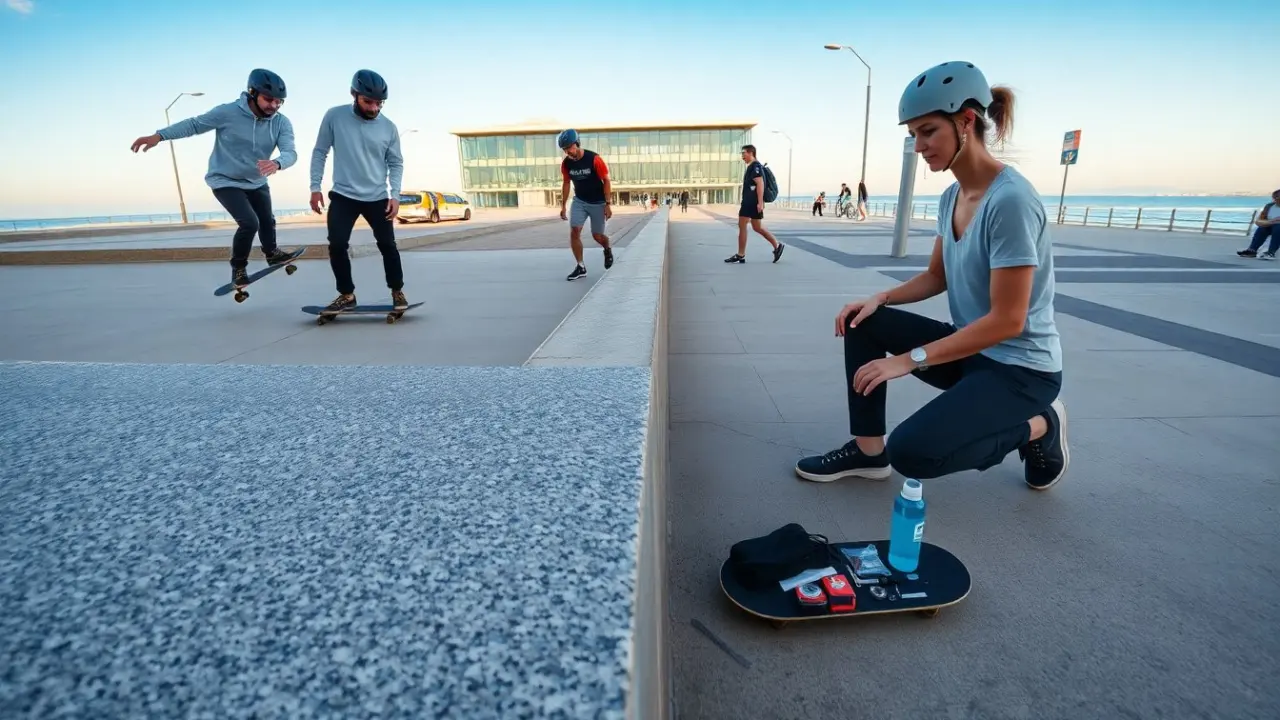
Barceloneta promenade remains one of the top Barcelona skate spots for flow and consistent surface quality. Early mornings (before 9 a.m.) are ideal: fewer pedestrians, softer light for photos, and cooler pavement temperatures in summer. Evenings after 8 p.m. can also work well when the crowd thins and lighting creates attractive conditions for filming. Surfaces alternate between smooth cast concrete and granite patches — scan each block and string together the smoothest sections for longer runs.
The Forum area combines open plazas, sculpted banks, and stepped seating that are useful for both speed runs and building multi-feature lines. Because the Forum is visually open, it’s a good place to test larger lines when you and your crew can stage a safe filming set-up. Be cautious around tram crossings and any embedded metal plates; these can damage wheels and bearings. Keep movement predictable in shared areas: announce when you’ll push through, and avoid sudden stops in high-traffic zones. If a section looks worn or littered, skip it or clean the landing before attempting a trick — a quick sweep with a towel can remove pebbles that cause wheel bite.
Beginner-Friendly Parks, Pump Tracks, And Microspots For Easy Sessions
Parc de la Ciutadella is an excellent starting point among Barcelona skate spots for beginners because it offers gentle slopes, wide paths, and fewer obstacles that might overwhelm a new rider. Use the park loops to work on pushing, turning, and balance; low curbs and wide plazas inside the park are ideal for trying first ollies and manuals without heavy traffic. Mar Bella and other smaller green spaces often contain micro plazas with low ledges and tiny rails perfect for learning trick approach and landing mechanics.
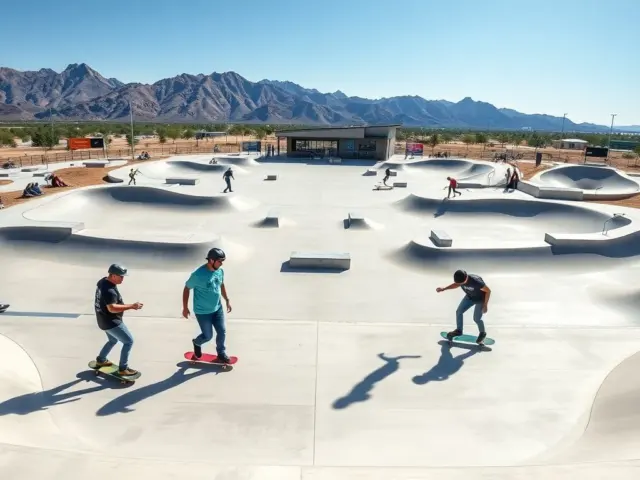
Skateparks in Horta, Sant Martí, and district skate plazas provide bowls and transitions with graduated depths. Begin on the shallow sections to learn pump timing and speed control before moving into deeper bowls. Pump tracks and smaller concrete circuits on the city outskirts let beginners practice carve, pumping, and rolling turns in a low-impact environment. Microspots — small patches of concrete near schools, community centers, or municipal courts — typically have manageable ledges and rails; they’re great for short, focused practice sessions.
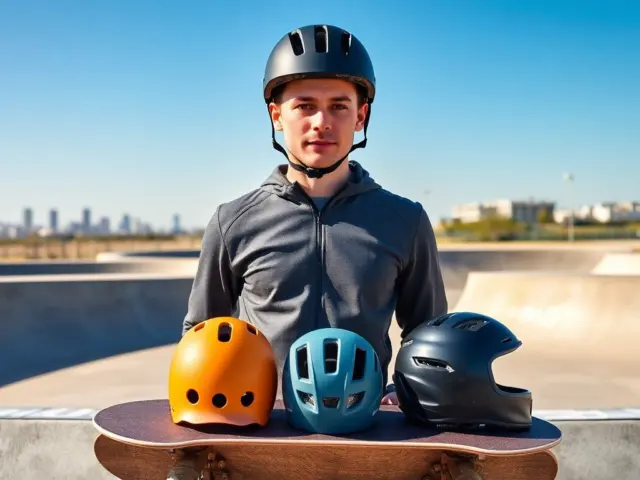
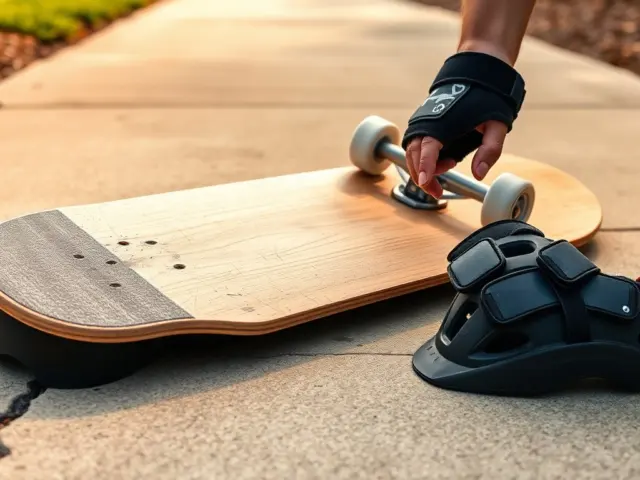
Progress plan: wear full protective gear when starting (helmet, knee and elbow pads, wrist guards), limit sessions to 30–45 minutes with frequent rest breaks, and practice drills (push-and-stop, speed checks, controlled manuals) to build consistent fundamentals. Local skate shops and community boards often publish maps and beginner recommendations — drop in to ask about current conditions and any neighborhood-specific advice. Short, frequent sessions and protective gear will speed up progression while reducing injury risk.
Practical Tips, Local Etiquette, Safety, And What To Pack For A Barcelona Skate Day
Before you set out to explore Barcelona skate spots, prepare to be flexible: weather, surface condition, and enforcement can change daily. Check the forecast for rain (wet stone is slippery) and bring an extra pair of socks and a towel to dry boards and shoes. Pack a compact tool kit (multi-tool, spare kingpin nut, extra hardware), a small bearing pack and a few spacers, and at least one extra set of wheels if you have them. Include a minimalist first aid kit with antiseptic wipes, adhesive bandages, and athletic tape for blisters or minor scrapes.
Safety and etiquette go hand-in-hand. Yield to pedestrians and older people, step off busy paths to let others pass, and avoid blocking shopfronts or access points. When filming or setting up a session, keep equipment to the side, warn passersby, and avoid loud music late at night. If a local asks you to move or stop skating in a particular spot, comply politely — most conflicts can be avoided with a respectful response. Know that enforcement is sometimes complaint-driven; moving to a quieter nearby spot usually resolves the issue.
Practical packing checklist: helmet, lightweight pads, multi-tool, spare bearings/hardware, small pump or skate wrench, sunscreen, reusable water bottle, compact towel, photocopy of ID, and a phone with local transit apps to move between spots quickly. For travel logistics: metros and buses in Barcelona allow small boards (check current transit rules), and many stations have bike parking areas where you can secure your gear. Share useful spots and current conditions with other skaters you meet — mutual help keeps lines safer and sessions more productive. Lastly, adopt a leave-no-trace mindset: take any trash with you, clean up tape or residue, and leave spots as you found them so Barcelona skate spots remain welcoming to everyone.