A skateboard helmet matters for every rider. A skateboard helmet reduces head injury risk in falls. It absorbs impact energy and spreads force. It also keeps a rider legal at many parks and events. Riders should choose a helmet that fits and that meets safety standards. The rest of this guide explains why a helmet matters, the helmet types, certifications to check, and how to fit and care for one.
Key Takeaways
- A skateboard helmet significantly reduces the risk of serious head injuries by absorbing impact and spreading force during falls.
- Choosing a helmet that fits properly and meets safety certifications like CPSC or ASTM ensures reliable protection and legal compliance.
- Different helmet types, including classic skate, bike-style, and full-face helmets, cater to various riding styles and safety needs.
- Hard-shell helmets offer durability and resistance to repeated impacts, while lightweight in-mold helmets provide comfort and ventilation for casual riders.
- Proper helmet fit involves the helmet sitting level, snug chin strap, and correct strap positioning for maximum safety.
- Regularly inspect helmets for damage, replace after any hard impact or every five years, and avoid buying secondhand helmets without a known history to maintain protection.
Why A Skateboard Helmet Matters — Risks, Benefits, And When To Wear One
A skateboard helmet prevents direct skull impact in most falls. A helmet reduces force that reaches the brain. It lowers the chance of skull fracture and severe brain injury. Studies show helmets cut head injury rates in sports and cycling. Skateboarding has slips, collisions, and hard landings. Each of these events can cause dangerous head impact.
A helmet also gives a rider confidence. Confidence can help a rider try new moves safely. A helmet does not prevent all injuries. A helmet does not guarantee full protection in high-speed crashes. Riders should still practice safe speed, clear lines, and proper technique.
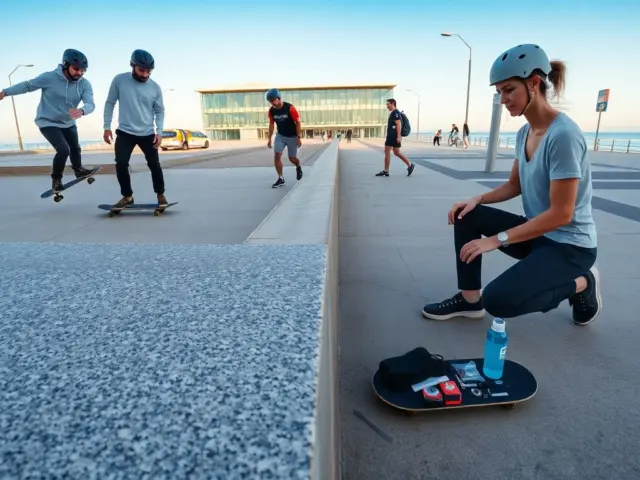
People should wear a skateboard helmet for street skating, park sessions, ramps, and commuting. Parents should require helmets for children and teens. Event organizers and parks often require helmets. Riders should wear a helmet for any session that carries risk.
Types Of Skateboard Helmets
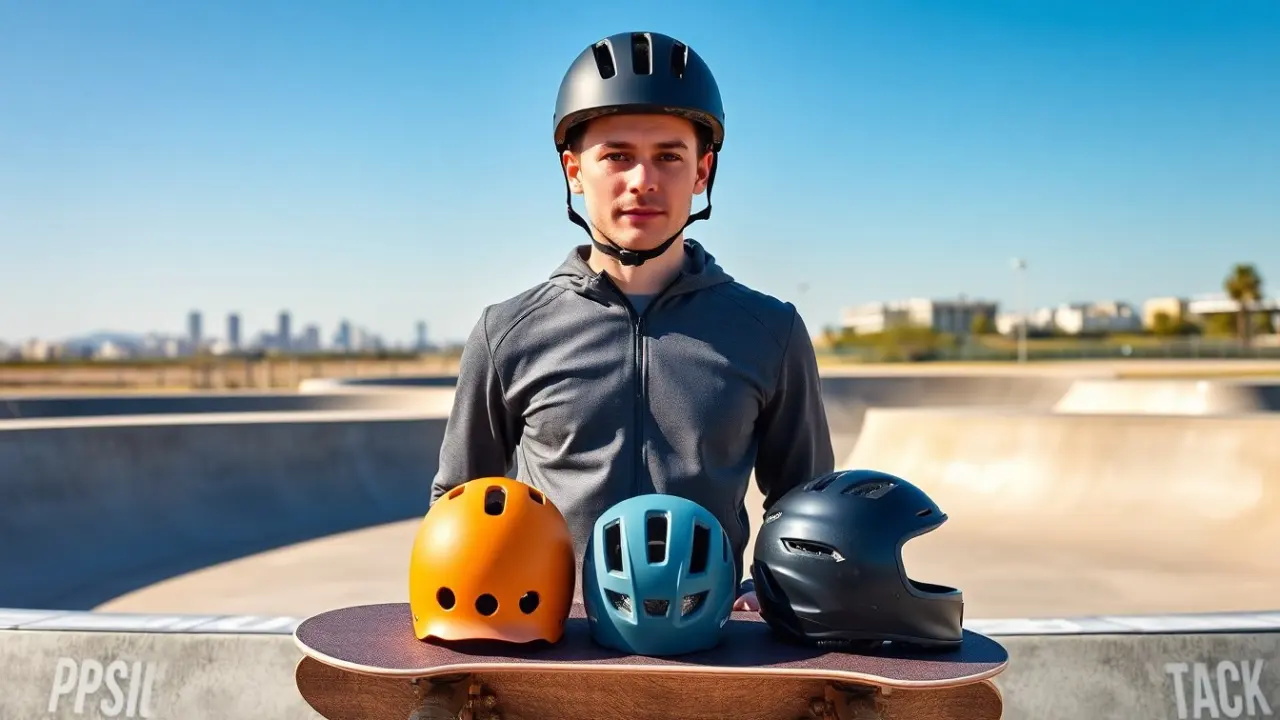
Skateboard helmets come in several forms. Each form suits a different riding style and risk level.
Classic skate helmets look round and cover the back of the head. They offer thick foam and a hard outer shell. They work well for street and park riders. They spread impact across a larger surface.
Bike-style helmets offer more ventilation and an aerodynamic shape. They often reduce weight and increase airflow. They fit well for long commutes and downhill skating.
Full-face helmets add chin protection. They suit downhill and high-speed riders. They add weight and restrict airflow more than open-face helmets.
Lightweight in-mold helmets focus on low weight and comfort. They work for casual riders who want longer sessions without neck strain.
Riders should match helmet type to riding style, speed, and tolerance for weight and ventilation.
Hard‑Shell Versus In‑Mold Helmets: Pros, Cons, And Best Uses
Hard-shell helmets use a thick foam liner under a durable outer shell. They resist repeated scraping and impact. They last longer under rough use. They often weigh more. Hard-shell helmets suit street and park riders who fall and slide often.
In-mold helmets fuse the shell and foam. They weigh less and fit close to the head. They offer better ventilation and comfort. They can show damage after a single strong impact. Riders should replace in-mold helmets after a hard crash.
A rider who wants durability should choose hard-shell. A rider who values light weight and airflow should choose in-mold. Both types can meet safety standards when made correctly.
Safety Certifications To Look For (CPSC, ASTM, EN) And What They Mean
Riders should check for recognized safety marks. CPSC certification applies to bicycle helmets sold in the U.S. Many skateboard helmets meet CPSC. ASTM F1492 covers helmets for skateboarding and trick riding. EN 1078 applies in Europe for cycling and skating.
A helmet with CPSC or ASTM labels passed impact and retention tests. The tests measure foam performance, shell integrity, and strap strength. A certified helmet reduces the chance of failure in real crashes.
Manufacturers should list the standard on a sticker inside the helmet. Buyers should check the label before purchase. If a helmet lacks certification, the buyer should avoid it. A certified helmet gives measurable protection that uncertified products do not.
How To Fit, Maintain, And Replace Your Skateboard Helmet
Fit matters more than brand. A helmet should sit level on the head. It should cover the forehead without tilting back. A rider should fasten the chin strap and then open the mouth wide. The helmet should stay snug while the rider opens the mouth.
Side straps should form a small V under each ear. The buckle should rest under the ear, not on it. The rider should be able to slide one or two fingers between the strap and the chin.
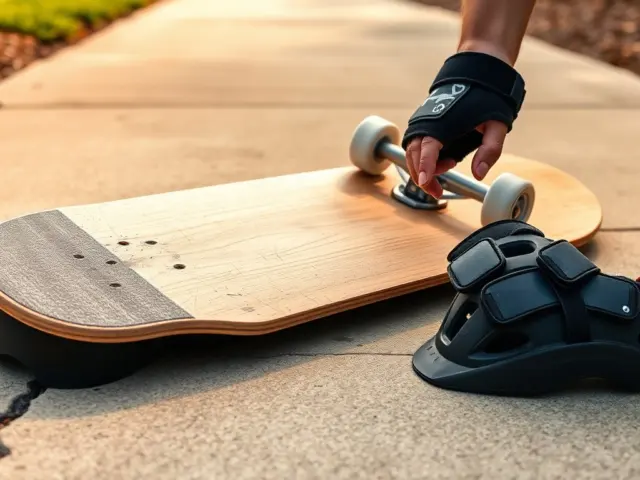
A rider should inspect a helmet before each session. Check for cracks, dents, torn liners, and frayed straps. Replace a helmet after any hard impact. Even if the foam looks intact, internal damage can compromise protection.
A rider should replace a helmet every five years if no impact occurred. Heat and UV can weaken materials, so store the helmet out of direct sun. Clean the helmet with mild soap and water. Do not use strong solvents or heat sources.
If a rider buys a secondhand helmet, they should ask about its history. If the history is unknown or if the helmet showed any crash signs, they should not buy it.
A well-fitted and well-maintained skateboard helmet gives clear protection. Riders who follow fit and care steps get the best value from their helmets.