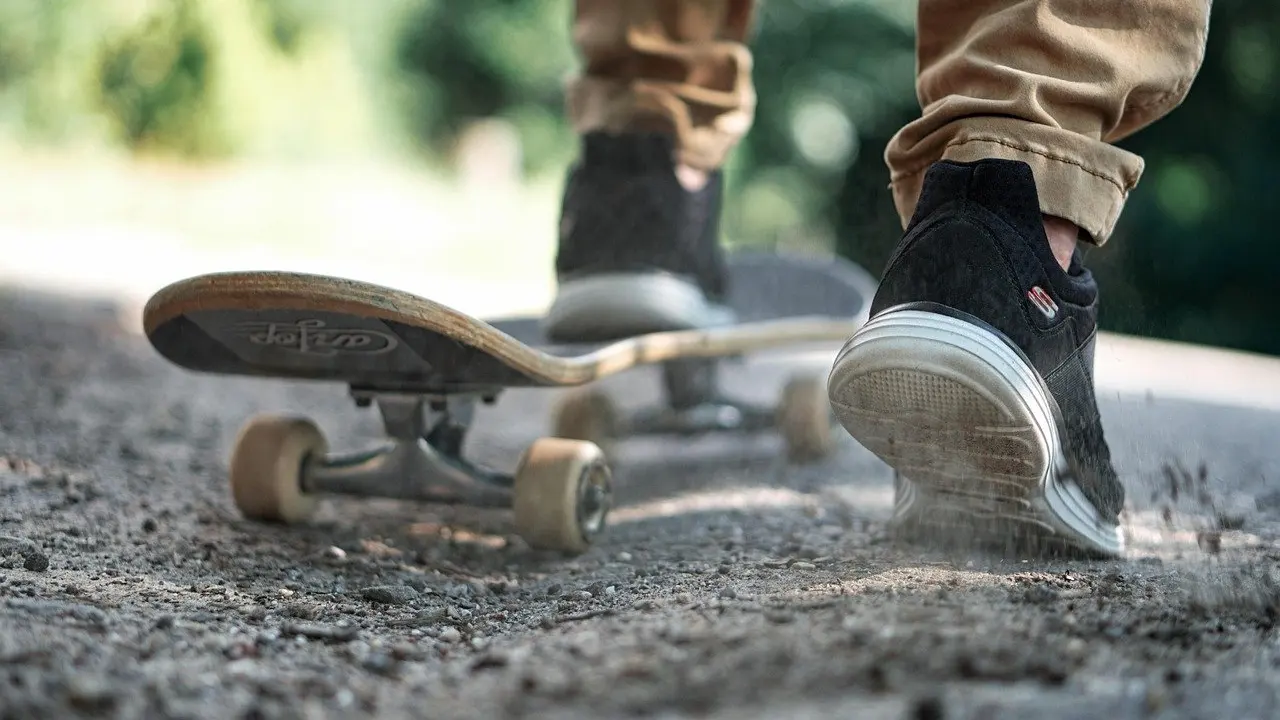
Heels aching after a session and eyeing chunky skate shoes? They are good for skating if you value cushioning and durability over maximum board feel, because thick soles trade some feel for protection.
Beginners deciding what to buy before booking skateboard lessons calgary can use the trade-offs below to narrow the choice. The right pair depends on how much impact you want to absorb and how much feel you need under your feet.
Board feel versus cushioning
The common assumption is that a chunky shoe is a clumsy shoe. The evidence points to a trade-off rather than a verdict. CCS describes shoe choice as a constant balancing act between foot protection and flexibility. At one end you get lots of padding and a thick insole. At the other you get a thin, malleable shoe for more precise control. Skate Warehouse frames the buying goal the same way: find shoes that fit your skating style while offering solid board feel and impact protection.
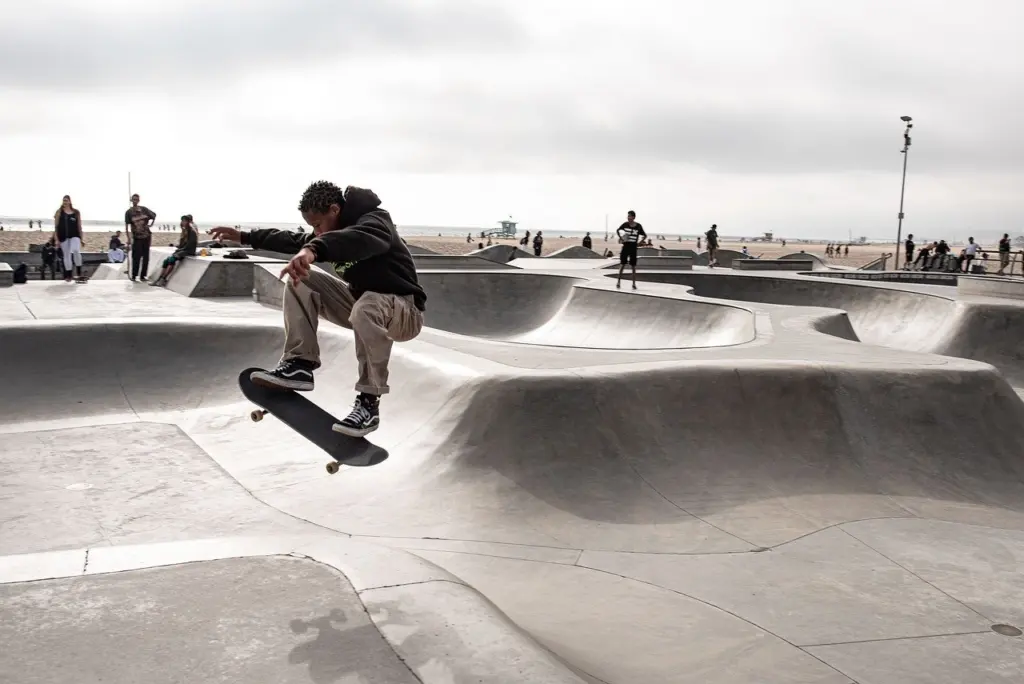
Both ends of the range carry a cost. A cupsole, the thicker construction behind most chunky skate shoes, comes at the cost of reduced board feel and a longer break-in. Going very thin is not free either. One reviewer called the Etnies RCT’s sole great for board feel but too painful to skate in.
Silhouette is also a poor guide to feel. The same reviewer found the Adidas Suciu ADV’s sole very thin, so it skates like a vulcanized shoe despite a thick insole. Judge a shoe by its sole construction and by how it feels under your feet, not by how bulky it looks in photos.
So chunky skate shoes do not hurt board feel enough to rule them out. They dull it by some amount, and the question is whether the protection you gain is worth that amount to you.
Cupsole and vulcanized soles side by side
Most of the confusion about chunky skate shoes comes from mixing up sole construction and sole thickness. A cupsole is a single-piece rubber sole, which is what gives it durability and heel support. A vulcanized shoe has a slimmer, more flexible build. This table sets the two against each other on the criteria that matter for skating.
| Construction | Board feel | Break-in | Durability and support | Planning use |
|---|---|---|---|---|
| Cupsole | Reduced compared with slimmer builds | Takes longer | More durable, with better heel support | Suits skaters who want heel support and a longer-lasting shoe and can live with less feel |
| Vulcanized | Last Resort’s VM001 is described as having excellent board feel and grip | Faster | Less built-in cushioning, so a good insole is needed | Suits skaters who put precision first and are willing to add cushioning themselves |
Construction details here come from Booroo and Tigger Too’s skate shoe guide and the Last Resort VM001 description in Skate Warehouse’s shoe roundup.
A cupsole is not automatically a numb one. Skate Warehouse lists the Adidas Glenburn as a slim cupsole built for a balance of impact protection and responsive boardfeel. That is the middle path to look for if you want protection without the bulkiest feel.
Models and brands to compare
Brands approach the chunky look differently, so compare models by construction and cushioning type, which is what the descriptions below specify. Each is a starting point for a try-on, not a ranking.
- Emerica OG-1 reissue. Dose Skateboarding describes a full rubber cupsole, a suede and mesh upper and triple stitch reinforcements for extra durability. It suits skaters who want the classic bulky look with a tough build.
- Adidas Busenitz. Skate Warehouse points to cupsole construction for impact protection and a long-lasting structure.
- Adidas Glenburn. A slim cupsole that aims to balance protection and feel, as covered above.
- Nike SB Dunk. Cushioning comes from a Zoom Air unit in the heel for responsive impact protection. This suits skaters whose main concern is heel impact.
- Nike SB Blazer Low Pro GT. A Nike Zoom Unit in the heel gives low-profile impact protection and support. It suits those who want cushioning without a tall sole.
- Es Accel OG. A 400 NBS gum rubber outsole, which the retailer says is meant to last longer.
- New Balance Numeric 379. The opposite end: a slim vulcanized shoe with very little padding. Consider it if chunky shoes dull your feel too much.
How long chunky skate shoes last
Cupsoles have a durability edge on paper. Booroo and Tigger Too says their single-piece rubber sole makes them more durable and gives better heel support. Skate shoe makers also have a long habit of building for wear. CCS notes that Etnies, Osiris and DVS focused on durability in the toe and outer foot, the areas that take the most abuse.
Real wear life still varies a lot. Skater reviews on Nullozine Jr give day counts for different shoes:
- Short lives. Reviewers reported that Lakai Carlo lasted six skate days, Lakai Brea 11 skate days and Emerica Liverpool 12 skate days. A reviewer wore through the Emerica Westgate CC to the insole in 9 days.
- A long life. The same reviewer said the PJ Stratford 533 was grippier and more durable than the 479 and lasted over a month of skating every day.
These are individual reviewers’ experiences, not lab measurements, and they do not say how thick each sole was. They show that a shoe’s wear life depends on the specific model and how hard you skate, not on a promise that chunky means long-lasting. Read the reviewer notes for the model you are considering before paying for a bulky pair on durability alone.
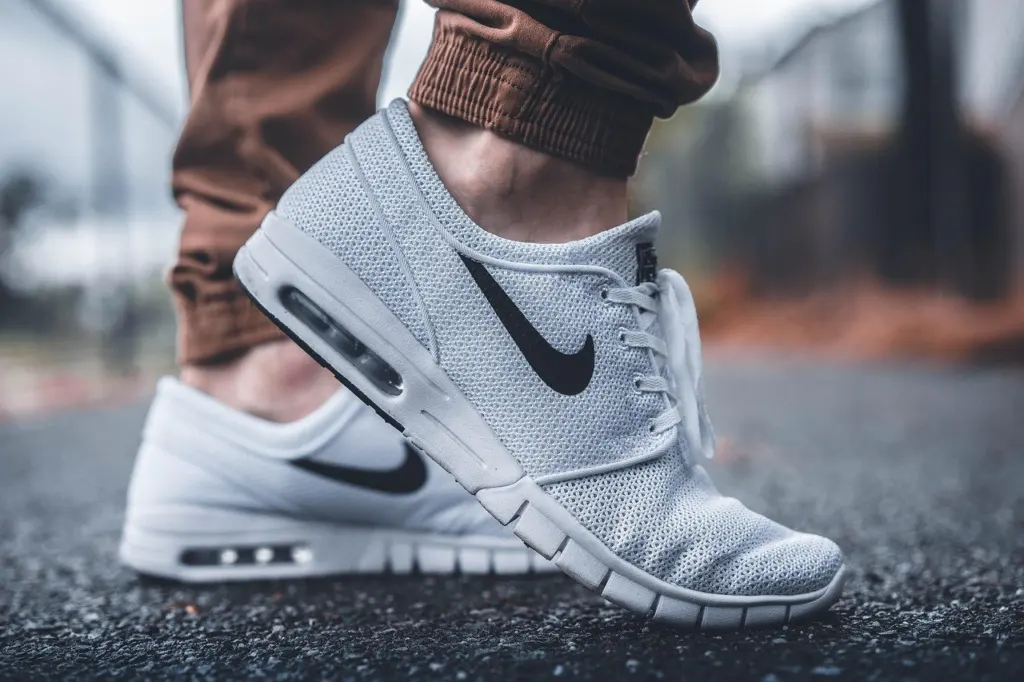
At the most basic level, CCS says a skate shoe needs a durable upper and a grippy rubber outsole. Check both before looking at anything else.
Matching chunky shoes to how you skate
Skating is hard on the feet, so extra cushioning has a real use. A park or stair session full of hard landings favours a padded cupsole or a heel unit such as Zoom Air. If you value precise control for technical tricks, a slimmer cupsole like the Glenburn or a vulcanized shoe will feel better. Pair a vulcanized shoe with a good insole to make up for its thin padding.
Shoes are only one layer of protection. Board type changes how a shoe feels too, as Longboard vs Skateboard: How To Choose The Right Board In 2026 (Speed, Style, And Skill) – Calgaryskateboarding explains. For protection beyond footwear, see Skateboard Safety Gear: The Practical Guide To Staying Safe While Riding In 2026 – Calgaryskateboarding.
Whatever you choose, expect to spend time breaking in a cupsole before it feels natural, and try shoes with the board under your feet rather than judging them standing still.
Frequently asked questions
| Question | Answer |
|---|---|
| Where did chunky skate shoes come from? | Skate shoes in the 1990s had thick, padded soles and sturdy ankle support. Reissues such as the Emerica OG-1 have brought that bulkier build back. |
| Do I need extra cushioning if my shoes are not chunky? | Skating is hard on your feet, and Booroo and Tigger Too suggests foam or gel insoles for added comfort. This matters most with slimmer shoes. |
| What does a skate shoe need at minimum? | CCS says a durable upper design and a grippy rubber outsole are the basic requirements, whatever the sole thickness. |