Skateboard safety gear must sit at the top of every rider’s checklist. This guide explains which skateboard safety gear reduces injuries, how riders fit each item, and how to care for gear so it keeps protecting. The article uses clear steps and plain facts. It helps riders choose and use skateboard safety gear with confidence and fewer surprises.
Key Takeaways
- Skateboard safety gear, especially helmets and wrist guards, significantly reduces the risk of common injuries like head trauma and wrist fractures.
- Proper fitting of helmets, wrist guards, knee and elbow pads, and shoes is crucial to ensure effective protection and comfort during rides.
- Riders should maintain their gear regularly by cleaning, inspecting for damage, and following recommended replacement schedules to keep safety levels high.
- Choosing gear from reputable brands with proper safety certifications and prioritizing fit over style enhances injury prevention.
- Incorporating safe riding habits and confidence-building through regular practice complements all skateboard safety gear to reduce injury risks.
Why Skateboard Safety Gear Matters — Risks, Common Injuries, And Evidence It Works
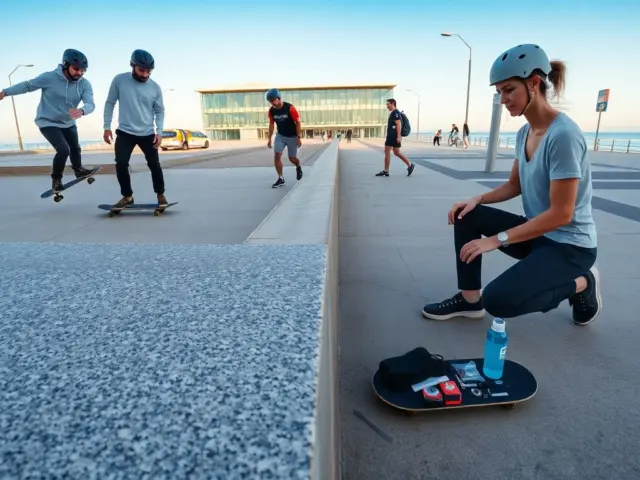
Skateboard safety gear reduces injury risk for riders. Studies show helmets cut head injury rates significantly. Wrist guards lower wrist fractures in falls onto hands. Pads lessen cuts and bruises on knees and elbows. Riders who wear skateboard safety gear face fewer hospital visits after common crashes.
Skateboard falls often involve forward or backward momentum. Riders fall on hands, knees, or directly on the head. Younger riders face more wrist and elbow injuries. Street riders face higher impact speeds and different hazards than park riders. These differences affect which skateboard safety gear each rider should prioritize.
Emergency room data shows helmets lower traumatic brain injury rates. Researchers report wrist guard use reduces distal radius fractures. These findings support simple choices: wear a helmet and wrist protection, and use pads for slides and awkward falls.
Skateboard safety gear also improves rider confidence. Confident riders try new moves while keeping safer form. That confidence can shorten the learning curve and reduce repeated risky positions. Riders should see gear as active risk reduction. They should not treat gear as a license for reckless behavior.
Essential Safety Gear And How To Fit It Correctly (Helmet, Wrist Guards, Knee & Elbow Pads, Shoes)
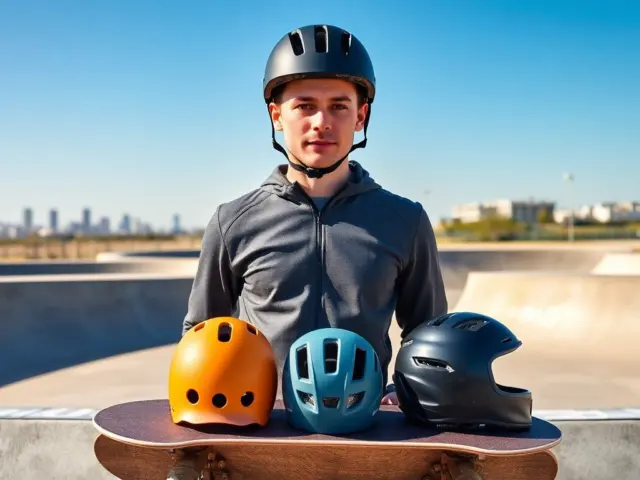
Helmet: Choose a helmet labeled for skate or multi-sport use. A certified helmet must sit level on the head. The front edge must sit about one to two finger widths above the eyebrows. Straps should form a V under each ear. Fasten the chin strap so two fingers fit under it. Replace a helmet after any impact.
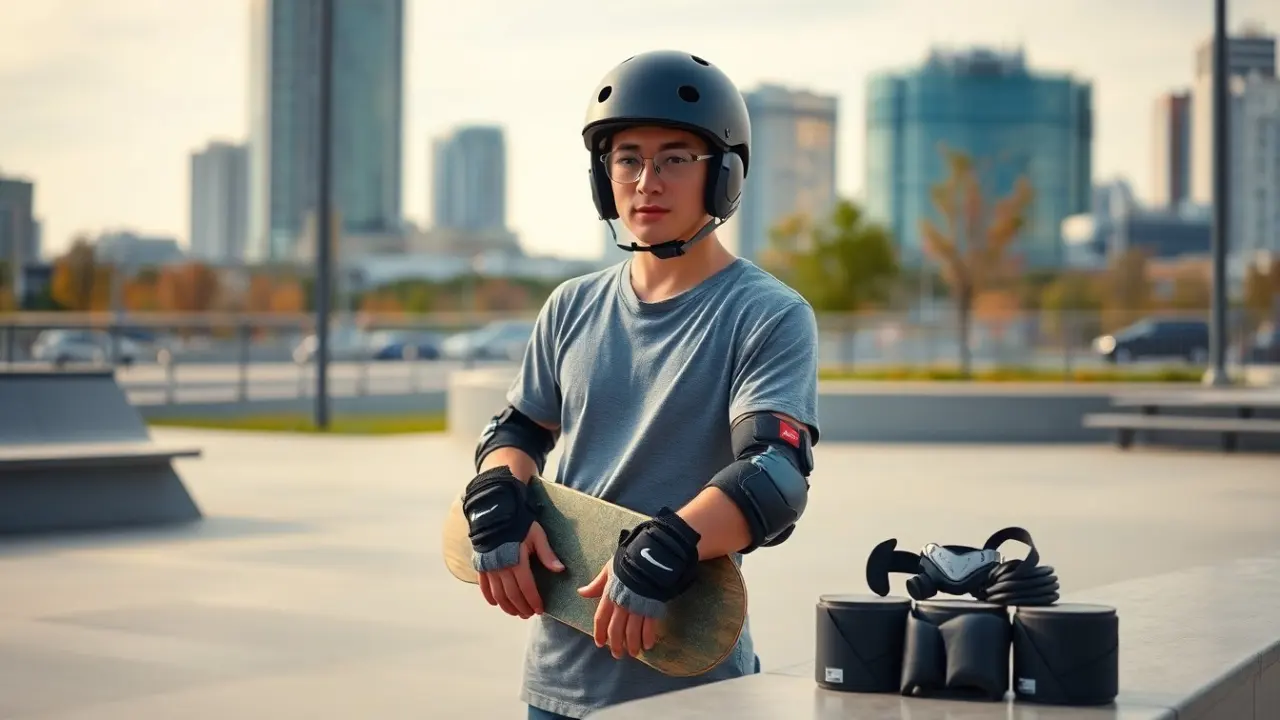
Wrist guards: Pick guards with hard splints on the palm side and firm straps. Slide the hand into the guard so the splint covers the lower palm and extends past the wrist joint. Tighten straps so the guard stays snug without cutting circulation. Test the fit by bending the wrist gently. If the guard slips, tighten or try a different size.
Knee and elbow pads: Select pads with hard caps and dense foam. Slide the pad over the joint so the cap centers on the kneecap or the elbow point. Secure straps evenly. Pads should allow full joint bending without slipping down. If the pad shifts during a squat or fall test, adjust or change size.
Shoes: Wear flat-soled shoes with good board feel and grip. Low-profile shoes help control the deck. Replace shoes when soles wear thin or tread patterns smooth out. Worn shoes reduce traction and increase the chance of foot slips.
Additional items: Mouthguards protect teeth during high-impact falls. Padded shorts help reduce tailbone and hip injuries. Riders should add these items based on skill level and riding style.
Choosing, Caring, And Replacing Gear — Buying Tips, Maintenance, And Safe Riding Habits
Choosing gear: Buy gear from reputable brands that list sizes and safety ratings. Read product labels for standard compliance. Try gear in person when possible. If buying online, check return policies and size charts. Prioritize fit over style. Well-fitting skateboard safety gear performs better.
Maintenance: Clean pads and guards with mild soap and water. Air-dry gear away from direct heat. Remove liners from helmets only if the manufacturer allows it. Inspect every item before each ride. Look for cracked shells, compressed foam, loose straps, or torn fabric. Keep a simple maintenance log or use a phone reminder to inspect gear monthly.
Replacement schedule: Replace helmets after any crash or after five years of use. Replace pads and guards every one to three years depending on use and visible wear. Replace shoes when tread loss changes foot placement or grip. Replace straps and buckles if they fray or lose tension. Do not try to repair a cracked helmet shell with glue or tape.
Buying tips: Try multiple helmet shapes to find the best fit for head shape. Look for helmets with multi-impact foam if budget allows. For wrist guards, test models with different splint lengths. For pads, try on with the clothing riders usually wear. Shop sales but avoid old or discontinued models that lack current safety claims.
Riding habits: Warm up before attempting tricks. Scan the riding area for cracks, gravel, vehicles, and pedestrians. Communicate with other riders and yield when needed. Practice falling safely by rolling when possible and using wrists and forearms to absorb impact with pads on. Riders should pair consistent gear use with steady skills practice. That habit keeps skateboard safety gear effective over time.