Your usual size fits in length, yet the sides of the shoe press and the toes feel pinched. That pattern points to wide skate shoes: measure the widest part of the foot first, then shop by shape, not by a bigger size.
Shoes are one of the first gear decisions for anyone planning skateboard lessons calgary, and a measured fit saves a return later. The sections below take the common fit myths in turn, then name models worth checking.
Sizing up versus choosing a wider shape
The most common fix for tight sides is to buy a bigger size. A bigger size adds length, not width. A footwear shopping guide on wide-foot fit notes that sizing up increases length, which can cause heel slippage and blisters. For a skater, a loose heel is a problem on its own, because the foot slides inside the shoe on landings.
The better route is to fix the shape of the shoe rather than its length. The table contrasts the three approaches that come up most.
| Approach | What it does | Planning use |
|---|---|---|
| Sizing up | Adds length; can cause heel slippage and blisters | Treat as a last resort, not the first fix for tight sides |
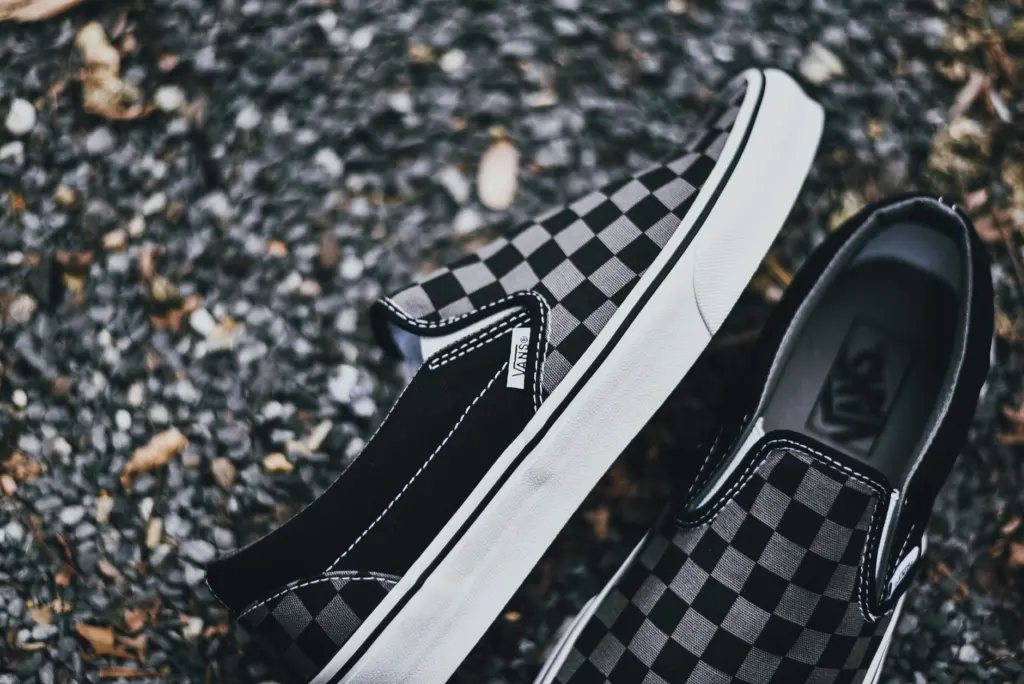
| Foot-shaped toe box | The Splay REV skate shoe is marketed with barefoot board feel, a foot-shaped toe box and zero drop | Shortlist shoes built around a roomier forefoot, then confirm the fit in person |
| Low-profile tongue | Preserves internal volume rather than relying on a bigger size | Compare tongue thickness when two models otherwise look alike |
The sizing details come from the shopping guide and the shoe description from Splay’s REV product page.
Shoes with a naturally roomy toe box are the main answer for most wide feet. The toe box is the front section that houses the toes and forefoot, so it decides whether the widest part of the foot has space.
Measuring foot width before you buy
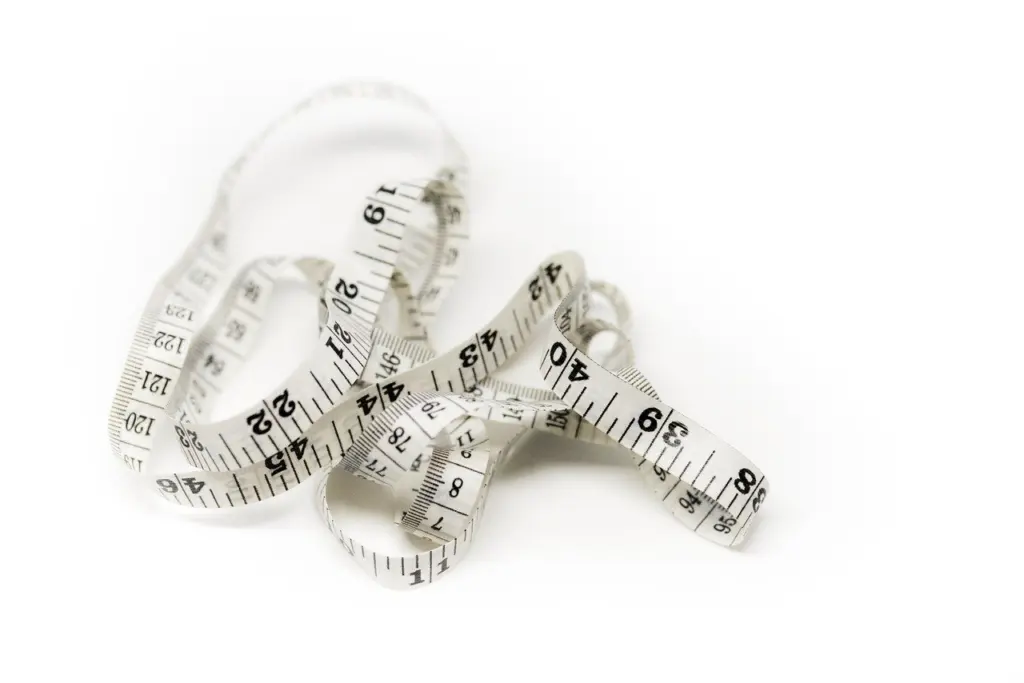
A width label on a box means little until you know your own measurement. The measure-first method relies on metatarsal girth, which is the circumference around the widest part of the foot. The same guide recommends comparing that girth against foot length to identify a wide-foot ratio before buying.
- Wrap the tape. Run a flexible tape around the widest part of the foot and note the reading.
- Record length. Take the length of the same foot.
- Compare the two. A girth that is large for the length is the wide-foot ratio, and it tells you a standard last will probably squeeze the forefoot.
- Check the maker’s guide. Match your numbers against the size guide of each brand you are considering, since fit varies between makers.
If your length fits but the shoe presses at the widest part of the foot, the ratio is the likely cause, and you need wide skate shoes or a foot-shaped toe box rather than extra length. Measure before you browse so that every listing can be judged against a number you trust.
Brands and models to check
No brand fits every wide foot, so treat this as a shortlist to try, not a guarantee. A skate retailer’s shoe collection stocks Etnies, Emerica, eS, New Balance, Lakai and more.
- New Balance Numeric 480 Wide. This is the clearest example of a skate shoe with a wide option named in its listing, priced at $104.95 USD when checked. Start here if you want a width stated in the model name.
- Splay REV LTS Carlsbad. Listed at $94.00 USD in 6 colors, and sold on the REV skate shoe page with a foot-shaped toe box. This is a shape-led option, not a labelled width.
- Splay REV HTS Carlsbad. Listed at $99.00 USD in 5 colors on the same page, with the same foot-shaped toe box description.
- Etnies, Emerica, eS and Lakai. These are stocked by the same retailer. Read each maker’s size guide for width options before ordering, because a stocked brand does not mean a wide size exists.
Brands whose lasts, the foot-shaped moulds shoes are built on, follow narrower averages are the usual reason standard shoes feel tight. If you prefer more ankle coverage, the High-Top Skate Shoes: The Complete 2026 Buyer’s Guide To Style, Support, And Performance – Calgaryskateboarding compares styles that may also suit a broad forefoot.
Construction and upper material
Width is not the only thing that changes how a shoe wears on a wide foot. The way the sole is built and the upper material decide how quickly the shoe settles around a broad forefoot.
- Vulcanized construction. According to the retailer’s construction notes, a vulcanized shoe has a thinner sole, is more flexible and breaks in quickly, but gives less impact protection. It suits skaters who want board feel and a fast settle-in.
- Cupsole construction. A cupsole has a thicker sole with foam or gel cushioning, more support, better impact protection and a longer break-in. Choose it if landings are your priority and you can tolerate a slower break-in.
- Skate features. Skate shoes typically include reinforced ollie areas, gum rubber outsoles and impact protection, so check that a wide model keeps them.
Stretching and break-in
Skate shoes can give a little, but how much depends on the upper. The shopping guide explains that suede is generally more forgiving than canvas because its fibrous structure allows microscopic displacement, whereas canvas, with its tight woven structure, restricts lateral expansion.
For a wide foot, that means a canvas shoe that is tight across the forefoot is unlikely to loosen enough to fix the problem. A suede upper has more room to adapt, but it only softens a snug fit and cannot rescue a shoe of the wrong shape. If the shoe is too narrow in the toe box, choose a different shape instead.
Buying and returning
A measure-first purchase still needs a safety net. Before ordering, check the retailer’s return window and whether you pay for return shipping, then wear the shoes indoors on a clean floor so they can still be sent back. The guide’s test is simple: if the shoes hurt significantly after three wears, they are likely the wrong shape for your foot, not merely stiff.
Order the shoe whose listing matches your measurement, and keep the others in mind as fallbacks, rather than buying several sizes at once. When you add other protective gear to the same order, the Skateboard Helmet Guide: How To Choose, Fit, And Care For Safer Riding In 2026 – Calgaryskateboarding covers fit checks for your head.
Frequently asked questions
| Question | Answer |
|---|---|
| Why do many skate shoes feel narrow? | Many brand lasts are based on narrower European or American foot averages, so a broad forefoot can outgrow the standard shape. |
| Do thick insoles or extra padding help a wide foot? | Usually not. Excessive padding eats up the already limited width inside the shoe, and a thick orthotic insole reduces vertical volume, which can make a wide foot feel more cramped. |
| How long does suede take to mold to the foot? | Suede may take a few days of casual wear to mold to your foot shape. |
| Is the Splay REV a wide shoe? | Its product page markets a foot-shaped toe box and zero drop, which describes the shape rather than a labelled width. Compare your measurement with the brand’s size guide before ordering. |