| Item | What the evidence supports | Planning use |
|---|---|---|
| Helmet | Described as a non-negotiable part of skateboarding safety; it should protect the back of the head, and a full-face style is optional | Buy it first, before any other gear or clothing upgrade |
| Knee and elbow pads | Act as a barrier between hard surfaces and vulnerable joints | Add them next, especially while falls are frequent |
| Wrist guards | Shield the wrists from the brunt of a fall | Worth wearing while you are learning and landing on your hands |
| Skate shoes | Built for the demands of skating, with flat soles that give maximum contact with the board | Choose these over regular sneakers |
| Pants or shorts | Loose enough for free movement but not so loose they fall down or get in the way; denim or sturdy cotton withstands falls | Pick for movement first, durability second |
| Tops | Loose, breathable T-shirts and tank tops are staples; long sleeves add protection against scrapes | Go short-sleeved for warm sessions and long-sleeved when you want scrape cover |
| Layers | Base layer, midlayer and outerwear, with a shell for rain, snow and sleet | Build upward from a breathable base on cold Calgary days |
These points come from Veymax’s skateboarding clothing guide and Arc’teryx’s layering advice.
What to wear when skateboarding comes down to a helmet, flat-soled skate shoes and clothes that let you bend and push freely; add pads and removable layers as the Calgary weather demands.
Beginners putting together a first setup can also look at skateboard lessons calgary for help getting started on a board.
Protective gear: what each piece does for you
Protection is the part of the outfit that changes the outcome of a fall, so it deserves the budget before fashion does. Skateboarding has no strict uniform, and Veymax notes it is far more relaxed than most sports. That freedom does not extend to protection.
Helmet
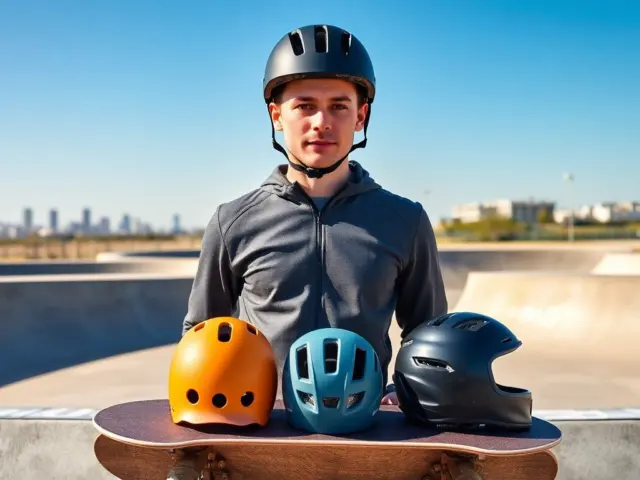
Veymax calls the helmet a non-negotiable element of skateboarding safety. Coverage matters more than style: whichever helmet you choose, it should protect the back of your head, the area that takes the hit when you slip out backwards. A full-face helmet is optional rather than required.
Knee and elbow pads
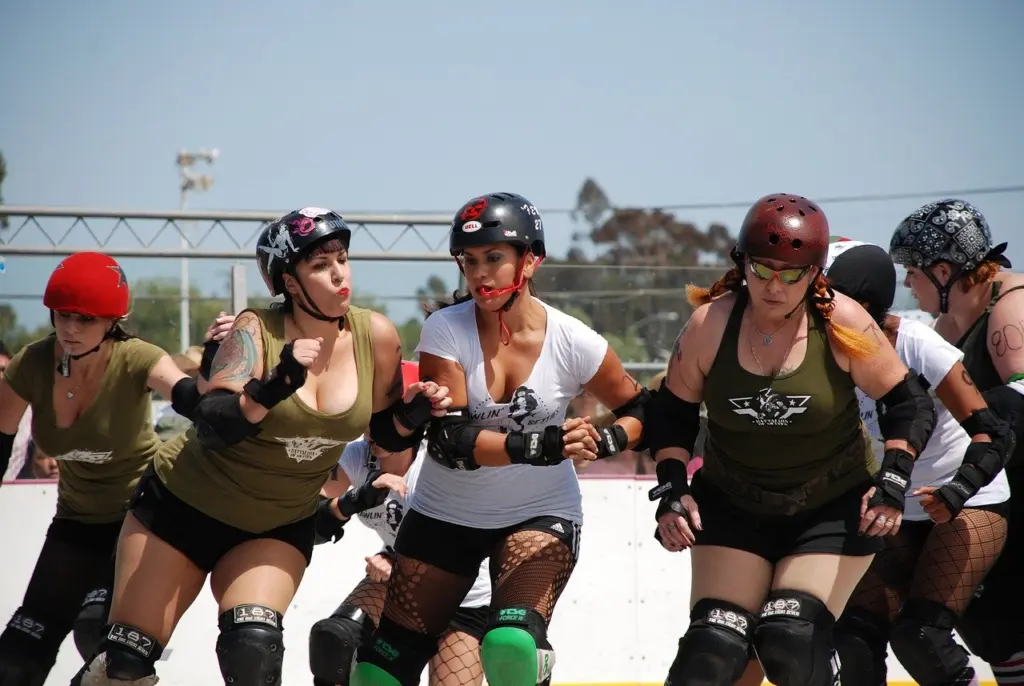
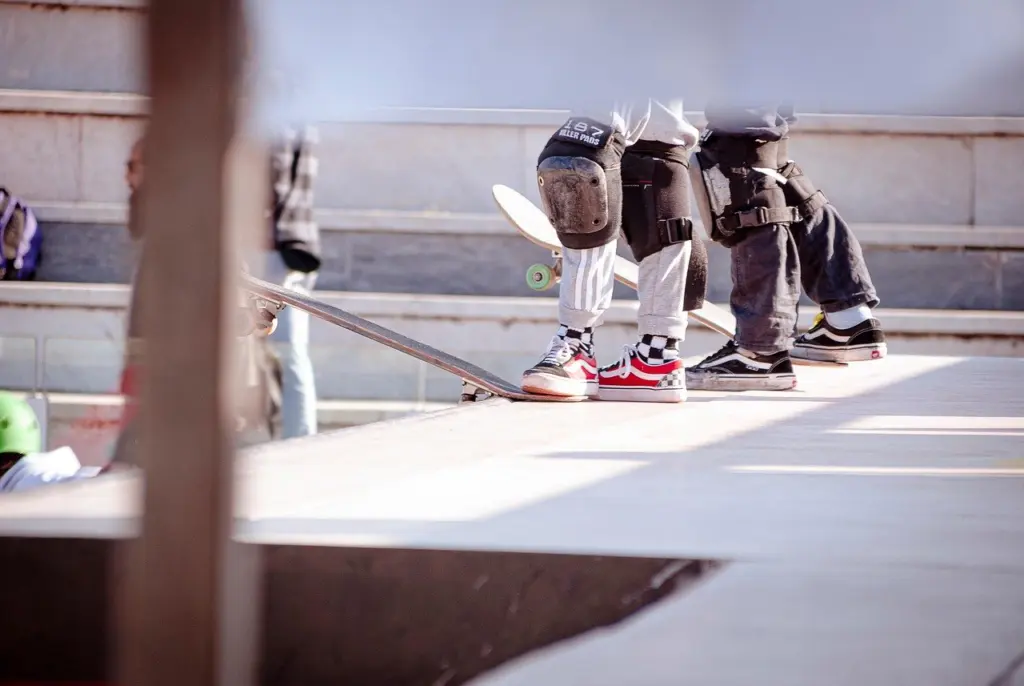
Pads work as a protective barrier between hard surfaces and vulnerable joints. Choose pads you will actually keep on. The best set is the one that stays strapped in place through a whole session, not the one left in the bag because it felt awkward.
Wrist guards
Wrist guards shield your wrists from the brunt of a fall. Falling onto outstretched hands is a common reflex for new riders, which makes guards a sensible early purchase.
Choosing what to buy first
- Tight budget: buy the helmet first, because it is the one piece described as non-negotiable.
- Learning basics: add wrist guards and knee pads next, since early falls tend to land on hands and knees.
- Comfort worries: try pads on before buying and favour ones you will not want to remove partway through a session.
- Elbow pads: a sensible add-on once the core protection is sorted, and they follow the same barrier logic as knee pads.
Clothing that moves with you
Skateboarding clothes need to let you crouch, push and twist without restriction. A learner’s account at Skatewives puts it simply: you need to bend your knees, push yourself around and move freely. Any outfit that fails that test is the wrong outfit, whatever it looks like.
Tops
Loose-fitted T-shirts and tank tops in breathable cotton or blends are the staples. Sleeve length is a trade-off: short sleeves keep you cooler, while a long-sleeved shirt adds protection against scrapes and abrasion. If you tend to scuff your forearms, wear the long sleeves.
Bottoms
Veymax recommends durable materials such as denim or sturdy cotton to withstand falls and scrapes, and says the fit should be loose enough for free movement without falling down or getting in the way. Stiff or very baggy trousers fail on both counts, restricting your knees or snagging underfoot. Shorts are an option, but bare legs have nothing between skin and ground, which is where knee pads earn their place.
Skate shoes
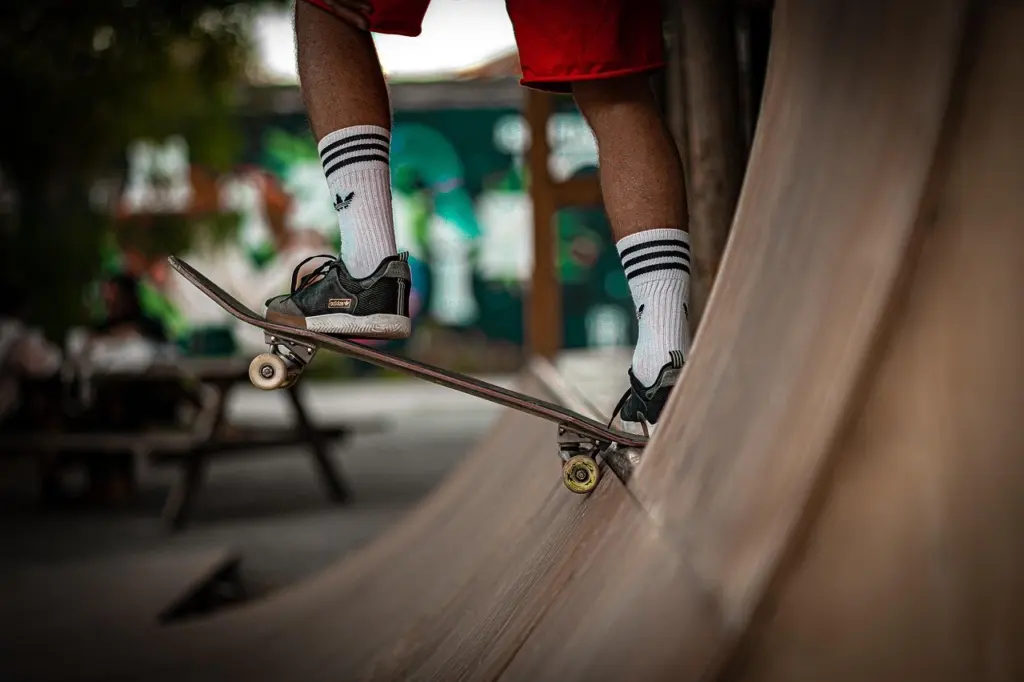
Unlike regular sneakers, skate shoes are designed for the demands of skating. Flat soles give maximum contact with the board, which supports stability and control. If you are weighing protection against feel, two companion guides cover the extremes: Steel-Toe Skate Shoes: The Essential Guide To Safety, Fit, And Performance – Calgaryskateboarding looks at added toe protection, while Barefoot Skate Shoes: The Minimalist Way To Better Board Feel, Control, And Foot Health In 2026 – Calgaryskateboarding covers the minimalist end. For a first pair, a flat-soled skate shoe sits sensibly between the two.
Dressing for Calgary’s cold days
Calgary skaters face weather that can turn cold or mild within a session, so the useful approach is layers you can add and remove, not a single heavy coat. Arc’teryx divides layering into base layers, midlayers and outerwear. It describes the system for mountain conditions, but the logic carries over to a skatepark on a cold day. Skating is active, so you will warm up quickly, which is why removable layers beat bulk.
Base layer
A base layer sits against the skin and is typically made of a breathable, moisture-wicking fabric. Arc’teryx singles out merino wool, which retains its temperature-regulating properties even when wet. That is useful when sweat builds up between runs.
Midlayer and outerwear
The midlayer adds insulation, and the choice of fill matters if you sweat or the weather turns damp:
- Down: loses its loft when wet, so Arc’teryx advises bringing a shell if you expect precipitation or heavy sweating.
- Synthetic insulation: retains more of its loft and warmth when wet, according to the manufacturer, making it the safer choice for damp days.
- Softshell: water resistant rather than waterproof, so it repels light precipitation but its seams and zippers are not sealed.
- Shell: the answer when you are up against rain, snow and sleet.
Pick a jacket you can still rotate your shoulders in. Anything that restricts your arms fails the same movement test that applies to the rest of your clothes.
Adjusting as you go
When you overheat, Arc’teryx suggests removing your hood, opening vents or taking off a layer altogether; when you cool down, add insulation. It also points out that your head, neck and hands heat up and cool down quickly. A toque, neck warmer and gloves you can pull on and off are therefore the easiest tools for small adjustments mid-session.
Putting together a first-session outfit
A beginner needs less than the full range above. The decisions that matter most, in order of importance:
- Protection: helmet, then wrist guards and knee pads, as described earlier.
- Feet: flat-soled skate shoes rather than everyday sneakers.
- Bottoms: durable and loose enough to bend in, so you can move without thinking about your clothes.
- Top: breathable and loose, with long sleeves if scrapes concern you.
- Weather: on a cold day, a breathable base layer plus one removable layer, with a shell only if precipitation is likely.
Keep the outfit simple enough that you stop noticing it. The point is to concentrate on the board.
Frequently asked questions
Can you skateboard in shorts?
Yes. Skateboarding has no prescribed uniform, so shorts are a personal choice. Pick a pair loose enough to move freely but not so loose that they fall down or get in the way.
Do you need special pants?
No. Ordinary durable pants work if they let you bend your knees and push freely. A learner at Skatewives names denim, canvas, corduroy or thick khaki as fabrics that protect the skin.
Does a skate helmet have to be full-face?
No. A full-face variant is optional according to Veymax, but whichever style you choose should protect the back of your head.
Is a down jacket a good choice for skating in the cold?
Only with a shell over it. Down loses its loft when wet, so Arc’teryx advises carrying a shell if you expect rain, snow or heavy sweating. Synthetic insulation keeps more warmth when damp.