Barefoot skate shoes offer direct board feel and low-profile cushioning for skaters. They reduce bulk and let the foot sense the deck. Riders gain control and foot strength. This article explains what barefoot skate shoes are, key design features, who should wear them, and how to pick and care for them.
Key Takeaways
- Barefoot skate shoes provide superior board feel by minimizing midsole thickness and maximizing sole flexibility, enhancing control for skaters.
- Choosing the right barefoot skate shoes involves balancing sole thickness, flex, grip, and protection according to your skating style and surface.
- Skaters should use barefoot skate shoes primarily for technical practice and flat-ground sessions to build foot strength without risking injury.
- Breaking in barefoot skate shoes gradually with short, low-risk sessions helps feet adapt while alternating with cushioned shoes preserves impact protection.
- Proper care—including cleaning, airing out, repairing early wear, and rotating pairs—extends the life of barefoot skate shoes and maintains foot health.
What Barefoot Skate Shoes Are And Why They Matter
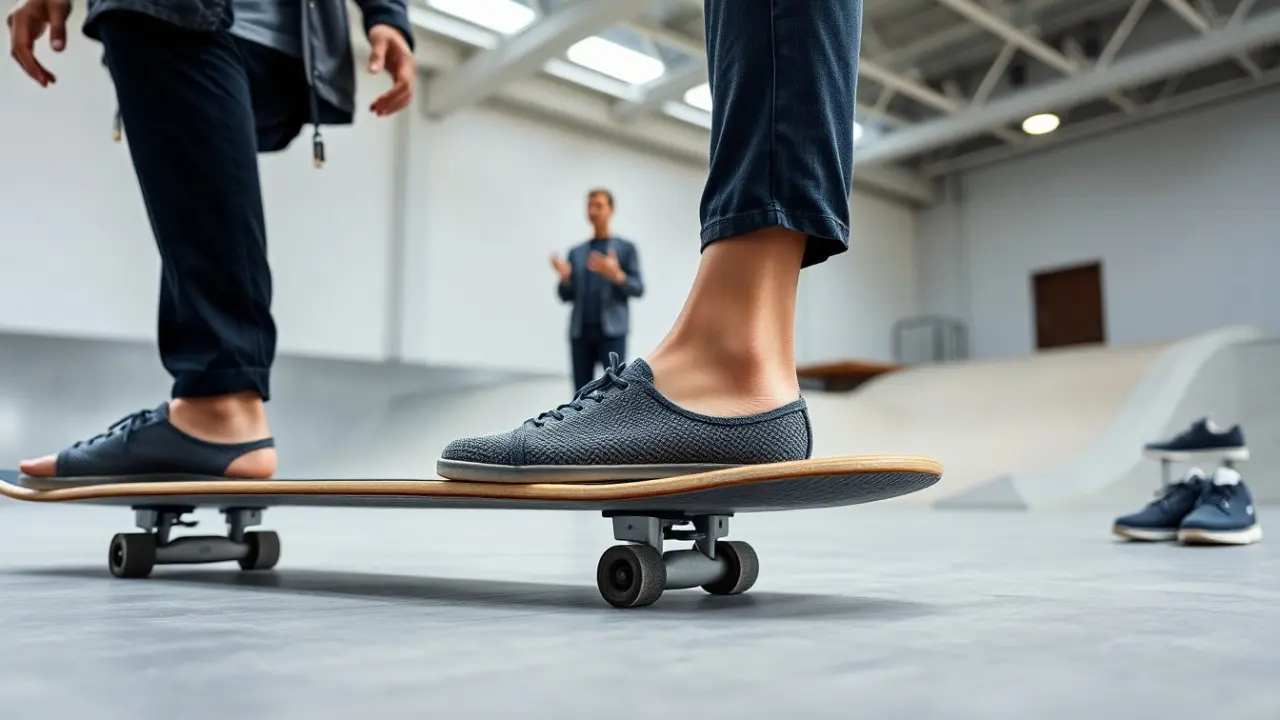
Barefoot skate shoes describe footwear with minimal midsole thickness and high sole flexibility. Designers remove heavy foam and long heel stacks. The shoe keeps a thin, grippy outsole and light protection zones. Skaters wear barefoot skate shoes to feel the board. They sense subtle weight shifts and edge changes. That direct feedback helps them time turns and land tricks. Foot muscles receive more input and work harder in these shoes. Over time, that work can increase foot strength and balance. Skate shops and coaches recommend barefoot skate shoes as a training tool. Riders should use them alongside regular, more padded shoes. The shoes matter because they change how the foot and board interact. That change affects control, touch, and foot health when used appropriately.
Key Design Features To Look For
Shoppers should inspect sole thickness, flex, grip, and protection. Each feature changes performance and safety. The right mix depends on skill, trick type, and surface.
Sole Thickness, Flex, Grip, And Protection — What Each Means For Performance
Sole thickness sets how much the foot feels the deck. Thinner soles give more feel and quicker board response. Thicker soles add shock absorption and can protect joints on high drops. Flex describes how the sole bends. A flexible sole lets the foot wrap the board and sense movement. A stiffer sole spreads force and can help pop on ollies. Grip refers to the rubber compound and tread pattern. Stickier rubber improves control on smooth decks and rails. Harder compounds last longer on rough surfaces. Protection covers toe caps, sidewall reinforcements, and impact pads. A lightweight toe cap reduces toe abrasion without blocking feel. Sidewall reinforcement prevents early wear where the shoe meets the deck. Impact pads under the heel save the ankle and foot on landings. Buyers should match sole thickness and flex to their priorities. Street skaters who do many ledge tricks might prefer slightly thicker soles and reinforced toes. Park skaters who want precision might pick very thin, flexible soles with a sticky rubber. Beginners benefit from moderate protection with thinner soles for feedback. Advanced skaters can choose minimal protection and very thin soles to maximize board feel.
Who Should Wear Barefoot Skate Shoes And When To Use Them
Barefoot skate shoes suit skaters who want better board feel and stronger feet. They suit riders who already control basic moves. Beginners can try them in low-risk drills and flat-ground practice. Coaches may use them for balance and footwork exercises. Riders with chronic ankle or knee pain should consult a clinician before switching fully. People who jump high or land hard should add protection or alternate with cushioned shoes. Skaters should use barefoot skate shoes for technical practice, flat-ground sessions, and low-drop park work. They should avoid them on long commutes, rough terrain, or large gaps. Athletes can alternate between barefoot skate shoes and cushioned models. That alternation preserves impact protection while developing foot strength. Parents buying for teens should check fit and have the teen test the feel on a flat deck. The shoes work well for daily skate sessions when the skater values touch over padding.
How To Choose, Break In, And Care For Barefoot Skate Shoes
Shoppers should measure foot length and width and try a few brands. They should test grip and flex on a deck before they buy. They should check for adequate toe reinforcement and a secure lace system. They should prefer shoes with replaceable insoles for hygiene and minor cushioning. Break-in requires short sessions at first. Riders should skate flat ground for one to three sessions. They should avoid big drops during the break-in period. The foot adapts faster if the rider alternates with cushioned shoes. For care, riders should remove dirt after each session. They should brush out grit on the outsole and air shoes after skating. They should avoid machine drying and prolonged direct heat. For odor control, they should swap insoles and use mild soap on stains. They should repair sidewall wear early with skate-specific glue and edge tape. For long-term value, they should rotate two pairs when possible. They should replace barefoot skate shoes when the sole no longer grips, the midsole splits, or structural protection fails. Proper selection, gentle break-in, and simple care extend the life of barefoot skate shoes and keep the foot healthy.