Is skateboarding good exercise, and how much value does it bring to a weekly routine? This article answers that question with measured data and clear examples. It shows how skateboarding burns calories, builds muscle, and improves balance. It lists typical calorie ranges, explains intensity levels, and gives practical tips to use skateboarding for fitness.
Key Takeaways
- Skateboarding is an effective form of cardio that can burn 300 to 600 calories per hour depending on intensity and body weight.
- Regular skateboarding improves core, lower body, and stabilizer muscle strength through dynamic movements and balance challenges.
- The sport enhances balance and flexibility by engaging ankle and hip stabilizers and promoting joint mobility.
- Skateboarding’s interval-style activity boosts cardiovascular fitness and endurance with varied intensity levels.
- Incorporating warm-ups, targeted strength training, and stretching sessions amplifies the exercise benefits and reduces injury risk.
- Starting with two to three skate sessions per week and gradually increasing duration and strength work leads to lasting fitness improvements.
How Skateboarding Functions As Cardio: Calories, Intensity, And Endurance
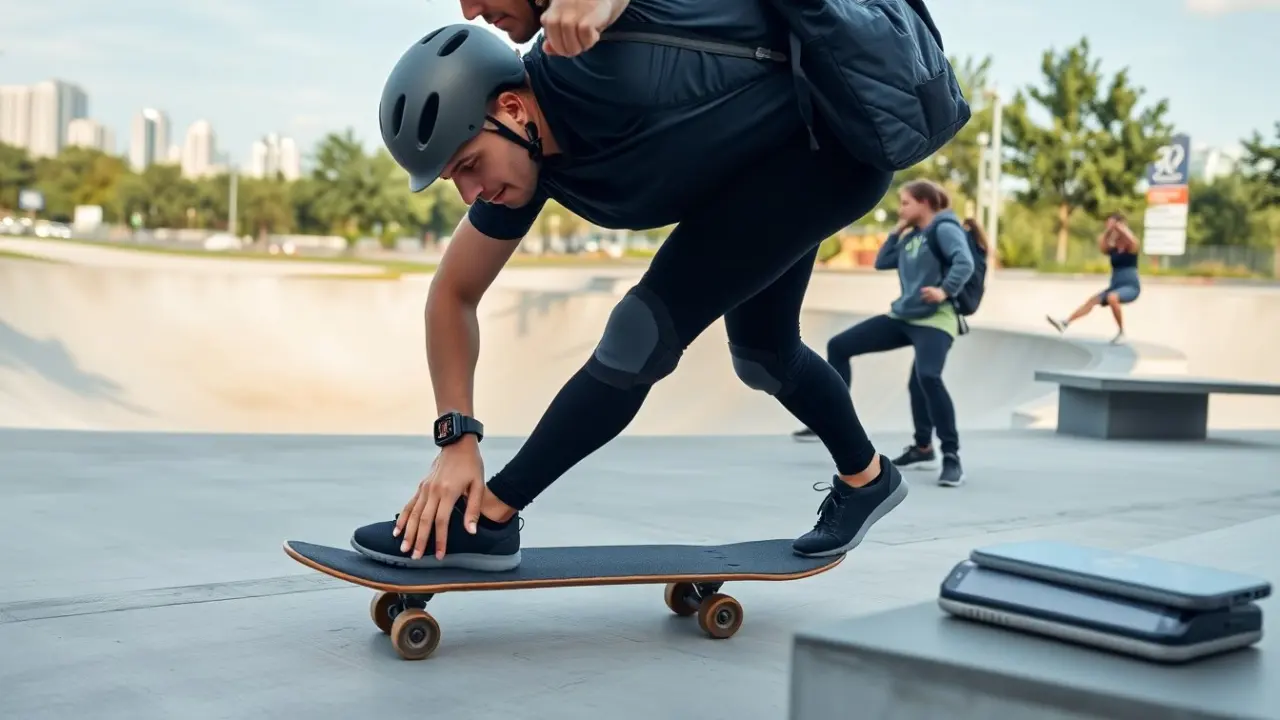
Skateboarding works as cardio when a rider maintains continuous movement. Beginners push and ride in short bursts. Experienced riders string tricks and lines that raise heart rate. Studies and activity charts show skateboarding can burn 300 to 600 calories per hour depending on intensity and body weight. A steady push-and-cruise pace will sit near the lower end of that range. A fast session with tricks and uphill pushes will reach the higher end.
Skateboarding produces intervals of high effort and low effort. Riders sprint to set up a trick and then recover between runs. This pattern creates a simple interval training effect. Interval training improves cardiovascular fitness and can raise aerobic capacity. Skateboarding also forces core and leg muscles to work continuously. This muscle engagement increases caloric burn beyond what walking or casual cycling produces at the same speed.
Skateboarding intensity depends on terrain and goal. Flat, smooth surfaces limit effort. Hilly streets, stairs, and long cruiser lines increase effort. A rider who chooses longer rides and fewer rests will build endurance faster. A rider who focuses on tricks will get repeated short bursts of high intensity. Both approaches improve endurance, but they do so differently. Endurance gains come when a rider increases session length or frequency over weeks.
Practical tips: warm up for five minutes with dynamic leg swings and light skating. Track heart rate or perceived exertion to gauge intensity. Aim for three sessions a week that last 30 to 60 minutes to see measurable cardio benefits. Cross-train with short runs or cycling to support longer skate sessions and reduce injury risk.
Strength, Balance, And Flexibility Benefits Of Regular Skateboarding
Skateboarding builds strength in the lower body and core through repeated weight shifts and stabilization. Riders squat, push, and absorb landings. These movements work the quads, hamstrings, glutes, and calves. The sport also challenges single-leg balance when a rider plants one foot to push or to pivot. Improved balance transfers to easier daily movement and lower injury risk in other sports.
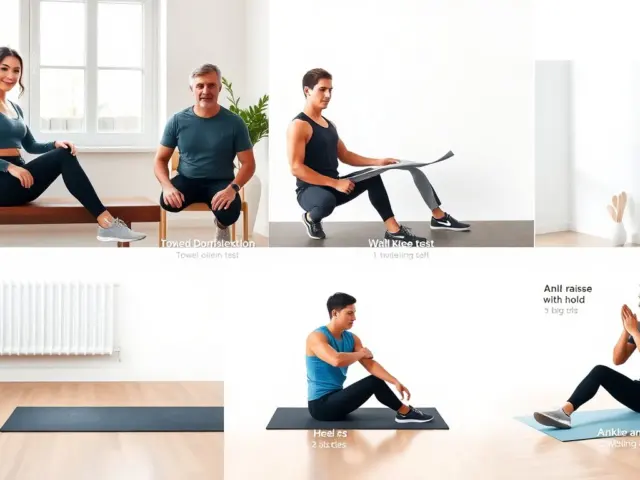
Skateboarding improves joint mobility and ankle flexibility. A rider bends the knees and uses the hips to control the board. This repeated motion keeps joints active and can increase range of motion over time. Flexibility gains appear when a rider pairs skating with targeted stretching after sessions. Simple calf and hip-flexor stretches help reduce stiffness and speed recovery.
Skateboarding strengthens stabilizer muscles that rarely get worked in straight-line exercises. Those muscles support small balance adjustments that keep a rider upright. Strength in these stabilizers improves posture and body control. A rider who skates three times per week will notice steadier balance and quicker recovery from slips.
Skateboarding also supports mental focus. A rider learns to plan foot placement and timing. This planning sharpens concentration and reaction speed. Many riders report better coordination after several months of regular practice.
Practical tips: include bodyweight squats, single-leg deadlifts, and plank variations twice a week to accelerate strength gains. Stretch calves, hips, and lower back after skating. Use protective gear to allow confident practice and reduce fear-based muscle guarding.
Core, Lower-Body, And Stabilizer Muscles Worked While Skateboarding
The skateboard engages the core on every ride. The rider uses the core to resist rotational forces during turns and tricks. A strong core helps the rider land tricks and keep balance at speed.
The lower body produces the main force for movement. The rider uses the quads for pushing and squatting. The hamstrings and glutes activate during explosive pushes and jumps. The calves work to control foot placement and to absorb landings. Over time, these muscles improve power and endurance.
Stabilizer muscles around the ankles and hips work constantly. The rider uses ankle muscles to correct small shifts in board position. Hip stabilizers keep the pelvis level during turns. These small muscles improve proprioception and reduce wobble.
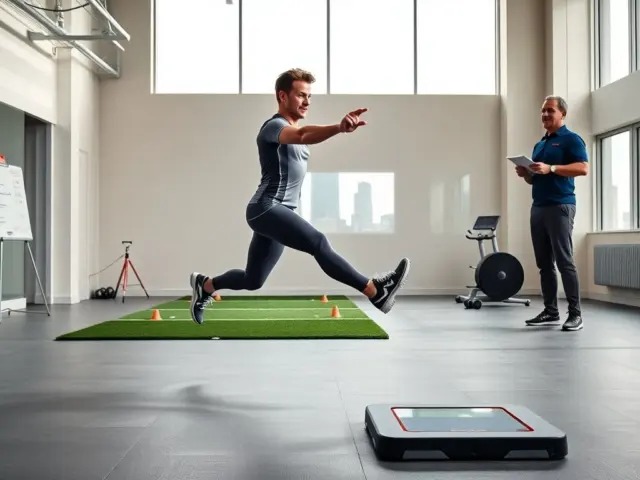
Training suggestions: perform single-leg balance drills and controlled hops to mimic skate demands. Add rotational core work such as Russian twists and anti-rotation presses to reinforce stability for tricks. Include ankle mobility drills to lower the risk of sprains.
Frequency and progression: start with two short skate sessions per week and one targeted strength session. Increase session length and add strength work as comfort grows. A steady, incremental approach produces lasting gains in muscle strength, balance, and flexibility.