The skater jumps exercise trains lateral power, balance, and speed. The athlete practices side-to-side hops to develop hip drive and single-leg stability. Coaches use the skater jumps exercise to improve change-of-direction ability and reduce injury risk. This guide shows clear steps, common errors, programming, and safety advice. The reader will learn how to add the skater jumps exercise to a training plan.
Key Takeaways
- The skater jumps exercise enhances lateral power, balance, and speed by training hip drive and single-leg stability.
- Perform skater jumps by hopping sideways with proper knee alignment and soft landings to maximize benefits and reduce injury risk.
- Common mistakes include knee valgus, stiff landings, and poor arm use, which can be corrected with targeted cues and strengthening exercises.
- Program skater jumps 2-3 times weekly with sets and reps adjusted for power or endurance goals, progressively increasing difficulty with distance or added weight.
- Start with low-impact variations and ensure stable single-leg balance before advancing to more challenging versions to maintain safety and effectiveness.
Why Skater Jumps Work: Muscles, Mechanics, And Key Benefits
The skater jumps exercise targets the gluteus medius, gluteus maximus, quadriceps, hamstrings, and calves. The lateral hop forces the hip abductors to stabilize the pelvis. The landing requires eccentric control in the quadriceps and glute muscles. The athlete uses a quick push-off to train explosive lateral power. The exercise also trains single-leg balance and reactive strength. The skater jumps exercise improves lateral speed and change-of-direction ability. The exercise lowers the chance of knee valgus during side cuts when performed with good form. The coach can measure progress with jump distance and landing stability metrics.
How To Perform Skater Jumps: Step‑By‑Step Technique
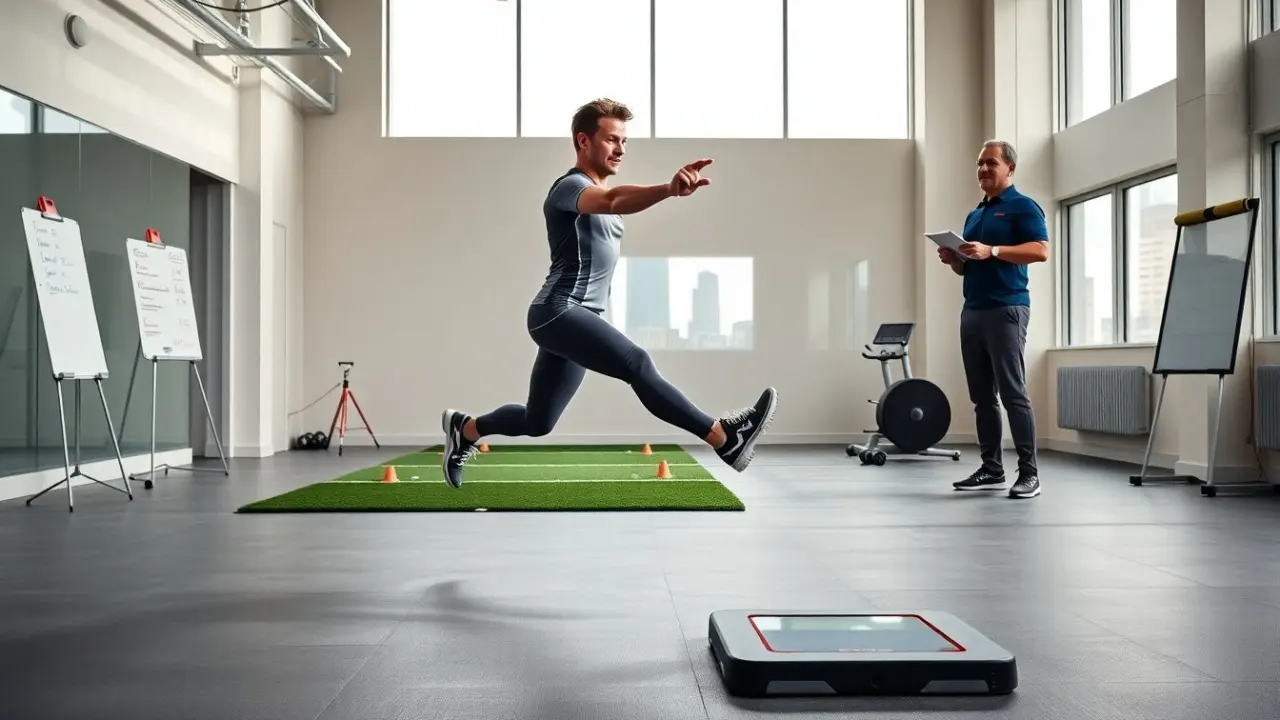
The athlete stands on one foot with slight knee bend. The athlete drives the other leg behind and then swings it across. The athlete pushes off the supporting foot and hops laterally. The athlete lands softly on the opposite foot with knee aligned over the second toe. The athlete absorbs the landing with the hip and knee to control motion. The athlete repeats the hop to the other side in a smooth rhythm. The athlete keeps the torso upright and arms move to counterbalance. The athlete starts with small hops and adds distance as control improves. The athlete keeps breathing steady and maintains foot cadence for speed.
Common Mistakes And How To Fix Them
The athlete often lands with the knee caving inward. The coach cues knee-over-toe alignment and strengthens the gluteus medius with band walks. The athlete often lands hard with a stiff hip. The coach cues soft landings and prescribes eccentric squats to improve control. The athlete often uses the arms too little and loses balance. The coach instructs a strong arm swing and practices slow single-leg hops before adding speed. The athlete often jumps too far and sacrifices form. The coach reduces distance and increases reps. The athlete often looks down and loses posture. The coach cues a forward gaze to help trunk control.
Programming Skater Jumps: Sets, Reps, Frequency And Progressions
The coach programs the skater jumps exercise based on goals. For power, the coach prescribes 3 to 6 sets of 4 to 8 explosive reps per side. For endurance, the coach prescribes 3 sets of 30 to 60 seconds per side. The coach schedules the skater jumps exercise 2 to 3 times per week. The coach places the exercise early in a session when fresh for power work. The coach increases difficulty by adding distance, adding a weighted vest, or adding a lateral bound with single-leg hold. The coach monitors form and reduces load if control drops. The athlete tracks jump distance, contact time, and perceived exertion.
Safety, Modifications, And When To Progress To Advanced Variations
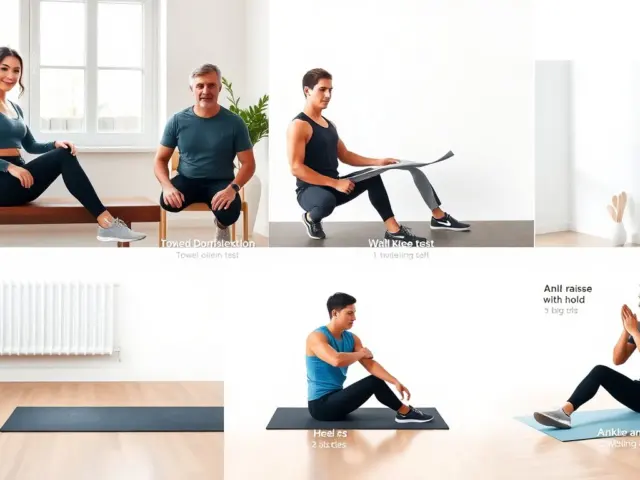
The athlete starts with low-impact versions of the skater jumps exercise if needed. The beginner performs a step-to-lateral step rather than a hop. The athlete uses both hands on a support to reduce fall risk. The coach tests single-leg balance for 20 seconds before adding lateral hops. The athlete moves to full skater jumps exercise once the coach confirms stable landings and no knee pain. The coach advances the athlete to single-leg depth bounds, crossover hops, or weighted lateral bounds for more challenge. The athlete avoids progression when pain or poor form appears.