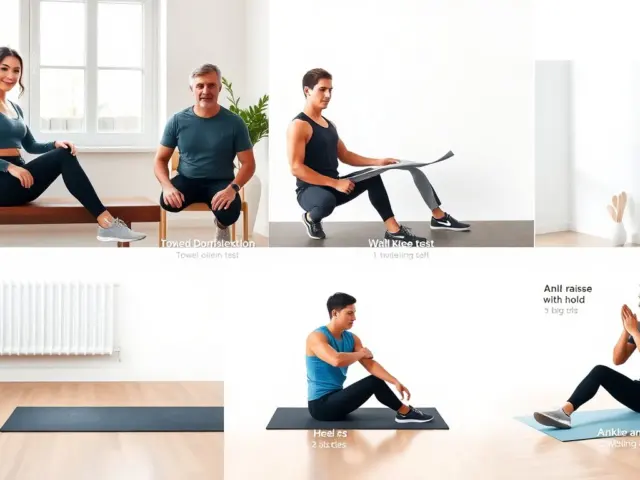
This guide shows how to fall safely and reduce injury risk. It explains basic positions, momentum control, and simple drills. It gives clear steps for backward and forward falls. It shows what to check after a tumble and when to get medical help. It keeps language direct so readers can learn and practice with confidence.
Key Takeaways
- Learning how to fall safely reduces the risk of broken bones, sprains, and head injuries in everyday accidents and sports.
- Key principles for safe falling include tucking the chin, relaxing muscles, controlling momentum, and spreading impact over larger body areas.
- To fall backward safely, use a controlled recline, tuck your chin, roll across the shoulder, and avoid stiff limbs.
- When falling forward, break the fall using forearms, keep elbows bent, and avoid locking arms to protect the head and wrists.
- After a fall, perform self-checks for pain and movement, use ice for mild injuries, and seek medical help if symptoms like loss of consciousness or severe pain occur.
- Practice falling drills slowly on soft surfaces with proper safety measures to build confidence and reflexes effectively.
Why Learning To Fall Matters — Risks, Benefits, And Who Should Know These Skills
Why learn how to fall? People lose balance during sports, on stairs, or on wet surfaces. Learning how to fall reduces broken bones, sprains, and head injuries. It gives people real chances to stay active after a mistake. Caregivers, older adults, athletes, and workers in physical jobs should learn these skills. Practicing how to fall builds reflexes and confidence. It also helps people decide when to avoid a risky move and when to accept a safe drop. The skill does not remove all risk, but it lowers harm and speeds recovery.
Core Principles Of Safe Falling: Body Positioning, Momentum Control, And Protecting Your Head
A few simple principles guide how to fall safely. First, keep the chin tucked to protect the head. Second, relax muscles slightly to absorb impact. Third, control momentum by rolling or sliding rather than stopping suddenly. Fourth, keep limbs loose and avoid reaching with straight arms. Fifth, aim to spread impact across larger body areas, such as shoulder and hip, not one joint. They should practice these principles slowly at first. Short drills help make the actions reflexive. The person who learns these rules reduces force on bones and the brain.
How To Fall Backward Step By Step: Controlled Recline, Tuck, And Roll Techniques
To practice how to fall backward, start on soft ground. The person stands with knees slightly bent. They tilt hips back and sit into a controlled recline. They tuck the chin to the chest to keep the head from hitting the ground. They round the back and bring one arm across the chest. They let the body roll diagonally across the shoulder and onto the opposite hip. They keep legs together and slightly bent to avoid kicking out. They practice this slowly until they can roll without panic. Use mats or grass for initial drills.
How To Fall Forward Step By Step: Break The Fall, Use Your Forearms, And Avoid Head Impact
To learn how to fall forward, the person practices controlled forward drops. They lower into a shallow lunge and place forearms out in front. They keep palms down and fingers spread to avoid wrist hyperextension. They let the elbows absorb the first contact and keep the chin tucked to the chest. They slap the ground with the forearms and then roll onto the opposite hip if space allows. They avoid locking the arms straight. They repeat the movement slowly, increasing speed after success. This pattern reduces face and skull impacts during a forward tumble.
Recovering After A Fall: Immediate Self-Checks, Pain Management, And Safe Movement Again
After learning how to fall, the person must know what to do after a tumble. First, they pause and breathe. They check for pain in the head, neck, chest, and limbs. They test movement by wiggling fingers and toes and moving the neck gently. If pain is severe, they avoid moving and call for help. If pain is mild, they use ice on swollen areas and rest. They use over-the-counter pain relief if they have no contraindications. They move slowly when they stand, using a chair for support. They watch for dizziness or persistent headache over the next 24 hours.
When To Seek Medical Help And Practice Drills To Build Confidence Safely
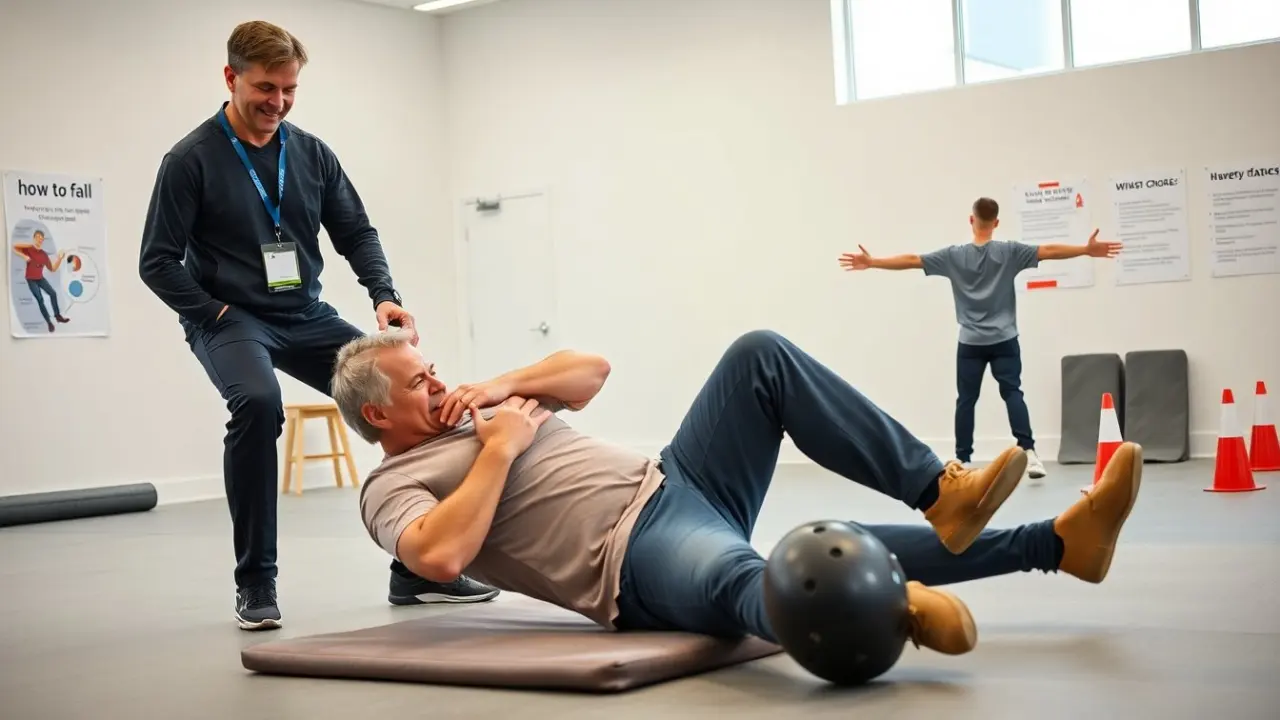
Seek medical help after a fall if the person loses consciousness, has severe headache, vomits, or shows numbness. Seek help for deep cuts, visible bone deformities, or inability to bear weight. For practice, start on padded floors and use a partner for spotting. Do ten low-speed repetitions of backward and forward falls twice a week. Add small increases in speed when form stays correct. Use helmets for high-risk practice and choose clear spaces to avoid obstacles. Gradual practice keeps confidence and reduces fear. A health professional can advise people with osteoporosis or prior head injury before practice.