An indoor skate park keeps you riding when Calgary winter makes outdoor parks unrideable. Expect a signed waiver before you roll in, a session or pass fee, and house rules on helmets and equipment that differ from park to park.
Weather and local rules decide when riders move inside. The Calgary weather and rules hub is the place to start if you are weighing an indoor skatepark calgary session against outdoor riding. The operators quoted below are US examples of what indoor parks publish, so confirm details with any Calgary operator before you go.
Why Calgary winter moves skating indoors
Indoor parks fill up when outdoor concrete stops being usable. An account from the operator of Spokane’s indoor skate park describes students skating inside once the outdoor parks are no longer rideable. It adds that any weeknight from late November to March is full of 11- to 19-year-olds. Calgary winter follows the same logic. When snow and cold close the outdoor parks, the indoor floor becomes the main place to keep practising.
That pattern has two practical consequences:
- Expect a young crowd on winter weeknights. If you are an adult or a first-timer, look for a lesson or clinic slot rather than assuming open riding will feel relaxed.
- Treat travel as part of the plan. The Calgary Neighbourhoods for Pathways, Skateparks and CTrain – Calgaryskateboarding guide helps you match a park to nearby pathways and CTrain stops, which matters more when the weather is poor.
What the building offers: ramps, zones and layout
An indoor park is a fixed set of obstacles inside one building, so the layout you choose is the terrain you practise on for the whole winter. The published examples show how much that can vary.
Ramps and obstacles
The Springfield, Missouri park board describes its indoor park as 13,500 square feet with rails, obstacles and Finland Birch ramps. A park of that scale suits riders who want a mix of street-style obstacles and ramps in one session. When you read any park’s layout page, look for the terrain you actually want to practise rather than relying on total size alone.
Named zones in a large park
The Edge in Taunton, Massachusetts reports more than 30,000 square feet and calls itself the largest indoor skateboard, scooter, blades and BMX facility in New England. That size is the operator’s own claim. Its floor is divided into a Mini Room, the Snowman Bowl, Half Pipes, a Foam Pit, a Resi Ramp and Street Sections. Named zones make it easier to pick the right area for your level, and a layout page that lists them lets you plan a visit before you arrive.
Layouts that change
Indoor layouts are not permanent. The City of Bellevue, Washington says skateboarders renovate its indoor park every two years to keep it fun and up to date. If a park has been rebuilt recently, photos from an earlier season may no longer match what you will ride.
A first visit, step by step
The entry process is similar across the published examples. Work through it in this order so you are not turned away at the door.
- Complete the waiver first. Bellevue asks riders to complete its waiver before arrival. Asylum in Chicago tells new visitors to fill out the waiver and book a first session to get started. Springfield requires a current waiver signed before riding, with a parent or guardian signing for anyone under 18. The Edge requires a valid waiver for every person who goes on the floor.
- Pick a session type that fits your goal. Bellevue’s fall schedule lists open sessions Tuesday to Friday from 3 to 7 p.m. and Saturday from 12 to 7 p.m. It also runs a Monday Quad Skate Night from 6:15 to 8 p.m. and an adult skateboard clinic on Mondays from 5 to 5:55 p.m. Asylum offers lessons and camps for kids, teens and adults, including private and group lessons, camps and free trials. Open sessions suit riders who already know what they want to practise. Clinics and lessons suit anyone starting out or returning after a break. Winter schedules can differ from the fall timetable, so check the current posting.
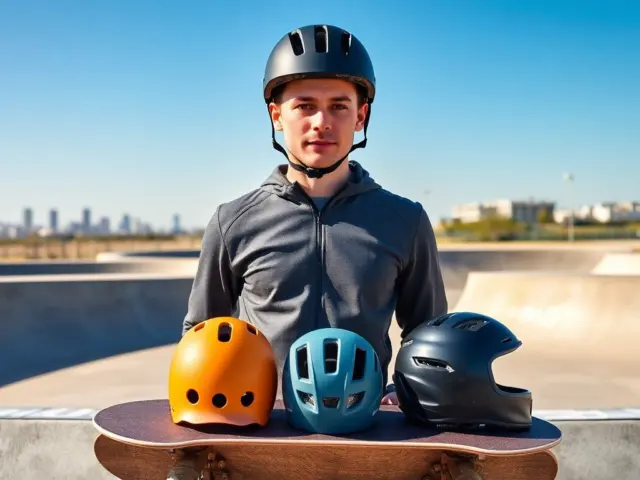
- Sort out your helmet. Bellevue requires helmets at all times. The Edge requires them for riders under 18. Springfield rents helmets and skateboards, which helps a first-timer try a session before buying gear. Wearing a helmet even where the rule is age-limited is a sensible default for anyone learning.
- Plan how your board travels. If your board is ever left unattended on the way to or from the park, read how to lock up a skateboard before you leave home.
Etiquette and house rules
Indoor park etiquette rules combine the operator’s written conditions with the habits regulars expect of each other. The written part is simple: finish the waiver, wear the helmet the park requires, and use only the equipment the park allows. Springfield also runs timed sessions. Its facility is closed between sessions, and all participants must leave the riding area.
The unwritten part is described by the Spokane operator. Its regulars respect the building, clean up after themselves and warmly welcome new students. Put together, good etiquette comes down to a few habits:
- Follow the posted rules. The park’s own conditions override habits from other venues.
- Clear the floor when a session ends. Where sessions are separate, that means leaving the riding area on time.
- Leave the space as you found it. Clean up after yourself, since a shared building depends on it.
- Welcome newcomers. A busy winter weeknight is when new skaters most need a friendly floor.
Costs, passes and memberships
An indoor skatepark session in the published examples costs from $7 to $12 per visit. Price depends on whether you are a member or a resident. Lessons and rentals cost extra. The table compares what two operators post, as a benchmark for what a Calgary park may charge.
| Park and item | Posted price | Planning use |
|---|---|---|
| Bellevue, WA: one-time session | $8 resident; $10 non-resident | Residency changes the fee, so check which rate applies to you. |
| Bellevue, WA: monthly auto-renew pass | $20/month resident; $22/month non-resident | Suits riders who visit regularly through winter. It renews automatically. |
| Springfield, MO: session fee | $7 members; $12 non-members | Membership status changes the price, so compare it with how often you will ride. |
| Springfield, MO: rentals | $3 helmet; $5 skateboard | Lets a beginner try a session before buying equipment. |
| Springfield, MO: private lesson | $42/hour members; $47/hour non-members | Budget coaching separately from entry fees. |
Prices are from the City of Bellevue and the Springfield park board.
Packs, passes and seasons
Asylum in Chicago offers flexible session pricing, memberships and season passes. Its published example is a 10-pack of sessions for $100, which the operator says saves $60. A pack suits riders who come often but not on a fixed day. A monthly pass such as Bellevue’s suits a set weekly routine, and because it auto-renews, match it to a stretch of regular visits rather than a one-off trip. Pay per session if you are still deciding whether indoor riding suits you.
Frequently asked questions
Can scooters or BMX bikes use an indoor skate park?
It depends on the park. Bellevue does not permit BMX bikes and does not permit scooters during regular hours. The Edge in Taunton describes itself as a facility for skateboards, scooters, blades and BMX. Check the equipment rules before you bring anything other than a skateboard.
Is there a minimum age?
Some parks set one. The Edge requires riders to be at least 5 years old, with no exceptions. Springfield asks a parent or guardian to sign the waiver for anyone under 18.
Can I ride free on my birthday?
At The Edge you can, if you show proof of your birth date. Treat it as one operator’s offer rather than a standard policy.
Will a park close early if it is quiet?
It may. The Edge says it may close early if no one is in the park one hour after the last session begins. Confirm the closing time on the day if you plan a late visit.