How to learn to skateboard begins with clear goals and steady practice. The guide gives an 8-week plan that builds balance, confidence, and basic tricks. It lists gear, stance drills, pushing and turning exercises, and a safe ollie progression. The reader will use short sessions and focused steps. The plan fits new riders and helps them track progress week by week.
Key Takeaways
- Learning how to learn to skateboard starts with setting clear goals and practicing steadily over an 8-week plan that builds balance, confidence, and basic tricks.
- Beginners should select medium-sized decks and softer wheels for better control and comfort when starting out skateboarding.
- Mastering fundamentals like stance, pushing, turning, and falling safely lays the foundation for progression and injury prevention.
- Starting with simple tricks like kickturns, manuals, and shove-its helps build the necessary control for more advanced moves like the ollie.
- Short, focused practice sessions with measurable goals are more effective than long, unfocused skateboarding attempts.
- Patience and safety gear, including a helmet and pads, reduce injury risk and support continuous progress in learning to skateboard.
Why Skateboarding Is Worth Learning And What To Expect
Skateboarding teaches balance, coordination, and persistence. A beginner gains physical fitness and creative problem solving. Learning to skateboard takes falls and small wins. Expect slow, steady progress and frequent repetition. A rider should expect muscle soreness and improved posture. Social benefits appear as riders meet peers at parks. Safety and patience reduce injury. The main reward comes when a rider links moves and feels control on the board.
Beyond fitness and social connection, skateboarding develops spatial awareness and timing — skills that transfer to other sports and everyday movement. Beginners often find the first few sessions focused on simply standing, rolling, and stopping; these basics are the core building blocks for everything that follows. Mentally, progressing through small milestones builds confidence and a productive approach to learning new physical skills.
Practical expectations: progress is rarely linear. Some days will feel like two steps forward, one step back. Plan micro-goals for each practice (for example, “30 controlled pushes” or “5 smooth kickturns”) and log what feels difficult. That approach keeps practice purposeful and prevents frustration.
Essential Gear And How To Choose It
A rider needs a board, trucks, wheels, bearings, and safety gear. The choices affect control and comfort. Beginners should pick medium-sized decks and softer wheels for smoother rides. The deck width should match shoe size and riding style. Trucks should match the deck and feel stable. Bearings should roll smoothly and stay clean. A rider should budget for a quality helmet and pads before buying upgrades.
Board: For most beginners, a deck width between 7.5″ and 8.25″ balances stability and maneuverability. Wider decks feel steadier for cruising and larger riders; narrower decks are easier for flip tricks. Consider the deck shape — a slight concave helps foot placement and control.
Wheels and trucks: Start with slightly softer wheels (they absorb bumps and grip better on rough surfaces) and trucks sized to the deck width. Softer wheels make learning to push and roll more comfortable and forgiving when you hit small cracks or gravel. Tighten or loosen your trucks to dial turning responsiveness: tighter for stability, looser for easier carving.
Bearings and maintenance: Clean bearings periodically and keep them free of dirt and debris to maintain roll. You don’t need top-tier bearings to start; smooth, well-lubricated bearings are more important than brand names for beginners.
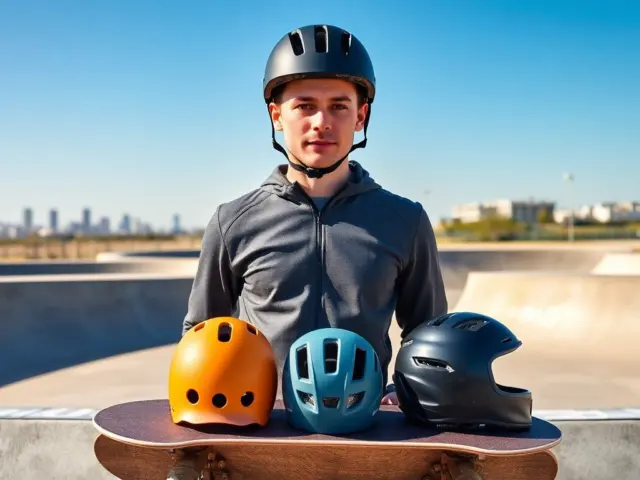
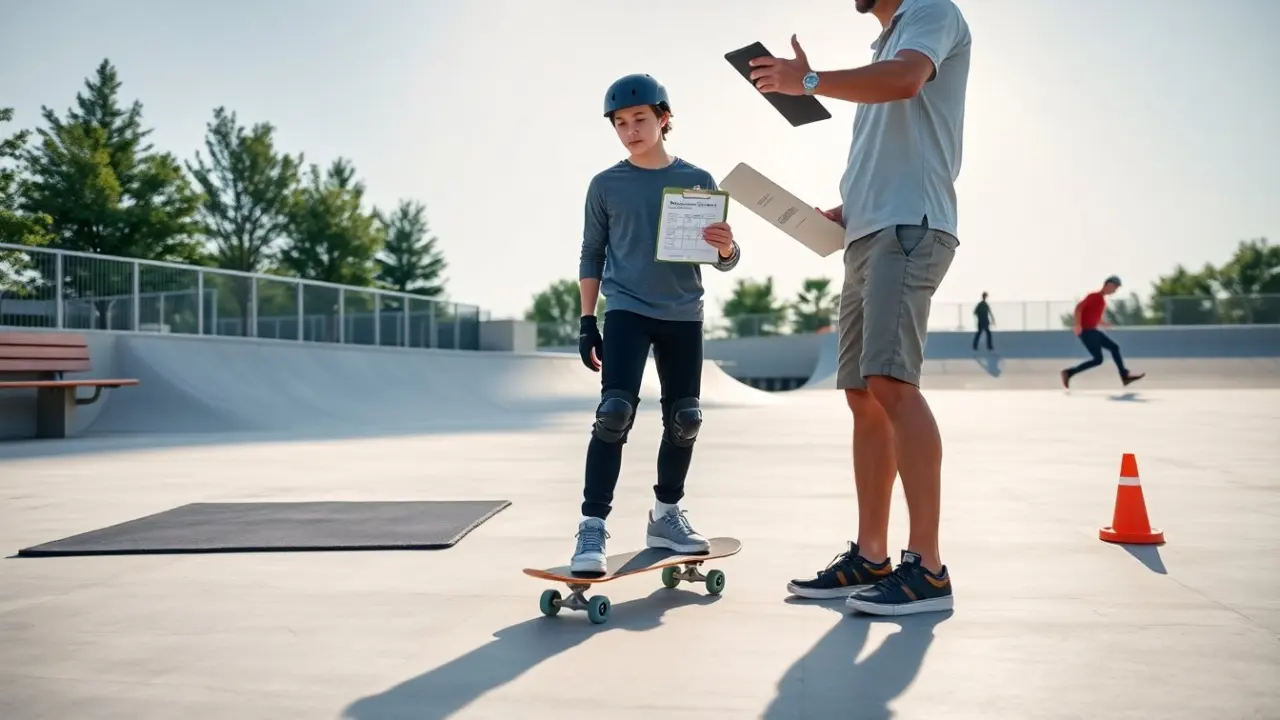
Safety gear: Always use a properly fitting helmet. Wrist guards, knee pads, and elbow pads are especially helpful while learning to fall and practice tricks. These items reduce the fear of falling, allowing you to focus on technique. When trying new moves, add protective gear even if you normally skate without it.
Fundamentals: Stance, Pushing, Turning, And Falling Safely
A rider finds stance by testing which foot feels natural forward. The front foot should sit near the bolts and point slightly forward. The back foot should push on the tail or sit across the deck during slow rides. For pushing, the rider steps with the back foot and pushes with the back leg while the front foot balances. For turning, the rider shifts weight over the toes or heels and leans into the trucks. To fall safely, the rider rolls on impact, avoids stiff arms, and tries to land on padding when possible. Practicing on grass or carpet helps the rider learn balance before hitting pavement.
Stance detail: Identify regular (left foot forward) or goofy (right foot forward) early — this determines how you approach pushing and turning. Practice both stationary stance and rolling stance. Stationary drills: place both feet on the board and lean forward/backward to feel the trucks respond. Rolling drills: push-pause-repeat to get consistent speed and balance.
Pushing and stopping: Start with short, controlled pushes and look ahead to anticipate obstacles. Practice footbraking and gentle rearside turns for speed control. Learn to shift weight for small directional changes rather than relying on abrupt foot placements.
Turning technique and safety falls: Use carve turns (leaning into toes/heels) before attempting sharp kickturns. When you do fall, tuck and roll to disperse force, try to avoid landing on your wrists by relaxing and rolling through the fall, and aim to fall onto padded areas if possible. Progressive practice in a low-risk environment (empty parking lot, smooth sidewalk) reduces injury and builds confidence.
First Tricks And Progressions: From Kickturns To The Ollie
A rider starts with kickturns, manuals, and small shove-its. Kickturns teach weight shift and board rotation. Manuals teach balance over the back trucks. Shove-its teach board spin and timing. Each move builds control needed for an ollie. The rider practices popping the tail, sliding the front foot, and catching the board. Progress depends on consistent practice and small, measurable goals. Short sessions of focused reps beat long unfocused hours.
Progression outline (practical steps you can follow):
- Weeks 1–2: Focus on stance, pushing, stopping, and simple turns. Build comfort rolling for at least 10–15 minutes per session.
- Weeks 3–4: Introduce kickturns and basic manuals on flat ground. Begin small ollie drills: popping the tail while standing on a carpet or grass to feel the motion.
- Weeks 5–6: Add shove-it attempts and controlled ollie pops while rolling slowly. Practice timing the front foot slide and catching the board with both feet.
- Weeks 7–8: Combine ollie pop, slide, and landing on flat ground. Start practicing on small obstacles (chalk line or low curb) once you can consistently land flat ollies.
Ollie mechanics: break the motion into parts—pop, scoop/slide, and land. Drill each part slowly: pop the tail without the slide, slide the front foot across the deck while stationary, then put the two together at low speed. Use repetition in short bursts (10–20 reps per set) and rest between sets to maintain focus and reduce fatigue.
Trick practice tips: film a few attempts to analyze foot placement and board behavior, practice on a consistent surface, and keep a log of small wins (for example: “first flat ollie” or “five consecutive kickturns”). Celebrate these micro-milestones to maintain motivation.