Over the past few decades, skateboarding has developed from a niche street activity into a widely recognized sport and recreational pursuit. What was once mainly associated with a small group of enthusiasts has become a global interest, attracting children, teenagers, and young adults from different backgrounds. Today, skateboarding is visible in urban neighborhoods, dedicated skateparks, schools, and international sporting competitions.
One reason behind this growth is that skateboarding offers something different from traditional sports. It combines physical activity with creativity, personal expression, and the freedom to develop individual skills. Young people can enjoy it casually with friends, practice independently, or work toward competing at higher levels. This flexibility makes it appealing to those who want an activity that fits their interests and lifestyle.
The influence of social media, international sporting events, and growing community support has also helped introduce skateboarding to new audiences. As more young people discover the activity, its popularity continues to expand across different parts of the world.
Skateboarding Offers Freedom and Personal Expression
One of the main reasons young people are attracted to skateboarding is the opportunity to express themselves. Unlike some organized sports that follow fixed positions and team structures, skateboarding allows individuals to develop their own approach and style.
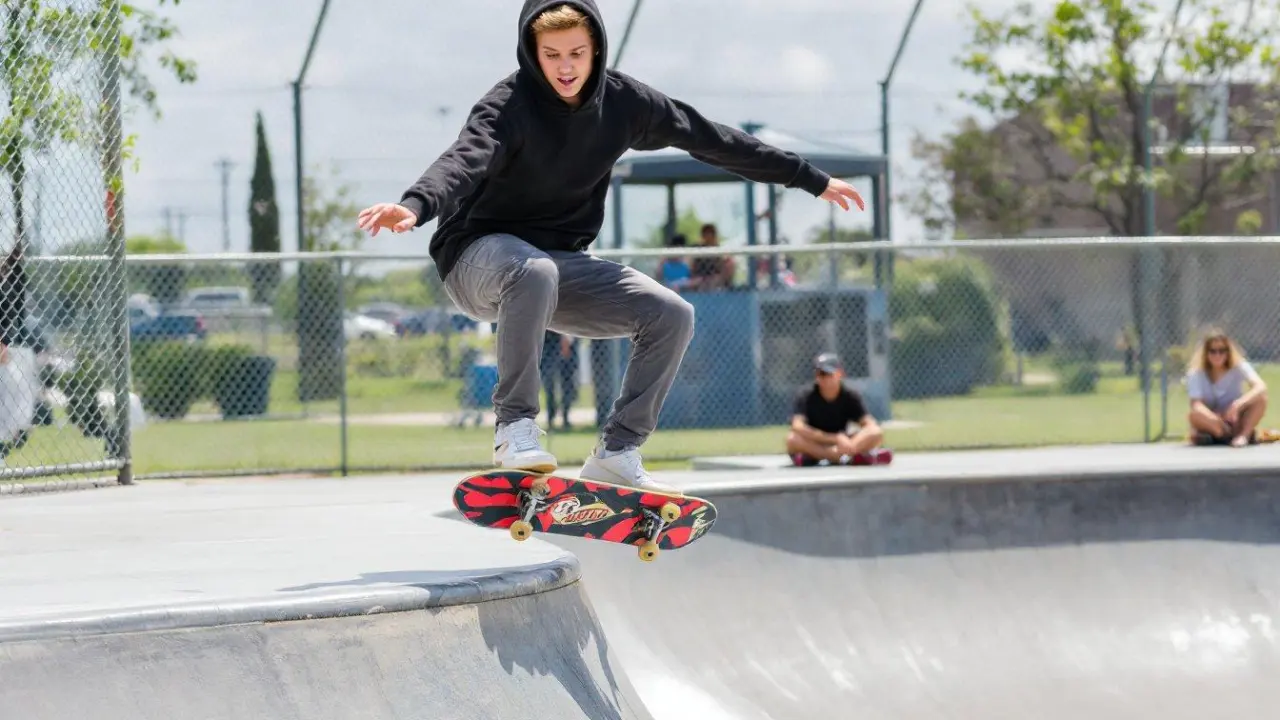
Some skateboarders enjoy cruising along smooth paths, while others prefer learning tricks, improving their balance, or practicing more advanced movements. Each person can decide what they want to achieve, making the experience flexible and enjoyable.
Personal expression is also an important part of skateboarding culture. Board designs, clothing, music, and individual skating styles often reflect a person’s interests and personality. For teenagers who want to explore their identity and develop confidence, skateboarding can become an enjoyable creative outlet.
There is also no requirement to become a professional athlete to participate. Young beginners can enjoy the activity at their own pace, gradually developing skills through regular practice.
Social Media Is Introducing Skateboarding to New Generations
Social media has significantly influenced how young people discover and engage with skateboarding. Platforms such as Instagram, TikTok, and YouTube feature videos of skateboarders performing tricks, sharing tutorials, and documenting their progress.
These platforms allow young audiences to watch skateboarders from different countries and learn about styles and techniques they might not encounter in their local communities. Someone who has never visited a skatepark can still explore the sport through online videos and beginner-friendly demonstrations.
Instructional content has also made learning more approachable. Experienced skateboarders frequently share guidance on choosing equipment, maintaining balance, improving foot placement, and practicing basic movements. Such resources can help beginners understand what to expect before starting.
Another advantage is the sense of connection created through online communities. Young skateboarders can share their achievements, exchange advice, and find encouragement from people with similar interests. Watching others improve can motivate beginners to continue practicing when they find certain skills challenging.
However, social media often highlights impressive tricks and advanced performances. New skateboarders should remember that these abilities usually develop through considerable practice. Building a strong foundation is more important than attempting difficult movements too quickly.
International Competitions Have Increased Its Visibility
Skateboarding’s inclusion in the Olympic Games brought the sport to a much wider international audience. Its debut at the Tokyo 2020 Olympics was a significant milestone, helping introduce competitive skateboarding to viewers who may previously have known little about it.
The competition showcased the athletic ability, creativity, and technical precision involved in professional skateboarding. Young viewers could watch talented athletes from different countries demonstrate their skills on a global stage.
The Paris 2024 Olympics continued this momentum, attracting attention to both street and park skateboarding competitions. Performances from young athletes helped demonstrate that skateboarding requires dedication, coordination, confidence, and consistent training.
International competitions also give aspiring skateboarders something to work toward. Some young people may become interested in joining local events, while others simply feel inspired to start practicing for fun.
Importantly, professional recognition has not changed the recreational nature of the sport. Skateboarding remains accessible to people who have no interest in competitions and simply want to enjoy an active hobby.
Skateboarding Communities Are Growing Across Different Cities
The popularity of skateboarding is not limited to a particular country or region. Different cities have developed their own communities, providing young people with opportunities to practice, exchange ideas, and participate in local activities.
Los Angeles has played an influential role in shaping modern skateboarding culture. With its famous skateparks, established skating communities, and connection to street culture, the city has inspired generations of young skateboarders. Skateboarding in LA has become an important part of its recreational and sporting identity, attracting beginners, experienced riders, and professional athletes. The city’s skating scene continues to influence young enthusiasts who want to explore the sport, develop their skills, and connect with other skateboarders.
These developments show how skateboarding can become part of different urban lifestyles. Although local communities may have different traditions and environments, they share an interest in creativity, skill development, and enjoying the activity together.
Local skating groups are particularly valuable for beginners because they create opportunities to learn from people with more experience. Instead of practicing alone, newcomers can receive encouragement, observe different techniques, and gradually become comfortable within the community.
Skateparks Are Encouraging More Young People to Participate
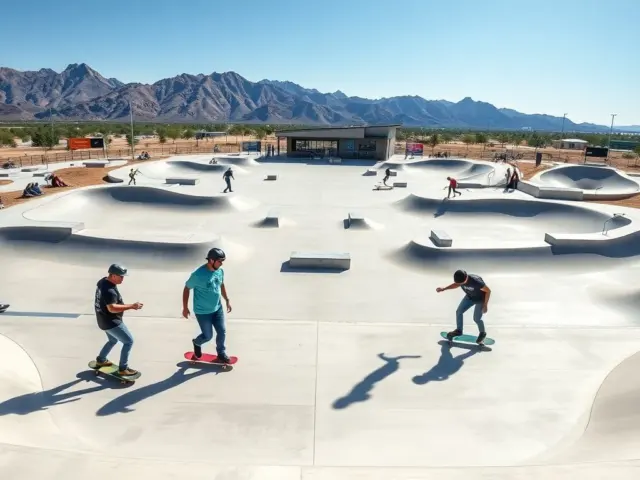
Access to suitable facilities is another important reason behind skateboarding’s growing popularity. Skateparks offer designated spaces where beginners and experienced skateboarders can practice without having to navigate busy streets or unsuitable public areas.
These facilities usually include features such as ramps, rails, bowls, and ledges. Each element provides different opportunities to develop balance, coordination, and technical ability.
For young beginners, a well-designed skatepark can make the first experience less intimidating. They can start with basic movements on smoother surfaces before gradually exploring more challenging features as their confidence improves.
Skateboarding is also attracting attention in cities outside North America. For example, skateboarding in Dubai is becoming an interesting recreational option for young residents and visitors. Dedicated skating facilities and growing interest in urban sports give beginners opportunities to practice, develop their abilities, and connect with other enthusiasts. Such developments show how the activity is finding a place in different communities around the world.
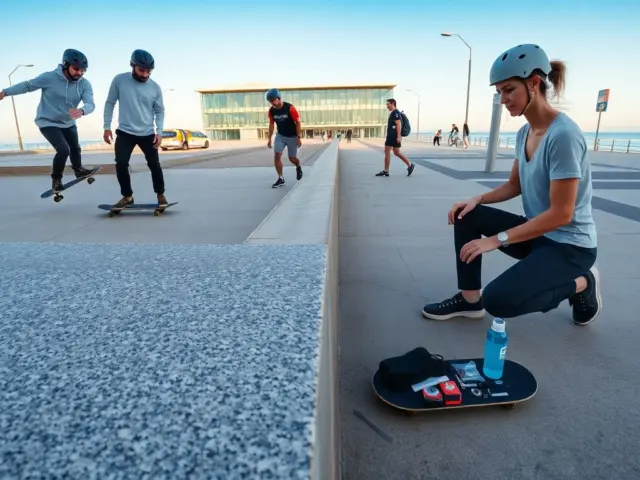
Skateparks also serve as social gathering places. Young people can meet after school, practice with friends, watch experienced riders, and participate in community events.
Some organizations have taken this idea further by using skateboarding as a way to support youth development. For example, Skateistan combines skateboarding with educational activities to create opportunities for children and young people in different communities. Its work demonstrates how recreational sports can encourage participation, inclusion, and personal growth.
When communities invest in accessible recreational spaces, they make it easier for more young people to discover skateboarding.
More Girls Are Becoming Part of Skateboarding Culture
For many years, skateboarding was commonly viewed as a male-dominated activity. However, participation among girls and young women has become increasingly visible, particularly through international competitions and community programs.
Professional skateboarders such as Sky Brown and Rayssa Leal have helped inspire younger generations through their achievements. Their performances demonstrate that dedication, practice, and creativity matter more than traditional assumptions about who can participate in the sport.
This growing visibility can make a meaningful difference for beginners. Seeing successful female skateboarders encourages more girls to consider trying the activity and becoming part of local skating communities.
Beginner-friendly programs, supportive groups, and inclusive skateparks also help create welcoming environments. These opportunities allow participants to develop their abilities without feeling pressured to compete or reach a particular skill level.
As more people from different backgrounds join skateboarding, the community becomes more diverse. New perspectives and individual styles continue to influence how the sport develops.
Physical Activity and Confidence Make Skateboarding Attractive
Apart from its cultural influence, skateboarding offers several physical and personal benefits that appeal to young people. It involves movement, balance, coordination, and body control, making it an engaging alternative to activities that involve sitting for extended periods.
Learning to skateboard also requires patience. Beginners may initially struggle to remain balanced, control their speed, or perform simple movements. However, regular practice allows them to become more comfortable and develop better control.
The process of learning new skills can also strengthen confidence. Successfully completing a movement that once seemed difficult gives young skateboarders a sense of achievement. These small improvements encourage them to keep practicing and approach new challenges with greater determination.
Skateboarding can also provide a refreshing break from academic responsibilities and digital entertainment. Spending time outdoors and participating in an activity with friends offers opportunities for physical movement and social interaction.
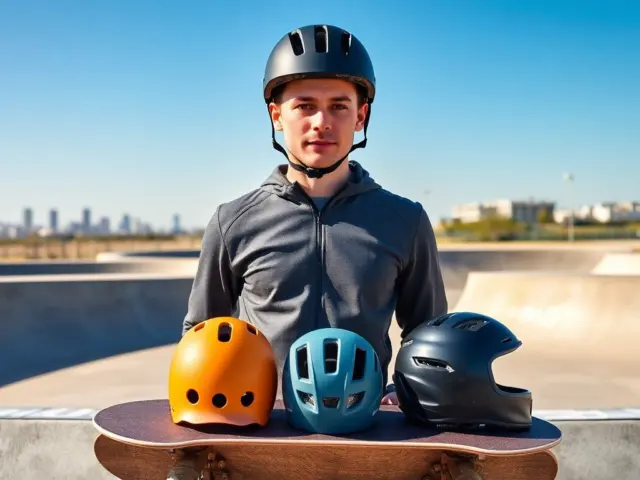
Safety should remain a priority throughout the learning process. Beginners should wear properly fitted helmets, wrist guards, knee pads, and elbow pads. They should also practice in appropriate areas and learn basic stopping and falling techniques before attempting advanced tricks.
Parents and Schools Can Help Introduce Skateboarding
As skateboarding becomes more popular, parents and schools have opportunities to introduce it to younger generations.
Parents can encourage children to explore the activity by helping them find beginner-friendly programs, selecting suitable equipment, and identifying safe places to practice. Children do not need to become competitive athletes to benefit from the experience. Simply learning how to ride comfortably can make skateboarding an enjoyable hobby.
Schools can also consider including skateboarding in extracurricular activities or partnering with local sports organizations. These opportunities allow students to explore something different from traditional team sports while developing coordination and confidence.
It is important to respect each child’s interests and learning pace. Some children may enjoy casual riding, while others might become interested in learning tricks or participating in competitions. Allowing them to choose their own goals helps keep the experience positive.
With appropriate guidance and supportive environments, skateboarding can become a valuable recreational option for children and teenagers.
What the Future Holds for Skateboarding
The future of skateboarding looks promising as international recognition, digital communities, and recreational facilities continue to develop. Its Olympic presence has introduced the sport to new audiences, while social media has made it easier for young people to discover techniques, events, and communities.
Local skateparks and community organizations will remain important in supporting this growth. They provide the physical spaces and social connections that online platforms alone cannot offer.
There may also be more opportunities for young skateboarders to explore different pathways, from recreational participation to professional competitions, coaching, and involvement in skateboarding-related creative industries.
As the sport reaches more countries and communities, its culture will continue to evolve. New generations will bring their own ideas, styles, and influences, ensuring that skateboarding remains dynamic and relevant.
Conclusion
The growing popularity of skateboarding among young people worldwide reflects its ability to combine sport, creativity, independence, and social connection. From local skateparks to international competitions, the activity offers different opportunities for young people to stay active, develop skills, and connect with others.
Its appeal goes beyond performing tricks or becoming a professional athlete. For many, it is simply about enjoying time outdoors, learning something new, and gaining confidence through practice.
With continued support from families, schools, and local communities, skateboarding is likely to attract even more young participants and maintain its place as an influential part of modern youth culture.