Because skaters need reliable traction, long-lasting uppers, and precise board feel, they wear skate shoes that are built specifically for skating rather than regular sneakers. These shoes prioritize grip, durability, and protection so riders can land tricks, resist wear from griptape, and reduce foot injuries. The rest of the article breaks down how each feature helps performance and how to pick the right pair.
Key Takeaways
- Skaters wear skate shoes primarily for enhanced grip and board control, with soles designed to maximize contact and provide precise feedback for tricks.
- Durability is crucial because skateboarding wears out shoes quickly, so skate shoes use reinforced materials and construction to withstand wear from griptape and impacts.
- Suede is the most popular material for skate shoes due to its balance of grip, abrasion resistance, and tactile board feel, while leather and canvas offer durability and breathability options.
- Effective skate shoes balance cushioning and board sensitivity by protecting the heel with impact materials while keeping the forefoot thin for better control.
- Choosing the right skate shoes involves finding a snug fit for stability, considering sizing with socks and insoles, and inspecting build quality like stitching and sole bonding.
- Cupsole and vulcanized sole designs offer different benefits—cupsoles provide more cushioning and durability, while vulcanized soles deliver superior board feel preferred for technical skating.
Grip And Board Control — The Primary Reason
Quick Facts
- Skate shoes maximize board contact through specially designed soles and tread patterns.
- Suede and gum rubber are common materials for improved grip.
- A low-profile sole improves board feel for flip tricks.
- Grip matters more than cushioning for many technical skaters.
Skaters prioritize grip because it directly affects how well they can manipulate the board. A grippy outsole, often softer rubber or gum rubber, sticks to grip tape, letting the rider feel subtle foot movements and execute flips, flicks, and slides. A thinner, low-profile sole increases board control: the foot sits closer to the deck, giving faster feedback. While thicker soles can add protection, they reduce sensitivity. For most street and technical skaters, maintaining direct contact with the board is the main reason to choose skate-specific shoes.
Durability And Construction — Protecting Feet And Shoes
Skateboarding wears out shoes fast: griptape scuffs the toe, ollies stress the vamp, and impacts can separate soles. Skate shoes use reinforced construction, double stitching, toe caps, and layered materials, to resist those stresses. Reinforcements focus on high-wear zones so the shoe lasts longer and keeps the foot safer.
Beyond longevity, construction choices affect performance. A well-built shoe prevents early sole delamination and maintains consistent board feel even though weeks of skating. For skaters who practice the same tricks repeatedly, durability translates into savings and fewer interruptions for replacement.
Suede Vs. Canvas Vs. Leather — What Lasts And Why
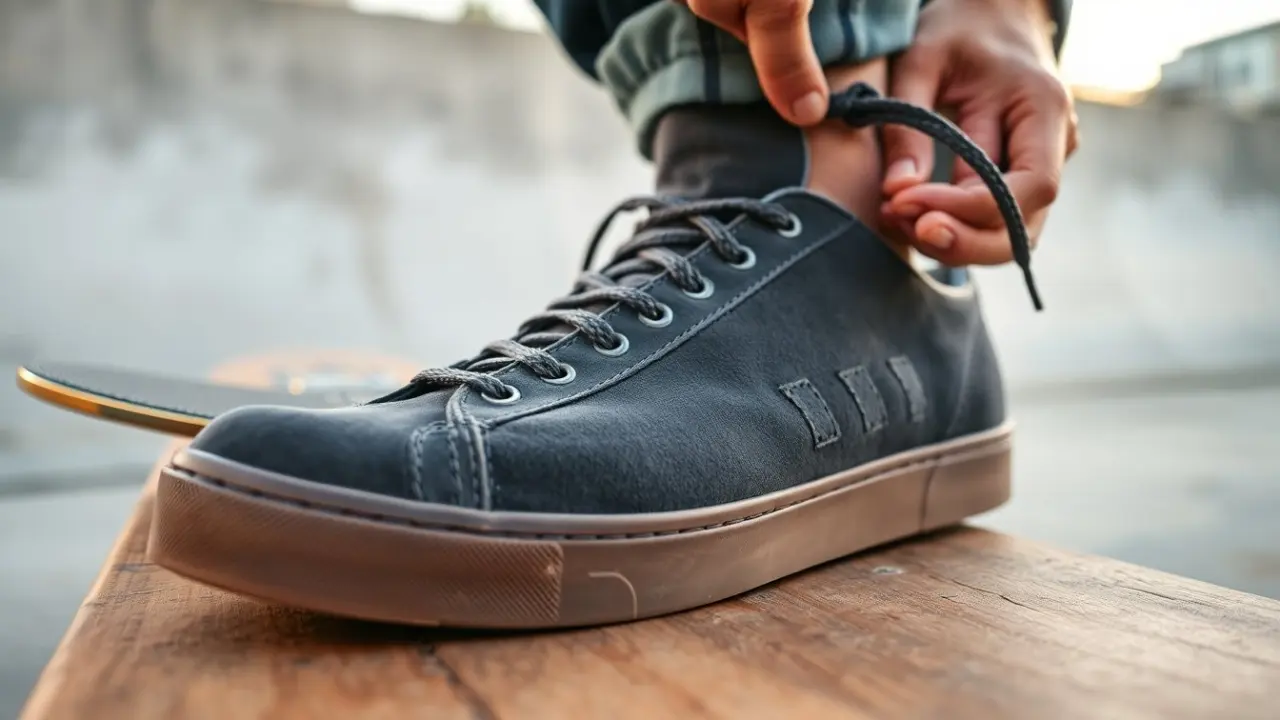
Suede is the most common material because it balances grip and abrasion resistance: it wears predictably and gives good tactile feedback on the board. Canvas is lighter and breathes better but tears faster around the toe and sides, making it a budget-friendly option for casual riders. Leather offers excellent durability and water resistance: it’s stiffer at first but softens with wear and protects against repeated impacts. Many models mix materials, suede overlays with canvas panels, to combine breathability with reinforced high-wear areas.
Cushioning, Support, And Impact Protection
Skate shoes balance cushioning and responsiveness. Too much foam reduces board feel: too little increases impact transmitted to the feet and ankles. Manufacturers place impact protection, like EVA footbeds, gel inserts, or molded heel cups, under the heel where landings concentrate force, while keeping the forefoot thin for control. Some models add arch support or firmer midsoles to stabilize the foot during flip tricks and rotations. Eventually, the right blend depends on whether a skater prefers technical street skating (leaner, more feel) or transition/vert skating (more padding and support).
Sole Designs: Cupsoles Vs. Vulcanized Soles
Cupsoles are molded shells that wrap the foot and often include thicker midsoles, they provide impact protection and structure, useful for skaters who prioritize cushion and durability. Vulcanized soles are thinner, bonded directly to the upper, and offer superior board feel and flexibility, which many street skaters prefer for flip tricks. Vulcanized shoes usually have better grip for flicks but less shock absorption. Some modern shoes blend both approaches with hybrid constructions to try and get the best of each world.
Fit, Sizing, And How To Choose Skate Shoes
Fit is central: a snug but not tight shoe keeps the foot stable without choking circulation. Skaters often select shoes slightly larger if they prefer extra room for thicker insoles, or true-to-size when they want maximum board feel. Key considerations include heel lockdown, toe box shape, and the amount of break-in required. Sizing also interacts with sock choice, thicker socks change fit, so trying shoes on with the intended socks is recommended. Finally, look for consistent stitching and a secure sole bond when assessing build quality in-store or online.
Break-In, Toe Reinforcements, And Sizing Tips
Most skate shoes need a short break-in period, suede softens and linings settle, so expect minor initial stiffness. Toe reinforcements like rubber toe caps or extra suede overlays extend life where ollies scuff, and stitched toe boxes are more durable than glued ones. Practical sizing tips: try shoes later in the day when feet swell, test with the socks intended for skating, and press the forefoot to check board feel. If a skater plans to add insoles for extra cushioning, size up slightly to maintain comfort and movement.
FAQ
Will regular sneakers work for skateboarding?
Regular sneakers can be used for casual skating, but they typically lack the grip and reinforced construction of skate shoes, so they wear out faster and offer less board control.
How often should skaters replace shoes?
Replacement depends on frequency and style: a daily skater can wear out shoes in a few months, while occasional skaters may keep a pair for a year or more. Replace shoes when sole grip drops or structural damage appears.
Are thicker soles better for beginners?
Thicker soles add protection and comfort for beginners who land awkwardly, but they reduce board feel. Beginners who focus on learning basics might prefer moderate cushioning and good fit over very thick soles.
Why Do Skaters Wear Skate Shoes? Frequently Asked Questions
Why do skaters choose skate shoes over regular sneakers?
Skaters wear skate shoes because they offer superior grip, durability, and board feel compared to regular sneakers. They have reinforced construction and special soles that enhance traction and protect feet during tricks.
How do skate shoes improve grip for better board control?
Skate shoes use specialized soles made from materials like gum rubber and suede with tread patterns that stick to grip tape, allowing skaters to feel subtle foot movements and perform precise tricks more easily.
What role does shoe durability play in skateboarding performance?
Durability is crucial as skating quickly wears out shoes. Reinforced stitching, toe caps, and layered materials help skate shoes resist damage from impacts and griptape, extending shoe life and maintaining consistent board feel.
How does the sole type affect skate shoe performance?
Vulcanized soles are thinner and flexible, providing better board feel for technical tricks, while cupsoles offer more cushioning and impact protection. Some shoes combine both for balance between feel and durability.
Can regular sneakers be used for skateboarding instead of skate shoes?
While regular sneakers can be used casually, they lack the grip, protection, and reinforced build of skate shoes. This leads to faster wear and less board control, making skate shoes the better choice for skating.