When people ask who invented skateboarding, the short answer is: no single person can claim the credit. Skateboarding emerged from a mix of surfers, tinkerers, and wheelmakers in California who adapted ideas over decades. The sport grew through incremental improvements, homemade boards, commercial manufacturing, new wheels, and cultural moments that turned a pastime into a global youth movement.
Quick Facts
- Skateboarding began as sidewalk surfing in California in the 1920s–1950s.
- The first commercial skateboard parts appeared in the 1950s: the modern sport surged in the 1970s.
- Urethane wheels and skateparks in the 1970s reshaped performance and style.
- The Zephyr team helped define modern skate culture and street style.
Key Takeaways
- Skateboarding originated in California as a blend of surfing culture and homemade boards from the 1920s to 1950s, evolving gradually rather than being invented by one person.
- Larry Stevenson played a key role in commercializing skateboarding by introducing the kicktail and standardizing parts, advancing the sport beyond a simple pastime.
- The 1970s revolutionized skateboarding with urethane wheels and skateparks, dramatically improving performance and popularizing the sport globally.
- The Zephyr team helped define modern skateboarding’s style and culture, mixing surfing roots with aggressive street and pool riding techniques.
- Skateboarding’s invention is evolutionary, shaped by multiple innovators, cultural shifts, and equipment advancements over decades.
- Skateboarding’s worldwide spread ties to its accessibility and appeal as a form of youth expression, influenced by media, fashion, and community innovation.
Early Roots: Surfing On Land And The First Homemade Boards (1920s–1940s)
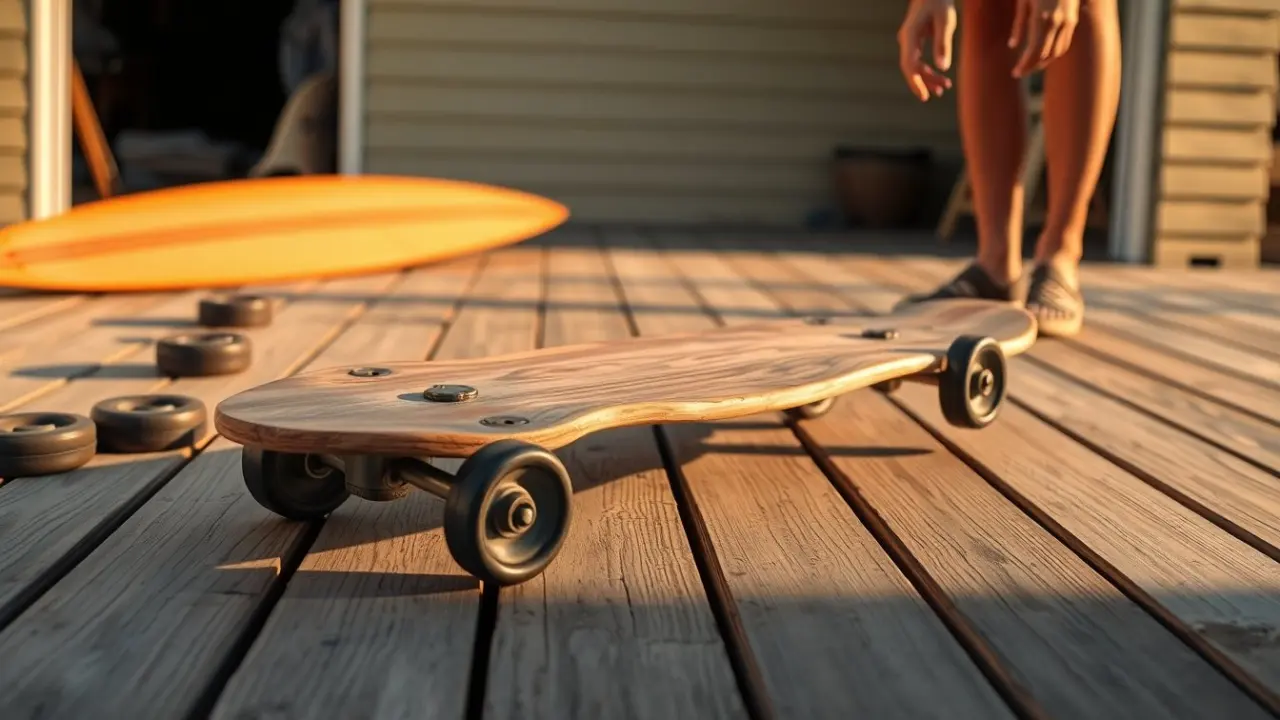
Before commercial models existed, young people in coastal communities wanted to replicate surfing when the ocean was calm. They strapped roller-skate trucks to wooden boards or repurposed crate and plank wheels, creating crude but effective riding platforms. These homemade boards were uneven and unsafe by modern standards, but they established core ideas: balance, carving, and improvisation. Newspapers and photos from the 1930s and 1940s show children riding boards in American cities, hinting that skateboarding’s origins are more communal evolution than a single inventor. The emphasis was on play and experimentation.
1950s–1960s: Backyard Innovators, Commercial Starts, And ‘Sidewalk Surfing’
As surf culture boomed in the 1950s and 1960s, so did interest in land-based riding. Small shops and entrepreneurs began selling wooden boards with attached roller-skate wheels: magazines coined terms like sidewalk surfing to describe the activity. Skateboards were still basic, narrow, hard-wheeled, and often homemade or minimally manufactured, but demand signaled a market shift. Local skate crews formed in California neighborhoods, experimenting with tricks and pushing the idea that skateboarding could be an identity, not just a toy. Safety gear was minimal, and riders learned mostly by trial and error.
Key Figures And Innovations: Larry Stevenson, The Kicktail, And Early Manufacturers
Larry Stevenson is often cited as a pivotal commercial figure rather than the lone inventor: he founded Makaha and later introduced the kicktail, a raised end that made ollies and maneuvers easier, and patented skate-related hardware in the 1960s. Other early manufacturers, Makaha, Hobie, and later companies, helped standardize parts and distribution. These developments moved skateboarding from homemade experimentation to a purchasable activity, enabling wider adoption and more consistent equipment for riders who wanted to progress beyond basic cruising.
The 1970s Explosion: Urethane Wheels, Skateparks, And The Zephyr Influence
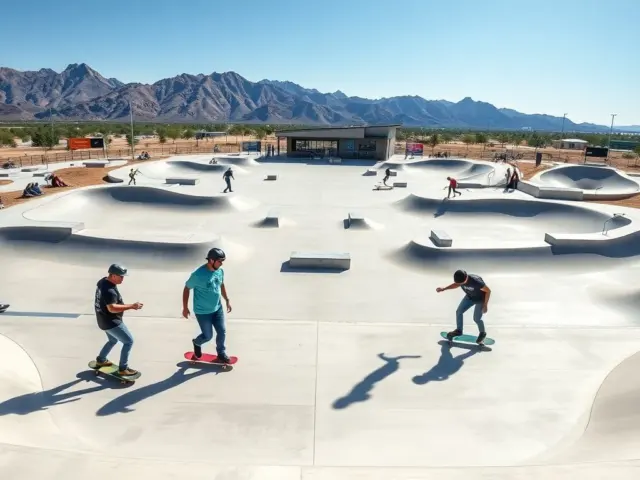
The 1970s were transformative. Urethane wheels, softer, grippier, and smoother than previous metal or clay wheels, dramatically improved performance and control. Skate manufacturers like G&S and others produced boards built for speed and carving, while backyard pools and purpose-built skateparks gave riders new terrain to explore. The combination of better equipment and purpose-built spaces turned skateboarding into an athletic, stylistic pursuit. The 1970s also saw the beginnings of organized competitions and a clearer skateboarding subculture that blended athleticism with rebellion.
The Zephyr Team And Skateboarding’s Modern Identity (Tony Alva, Jay Adams, Stacy Peralta)
The Zephyr Skateboard Team, assembled in Venice, California, gave skateboarding a distinct persona. Riders like Tony Alva, Jay Adams, and Stacy Peralta mixed surfing aesthetics with aggressive street and pool riding, amplifying style as much as skill. Their high-energy approach and local fame helped popularize vertical skating and street techniques, influencing generations of riders and filmmakers. The Zephyr team’s DIY ethic and media presence made skateboarding feel like a cultural movement rather than merely a sport or hobby.
Who Really ‘Invented’ Skateboarding? Inventor Versus Evolutionary Invention
Calling skateboarding the invention of one person misses how the activity evolved. The sport is better described as an evolutionary invention: many actors, kids repurposing roller skates, small manufacturers, surfers adapting to land, and innovators like Larry Stevenson, each contributed key elements. Patents and early companies mattered for dissemination, but cultural innovators and grassroots scenes shaped form and technique. Invention here is distributed: equipment, places, and personalities combined gradually to create what’s now recognized as skateboarding.
How Skateboarding Spread Worldwide And Shaped Youth Culture
Skateboarding spread through magazines, films, competitions, and word of mouth, then later via videos and the internet, allowing styles and tricks to cross continents. As cities adapted public spaces and youth adopted skateboarding for self-expression, it became tied to music, fashion, and street art. The sport’s accessibility, needing only a board and a spot to ride, helped it travel across socioeconomic boundaries. Today, skateboarding’s global presence reflects its layered history: grassroots invention, commercial development, and cultural reinvention by successive generations of riders who keep reshaping what skating can mean.
Frequently Asked Questions About Who Invented Skateboarding
Who invented skateboarding?
Skateboarding was not invented by a single person. It evolved over decades through the efforts of surfers, tinkerers, and manufacturers in California who adapted ideas and created new equipment and styles.
What role did Larry Stevenson play in the invention of skateboarding?
Larry Stevenson was a key commercial figure who founded Makaha and introduced the kicktail in the 1960s, enabling easier tricks and maneuvers, helping skateboarding transition from homemade boards to standardized products.
How did skateboarding develop in the 1970s?
The 1970s saw major advances like urethane wheels, purpose-built skateparks, and the rise of influential teams like the Zephyr crew, which transformed skateboarding into an athletic and cultural movement.
What is meant by skateboarding as an ‘evolutionary invention’?
Skateboarding is considered an evolutionary invention because it emerged from many contributors over time—surfers, kids modifying roller skates, manufacturers, and cultural innovators—rather than a sole inventor.
How did skateboarding spread and influence youth culture worldwide?
Skateboarding spread globally through magazines, films, competitions, and later the internet, becoming linked to music, fashion, and street art, and appealing to diverse socioeconomic backgrounds as a form of self-expression.
What were some of the earliest forms of skateboarding before commercial boards?
Before commercial skateboards, young people in coastal areas in the 1920s–40s strapped roller skate wheels to wooden boards or crates to imitate surfing, focusing on balance and carving with homemade, uneven boards.