What is goofy stance in skateboarding appears as a common question for new riders. The phrase helps people describe foot placement on the board. This guide gives a clear definition. It gives origin notes and quick tests. It helps readers find which foot should lead. It keeps language simple and gives practical steps for practice.
Key Takeaways
- Goofy stance in skateboarding means riding with the right foot forward, contrasting with the regular stance where the left foot leads.
- To determine if you ride goofy, perform simple tests like pushing off with one foot or observing natural foot preferences in activities like walking or kicking.
- Proper foot placement in goofy stance involves positioning the front foot near the front bolts and the back foot on the tail with knees bent and eyes forward for balance.
- Starting with basic moves such as pushing, rolling, and kickturns helps goofy riders build confidence and control on the board.
- Practicing stance switching by riding switch and fakie improves versatility and helps skaters become more adaptable.
- Filming practice sessions and seeking feedback can refine technique, promote safety, and accelerate progress in developing a comfortable goofy stance.
What Goofy Stance Means: Definition, Origins, And How It Differs From Regular
What is goofy stance in skateboarding means riding with the right foot forward. The rider places the front foot near the bolts and the back foot near the tail. The term contrasts with regular stance, which means the left foot leads. The name “goofy” dates to a 1930s surf cartoon where a character rode with the right foot forward. The skate community adopted the term later.
Skate coaches describe stance by which foot feels natural to push with. If the rider pushes with the right foot, they usually ride goofy. If the rider pushes with the left foot, they usually ride regular. The stance affects balance and trick choice. The rider keeps most weight over the front foot for cruising. The rider shifts weight to the back foot for pop and turning.
Goofy stance does not make a rider better or worse. Many top skaters use goofy stance. The term only names foot position. The rider may switch stances for tricks. The rider may develop a false confidence in one stance. The rider then trains both stances for versatility. The rider finds comfort by testing natural push and balance.
How To Tell If You’re Goofy: Simple Tests, Observational Clues, And Common Signs
To answer what is goofy stance in skateboarding, the rider can run quick tests. The rider steps on a skateboard and relaxes. The rider asks which foot wants to be forward. That foot becomes the lead. The rider also tries the push test. The rider stands and pushes off with one foot while the other stays on the ground. If the rider pushes with the left foot, the right foot will lead on the board and the rider is goofy.
Parents and coaches can watch natural actions to check stance. The rider will often start walking or slide on ice with the same lead foot. The rider may kick a ball with one foot and favor the other as the lead. The rider may ride a scooter: the lead foot there usually matches the skateboard lead. Observational clues include which foot the rider places first when stepping onto a curb.
Common signs also appear in balance tests. The rider who balances longer on the right foot often rides regular. The rider who balances longer on the left foot often rides goofy. The rider should try both stances for a few minutes each. The rider then picks the stance that feels easier, safer, and more stable. The rider accepts that initial choice can change with training.
Learning And Progress Tips For Goofy Riders: Foot Placement, Tricks To Start With, And Stance Switching Advice
Many beginners ask what is goofy stance in skateboarding and then want practice tips. The rider should set front foot near the front bolts at a slight angle. The rider should place the back foot on the tail with toes near the edge. The rider should keep knees bent and eyes forward. The rider should practice rolling slowly to feel balance.
Start with basic moves. The rider should practice pushing, rolling, and carving. The rider should learn how to pump on transitions. The rider should practice ollies with the goofy front foot slightly turned. For first tricks, the rider should try kickturns and manuals. The rider should use soft wheels for smoother learning.
The rider should work on stance switching. The rider practices riding fakie by rolling backward and staying relaxed. The rider practices riding switch by placing the opposite foot forward and repeating basic drills. The rider practices small pop shuv-its and shove-its in both stances. The rider keeps sessions short and repeats simple moves often.
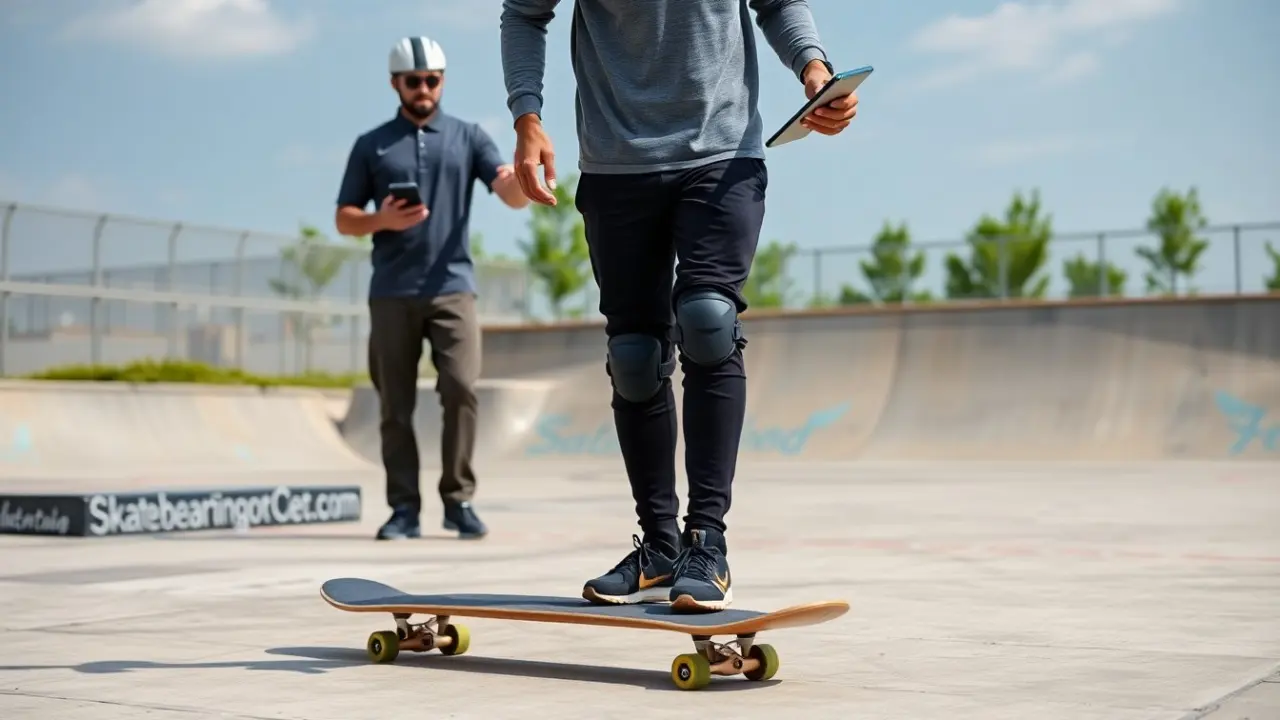
The rider should film practice to spot errors. The rider should check foot placement, weight distribution, and timing. The rider should stretch and strengthen ankles to reduce injury risk. The rider should find a coach or an experienced skater for feedback. The rider stays patient. The rider treats stance as a personal habit that grows with practice.