What is fakie in skateboarding is a common question for riders who change direction without switching stance. The term describes riding with the rider’s normal stance but moving backward. This short guide defines fakie, shows how it differs from switch and nollie, and gives clear practice steps. It aims to help riders build control, learn core tricks, and progress safely. Below you will find practical breakdowns of technique, common progression routes, and troubleshooting tips to make fakie feel like a natural part of your repertoire.
Key Takeaways
- Fakie in skateboarding means riding backward in your normal stance, enhancing board control and trick versatility.
- Unlike switch or nollie, fakie involves maintaining your usual foot positioning while rolling backward, which improves balance and adaptability.
- To ride fakie, position your feet as usual, gently push the tail to roll backward, keep your knees bent, and look over your shoulder to maintain balance.
- Start learning fakie with simple tricks like fakie ollies and manuals before progressing to more complex moves like fakie 180s and fakie flips.
- Practice fakie consistently with short sessions, use video feedback to refine technique, and always wear protective gear to accelerate progress safely.
What Fakie Means: Definition, Origins, And Why It Matters
Fakie means a rider rolls backward while keeping the usual stance. Early skateboarders used the term in the 1970s. Skate magazines and contest judges adopted the word as tricks grew more varied. Riders value fakie because it changes how they approach speed, balance, and rotation. Learning fakie improves board feel. It helps when a trick lands with backward momentum or when a rider wants varied trick entry. Coaches often ask riders to practice fakie to strengthen control and adaptability on ramps and ledges.
More than a novelty, fakie is a foundational skill that affects many trick variations. Because the feet remain in the established stance, the muscles and reflexes you already have are used in a different directional context. That subtle change challenges timing—pop, weight distribution, and shoulder alignment all feel different when moving backward—and mastering it can open up lines and combos you couldn’t access otherwise. For example, linking a fakie ollie into a fakie manual or a fakie boardslide creates smoother runs in park and street sessions.
Fakie Versus Switch And Nollie: Key Differences Explained
Fakie differs from switch and nollie in stance and direction. Fakie uses the rider’s normal stance and moves backward. Switch uses the opposite stance while moving forward. Nollie uses the front foot to pop the board while moving forward. Judges score fakie tricks by entry and exit control. Riders choose fakie when they want to keep their strong foot forward but ride backward. Switch tests symmetry and balance because the rider moves in the opposite stance. Nollie tests popping skill with the front foot.
To make the differences concrete: picture an ollie. A fakie ollie is performed while rolling backward with your usual feet; the motion of the board and your shoulders feels reversed compared to a regular ollie. A switch ollie is performed forward but with your feet swapped, so your weaker foot must lead the motion. A nollie is forward but the pop comes from your front foot at the nose. Each variation trains different muscle patterns and timing—practicing them all improves overall board control and reduces plateaus.
How To Ride Fakie: Stance, Foot Placement, And Balance Fundamentals
A rider must set feet in the normal stance and then push the tail gently to roll backward. The back foot should sit near the tail edge. The front foot should rest near the front bolts to steer. Eyes should look over the shoulder toward travel direction. Knees should bend slightly to absorb bumps. Shoulders should stay aligned with the board. The rider should keep weight centered to avoid tail stalls or nose drags. Practice small rolls and short stops until balance feels consistent.
Drills to develop the basic feel: (1) stand still in your normal stance and rock the board slightly backward and forward to sense tail pressure; (2) take very short fakie pushes on flat ground, focusing on keeping your weight over the trucks; (3) practice rolling fakie for five to ten feet and then performing a controlled stop using a foot brake or a gentle turn. Pay attention to common mistakes: looking directly down or keeping your torso twisted can throw you off line; placing too much weight on the tail leads to tail stalls; standing too upright reduces stability. Keep your shoulders relaxed and use small, deliberate movements until stability is reliable.
Common Fakie Tricks And Progression Path (From Easy To Intermediate)
Begin with simple fakie ollies and fakie manuals. Next practice fakie 180s and fakie shuvits. After those, try fakie flips and fakie boardslides on small ledges. Progress in steps: master balance, then add pop, then add rotation. A rider should record sessions to watch foot placement and timing. Coaches recommend sets of short runs instead of long tired sessions. Consistent reps and small goals yield steady improvement and fewer injuries.
Suggested progression plan:
- Foundation: sustained fakie rolls, controlled stopping, and fakie tic-tacs to develop directional comfort.
- Beginner tricks: fakie ollie (small pop), fakie manual (balancing on back truck while moving backward).
- Intermediate tricks: fakie 180 (rotate shoulders and board 180 while staying in fakie direction), fakie shuvit (spin the board beneath you while riding fakie).
- Early flip attempts: take fakie ollies higher and add slight flicks to attempt simple flip variations on forgiving surfaces.
When attempting ledge or rail work, start with small obstacles and low speeds. Building confidence on flat ground first reduces risk when transferring tricks to obstacles. Review video to analyze where the pop, shoulders, and foot flick differ from your regular stance tricks—often timing is off by a fraction of a second and that is what stops the trick from committing.
Practical Tips For Learning Fakie Safely And Accelerating Progress
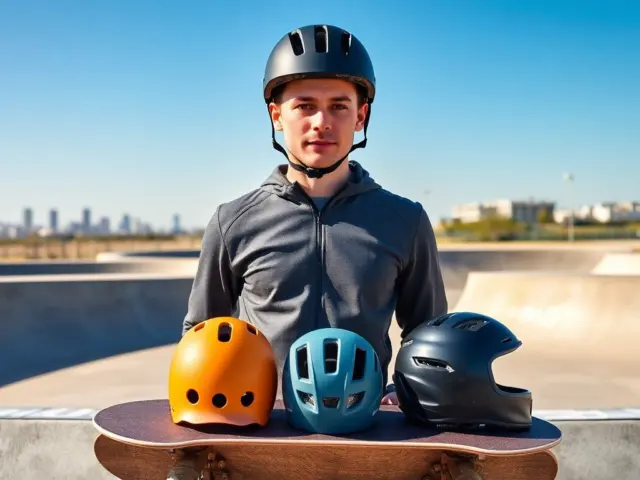
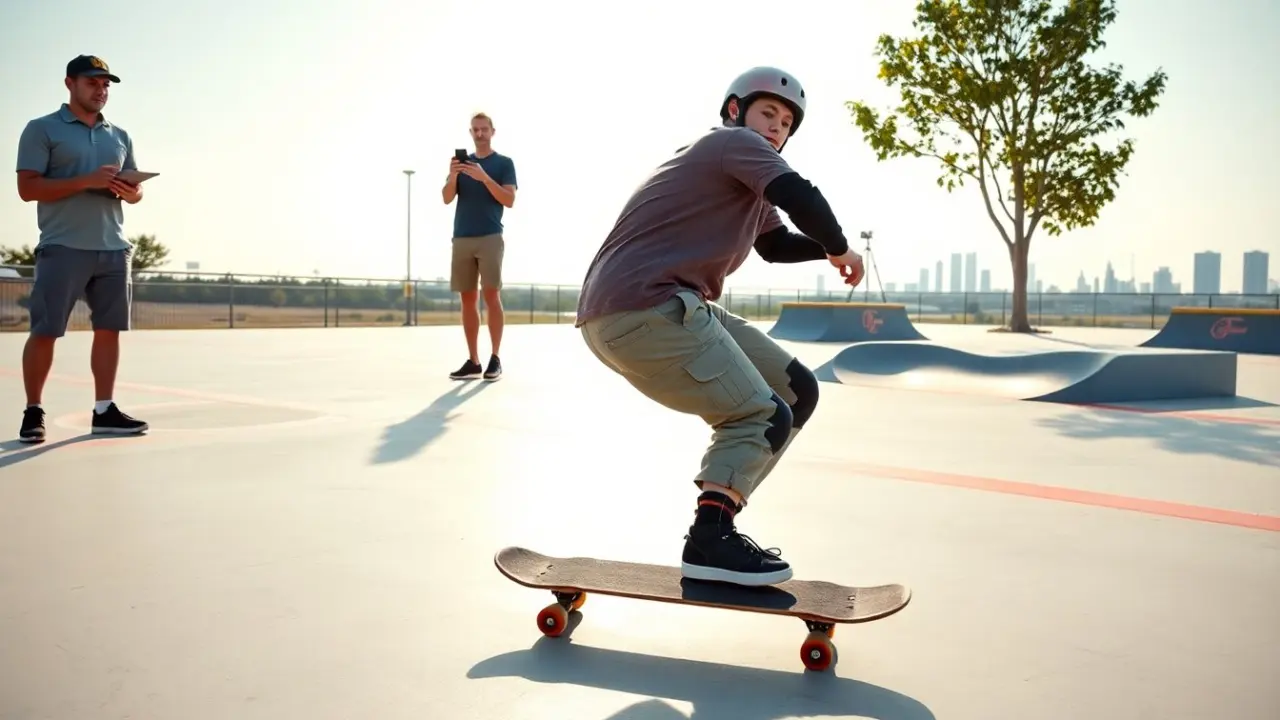
Wear pads and a helmet when trying new fakie moves. A rider should warm up with regular stance tricks before switching to fakie practice. Start on flat ground then move to a gentle ramp. Use video to check stance, timing, and foot path. A rider should focus on small, frequent sessions rather than long, rare sessions. Keep a practice log to track reps and errors. Work with a partner or coach who can give immediate feedback. Rest when muscles tire to avoid sloppy landings.
Additional practical tips:
- Set specific micro-goals for each session (for example: five clean fakie ollies or three controlled fakie manuals of five seconds each).
- Use visual cues: mark a line or cone to aim for when rolling fakie to improve straightness and stopping precision.
- Slow-motion video helps identify subtle timing differences—compare a regular trick and its fakie counterpart side-by-side to spot what changes in your shoulders, knees, and foot snap.
- Cross-train mobility and ankle stability off the board to reduce the chance of sprains when you land awkwardly while learning.
- If you feel inconsistent, reduce speed and focus on form. It’s better to land a clean, slow fakie trick than to force a fast one and develop bad habits.
By expanding your practice to include drills, deliberate progression, and careful self-review, what is fakie in skateboarding will stop being a question and become a dependable tool in your skating. Stick to short, regular sessions, prioritize safety, and celebrate incremental progress—those small gains compound into more advanced fakie tricks over time.