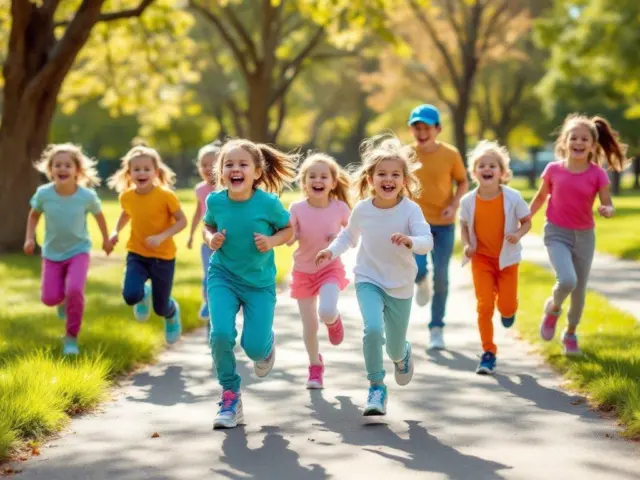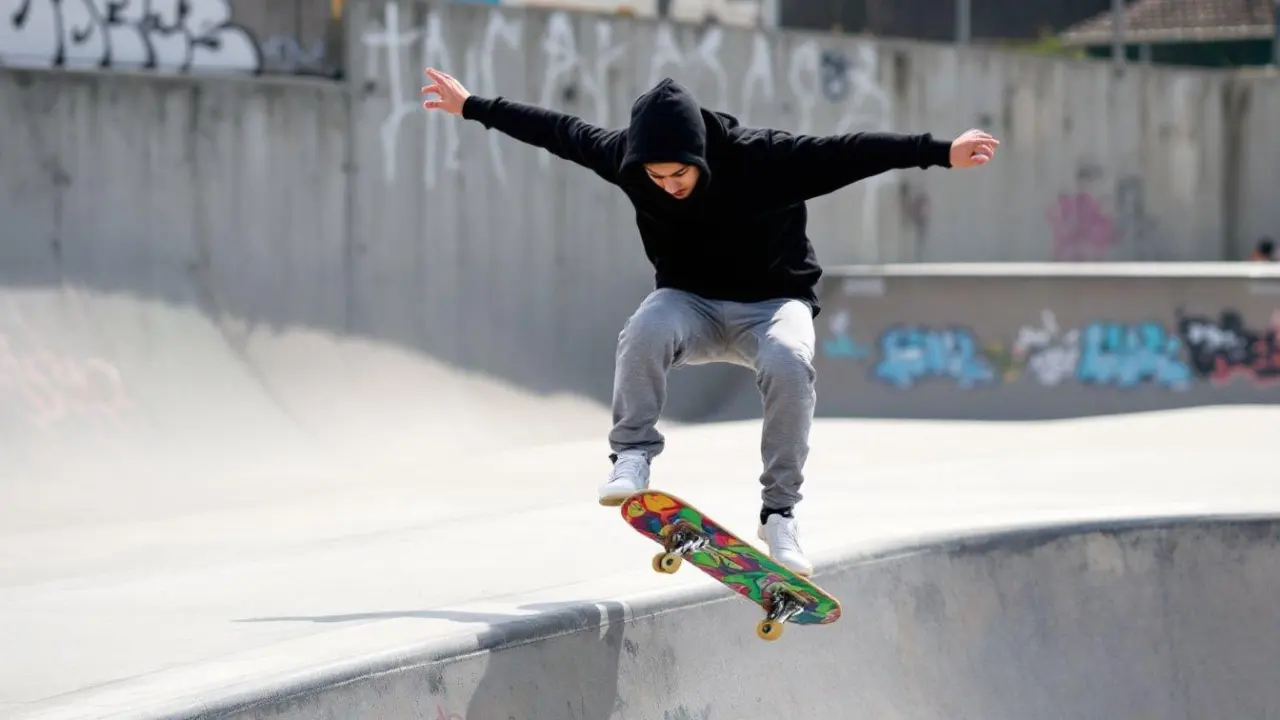
Skateboarding can be an exciting activity for children, offering opportunities to stay active, develop coordination, and build confidence. From learning how to balance on a board to gradually mastering new tricks, young skateboarders often enjoy the sense of achievement that comes with improving their skills. However, spending time on a skateboard does not mean children should limit themselves to just one sport.
Exploring different physical activities can introduce children to new experiences, movement patterns, and social environments. Swimming, archery, cycling, football, and other recreational activities offer different challenges that can complement the abilities developed through skateboarding. Trying something unfamiliar also gives children opportunities to discover interests they might not have considered before.
Encouraging young skateboarders to explore other sports is not about replacing their favorite activity. Instead, it is about helping them develop a broader range of abilities, maintain an active lifestyle, and enjoy different ways of learning and playing.
Different Sports Help Develop a Wider Range of Physical Skills
Skateboarding involves balance, coordination, body control, and quick reactions. Children gradually improve these abilities as they practice riding, turning, stopping, and performing different movements. However, every sport places different demands on the body, which means exploring other activities can help develop additional physical skills.
For example, swimming involves coordinated movements of the arms and legs while maintaining body position in the water. Cycling encourages balance and control, while activities such as basketball and football involve running, changing direction, and responding to other players.
Experiencing these different movements can help children become more comfortable with physical challenges. They learn that being active does not always involve using the same techniques or following the same routines.
The American Academy of Pediatrics encourages young athletes to participate in different sports and activities during childhood. Exposure to varied physical experiences can support broader skill development and make participation more enjoyable over time.
Swimming Introduces Children to a Different Physical Environment
One interesting activity for young skateboarders to explore is swimming. Although it is very different from skateboarding, swimming provides opportunities to develop coordination, body awareness, and physical endurance in a completely different environment.
On a skateboard, children focus on maintaining balance while moving across a solid surface. In swimming, they must learn how to control their movements in water, coordinate their breathing, and become comfortable with different strokes. These experiences introduce challenges that cannot be found in most land-based activities.
Swimming can also be a useful recreational activity during warmer months or school holidays. Children can enjoy time in the pool with family members while gradually becoming more familiar with water-based activities.
For beginners, structured instruction can make the learning process more comfortable. Age-appropriate beginner swim lessons can introduce children to basic water skills, including floating, kicking, breathing techniques, and safe movement in the pool.
Parents should remember that swimming lessons and water safety supervision are important regardless of a child’s confidence around water. Even children who are physically active or comfortable with other sports need time to develop swimming skills.
Trying a New Sport Can Build Confidence
Children often feel confident when participating in activities they already know. A young skateboarder who can ride comfortably or perform a few tricks may feel proud of those abilities. However, starting a completely different sport can introduce a new learning experience.
At first, children might find it difficult to understand the rules, movements, or equipment involved in another activity. They may need guidance, practice, and encouragement before becoming comfortable. Working through these early challenges can help them become more confident when facing unfamiliar situations.
For example, a child who has spent months improving their skateboarding balance may initially feel uncertain when trying a new activity. With patience and regular practice, they can begin to recognize their progress and appreciate the effort involved in learning something different.
These experiences can also help children understand that making mistakes is a normal part of development. Rather than expecting immediate success, they gradually learn to value improvement and persistence.
Archery Encourages Focus, Patience, and Body Control
Not every sport requires continuous movement or fast reactions. Some activities introduce children to a different pace and encourage them to concentrate on accuracy, technique, and controlled movements.
Archery is one example. It requires participants to pay attention to their stance, posture, hand positioning, and aiming technique. Unlike skateboarding, where movement and balance are central to the experience, archery places greater emphasis on controlled actions and concentration.
For children who enjoy learning new skills, this can be an interesting change of pace. They get an opportunity to practice patience, follow instructions, and work toward improving accuracy over time.
Parents interested in introducing this activity can explore learning archery with an instructor, where children can receive guidance on basic techniques, appropriate equipment, and safe participation.
Professional instruction is particularly important for beginners because archery equipment requires careful handling. Children should learn in a supervised environment and use equipment appropriate for their age and ability.
Different Activities Can Help Prevent Boredom
Even children who genuinely enjoy skateboarding may occasionally want a change in their routine. Repeating the same activity every day can become less exciting, particularly when progress feels slow or certain skills prove difficult to master.
Introducing another sport gives children something different to look forward to. They might enjoy spending one afternoon at a skatepark and another participating in a swimming session, cycling with family, or playing a team sport with friends.
Having different activities available also makes it easier to stay physically active throughout the year. Weather conditions, school schedules, and access to suitable facilities can sometimes affect opportunities to skateboard. Other sports can provide alternative ways to remain engaged and active.
The key is to keep participation enjoyable rather than filling every available afternoon with organized activities. Children should have enough time for rest, free play, schoolwork, and other interests.
Playing Different Sports Creates More Opportunities for Social Interaction
Skateboarding often brings children together through shared interests. They meet other riders, exchange advice, practice tricks, and encourage each other to improve. Exploring additional sports can expand these social opportunities even further.
Team sports introduce children to cooperation, communication, and shared responsibilities. They learn how to work with others, follow instructions, and contribute toward a common goal.
Individual activities offer different social experiences. Children attending swimming classes or archery sessions may meet participants with different interests and backgrounds. These interactions can help them become more comfortable communicating with new people.
Participating in different sports can also introduce children to new friendships outside their usual social circles. Meeting people through shared activities gives them opportunities to learn from others and develop a stronger sense of belonging.
A Variety of Sports Can Support Long-Term Physical Development
One important reason to encourage children to explore different sports is that each activity develops different movement patterns. Relying on just one type of physical activity may limit the range of skills children experience during their growing years.
The American Academy of Pediatrics has highlighted the potential benefits of participating in multiple sports during childhood, including reduced risks associated with early specialization, such as overuse injuries, stress, and burnout. Its guidance also emphasizes enjoyment and the development of lifelong physical activity skills.
For young skateboarders, this means that other activities can complement their favorite sport rather than compete with it.
For instance, swimming provides a different form of physical exercise, while activities involving running and jumping introduce other movement challenges. Cycling can offer another opportunity to practice balance and control.
Children do not need to participate in every available sport. A few activities that match their interests, abilities, and schedules can provide plenty of variety.
Parents Can Encourage Exploration Without Creating Pressure
Parents play an important role in helping children discover new interests. However, introducing additional sports should be a positive experience rather than another responsibility that children feel obligated to complete.
A good starting point is to talk with children about activities they would like to try. Some may be curious about swimming, while others might prefer martial arts, tennis, dance, or archery.
Parents can also look for introductory sessions or recreational programs that allow children to experience an activity before making a longer commitment. This gives them an opportunity to understand what is involved and decide whether they genuinely enjoy it.
It is equally important to consider practical factors such as location, cost, equipment, and available time. Activities should fit comfortably into the family’s routine without interfering with school responsibilities or sufficient rest.
Children should also have the freedom to continue skateboarding if it remains their favorite activity. Trying another sport does not mean they need to reduce their interest in the one they already enjoy.
Finding the Right Balance Between Skateboarding and Other Sports
The best approach is to create a balanced routine that leaves room for different interests. A child might skateboard regularly while occasionally participating in swimming, cycling, or another activity that appeals to them.
There is no universal schedule that works for every child. Age, physical development, personal preferences, and existing commitments all influence how much time they can comfortably spend on different activities.
Parents should pay attention to signs of tiredness, discomfort, or declining enthusiasm. Rest days and breaks from organized training are important, particularly when children participate in several physically demanding activities.
It is also worth remembering that children do not need to become highly skilled in every sport they try. The purpose is to introduce new experiences, encourage movement, and help them discover what they enjoy.
Conclusion
Skateboarding offers children an enjoyable way to stay active, develop coordination, and express their creativity. However, exploring other sports can make their childhood sporting experiences even more rewarding.
Swimming, archery, cycling, and team sports each introduce different skills, challenges, and social opportunities. These activities can help young skateboarders develop a broader range of abilities while discovering interests beyond the skatepark.
With encouragement and a balanced approach, parents can help children enjoy their favorite sport while remaining open to new experiences. The goal is not to turn every child into a competitive athlete but to give them opportunities to stay active, build confidence, and develop a lasting interest in physical activity.