Keeping children physically active is an important part of supporting their overall development. Sports and recreational activities give them opportunities to build strength, improve coordination, develop confidence, and learn valuable social skills. However, when it comes to introducing children to physical activities, parents sometimes feel pressure to help them choose one sport and focus on it from an early age.
While early specialization may seem like a practical way to develop athletic ability, exposing children to different sports can offer a more balanced experience. Trying different activities allows them to discover their interests, develop a wider range of physical skills, and enjoy movement without feeling restricted to a single routine.
From swimming and cycling to skateboarding and team sports, every activity introduces different challenges. Rather than expecting children to commit to one sport immediately, parents can encourage exploration and allow their interests to develop naturally.
Why Variety Matters During Childhood
Children experience significant physical, emotional, and social development as they grow. Participating in different sports can support this process by introducing them to a variety of movements, environments, and learning experiences.
For example, swimming encourages coordination and body control, while football involves running, teamwork, and quick decision-making. Skateboarding introduces balance, spatial awareness, and patience. Each activity develops different abilities, giving children a broader foundation for physical movement.
Trying multiple sports can also help prevent boredom. Repeating the same training routine throughout the year may eventually become less exciting, particularly for children who are still discovering what they enjoy.
Offering different activities keeps physical recreation interesting. A child might enjoy spending time at a skatepark one weekend and attending a swimming session the next. This flexibility makes it easier to maintain enthusiasm for an active lifestyle.
Early Sports Specialization Is Not Always Necessary
Some parents believe that children need to focus on one sport at an early age if they want to become successful athletes. Although dedicated practice is important for developing advanced skills, choosing a single activity too soon is not necessary for every child.
Early specialization can sometimes create unnecessary pressure. Children may begin to associate sports with performance expectations rather than enjoyment. Spending too much time on one repetitive activity can also increase the possibility of overuse injuries and physical fatigue.
The American Academy of Pediatrics has discussed the potential disadvantages of early sports specialization, including burnout, stress, and overuse injuries. Its guidance encourages age-appropriate participation and opportunities to experience different activities.
This does not mean children should avoid developing skills in a sport they genuinely love. A young football player or skateboarder can continue practicing regularly while exploring other interests. The important distinction is allowing children to develop naturally rather than making early commitments that limit their experiences.
Skateboarding Can Be Part of a Balanced Activity Routine
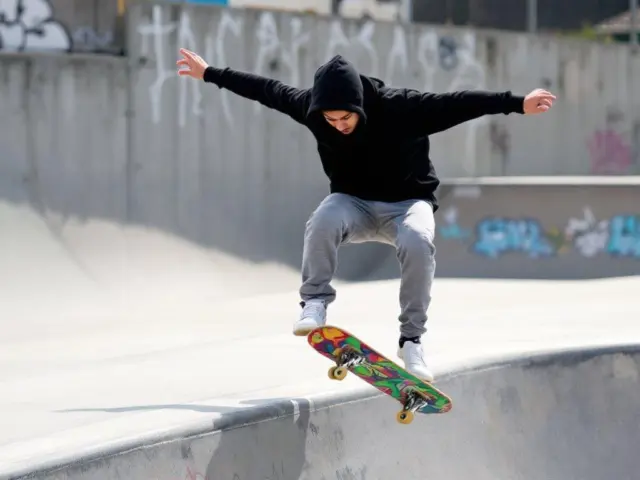
Skateboarding is an excellent example of an activity that combines physical movement with creativity and individual expression. Children learn how to maintain balance, control their movements, and gradually improve their coordination.
Unlike some traditional team sports, skateboarding allows children to work toward personal goals. Some may enjoy riding comfortably around a skatepark, while others might become interested in learning tricks or participating in competitions.
For beginners, structured instruction can provide a helpful starting point. A local skateboard school can introduce children to basic riding techniques, balance, turning, and stopping in a supportive learning environment. Having guidance from an experienced instructor can make the early stages less intimidating and help children develop safe habits.
However, skateboarding does not need to become a child’s only physical activity. Children who enjoy riding can also benefit from swimming, cycling, tennis, or other recreational pursuits. These experiences introduce different movements and allow them to enjoy physical activity in more than one setting.
Trying Different Sports Helps Children Discover Their Interests
Every child has different preferences, and their interests may change as they grow. Some children enjoy activities that involve teamwork, while others prefer individual challenges. Introducing different options can help parents understand what motivates their children.
For example, a child who enjoys skateboarding may also discover an interest in cycling because both activities involve balance and movement. Another child might enjoy swimming because it offers a different physical experience from activities performed on land.
Parents can make exploration easier by looking for introductory classes, recreational programs, and beginner-friendly sessions. Platforms such as trying different sports can help families explore learning opportunities and discover activities that match their children’s interests.
It is also important to give children enough time to experience an activity before deciding whether they enjoy it. A first session may feel unfamiliar, but a little practice and encouragement can make a difference. At the same time, children should not feel forced to continue an activity they genuinely dislike.
Different Sports Develop Different Physical Abilities
One of the strongest arguments for introducing children to multiple sports is that different activities involve different physical skills.
Swimming, for example, encourages coordination between the arms, legs, and breathing patterns. Running and football help develop cardiovascular endurance, while gymnastics introduces flexibility, body awareness, and controlled movement.
Skateboarding focuses on balance, coordination, and the ability to adjust body position while moving. Tennis involves hand-eye coordination, footwork, and quick reactions.
Experiencing these different demands can help children become more comfortable with a wide range of physical challenges. Rather than developing only the movements associated with one sport, they gradually build a broader set of abilities.
This variety can also be useful when children eventually decide to pursue a particular sport more seriously. Previous experiences with different activities may give them useful movement skills and a better understanding of their physical capabilities.
Variety Can Make Physical Activity More Enjoyable
Children are more likely to maintain an active lifestyle when they associate physical activity with enjoyment. If every sports session feels like a competition or an obligation, they may gradually lose interest.
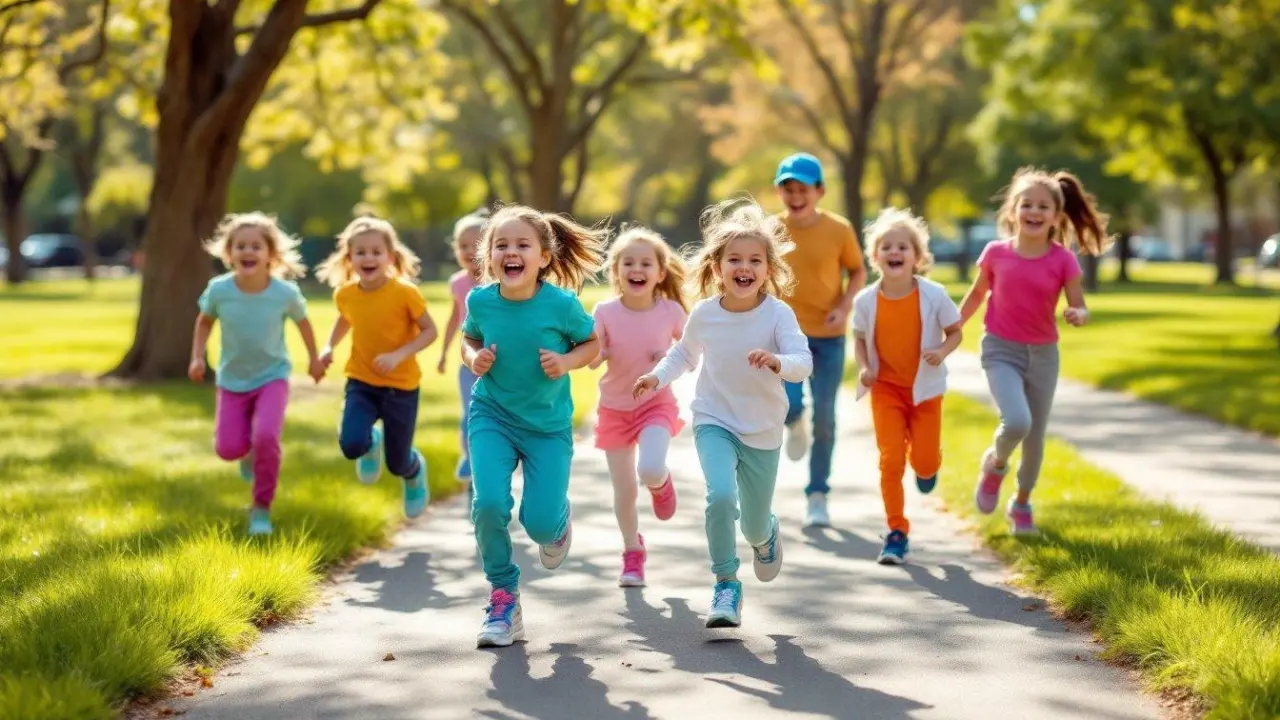
Offering different activities can create a more relaxed approach to movement. Some days might involve structured lessons, while other occasions can be reserved for casual cycling, playing outdoors, or visiting a local park.
This balance helps children understand that being active does not always require formal coaching or competitive goals.
Parents can also participate in recreational activities with their children. Family bike rides, swimming outings, weekend walks, and visits to playgrounds can introduce movement in a natural and enjoyable way.
These shared experiences can strengthen family relationships while showing children that physical activity can remain part of everyday life.
Learning Social Skills Through Different Sporting Environments
Sports provide opportunities for children to interact with people outside their usual social circles. Exploring different activities can introduce them to new classmates, instructors, teammates, and communities.
Team sports such as football, basketball, and volleyball encourage communication and cooperation. Children learn to share responsibilities, follow instructions, and work toward common goals.
Individual activities offer different learning experiences. In swimming or skateboarding classes, children may develop independence while receiving guidance from instructors and interacting with other participants.
Moving between different sporting environments also helps children become comfortable with new situations. They learn to adapt to different rules, expectations, and group dynamics.
These experiences can support social confidence and help children develop friendships based on shared interests.
How Parents Can Encourage a Balanced Sporting Routine
Parents do not need to introduce several sports simultaneously to give children a varied experience. A gradual approach is often more practical and allows children to adjust to new activities without becoming overwhelmed.
Here are a few ways families can encourage variety:
Start with the child’s interests: Ask children which activities they would like to explore. Their curiosity can provide a useful starting point for choosing a sport.
Introduce beginner-friendly programs: Short introductory sessions allow children to experience a sport without committing to a long-term schedule.
Avoid unnecessary pressure: Focus on participation, effort, and enjoyment rather than performance or competition results.
Allow time for free play: Not every activity needs to involve a coach or organized lesson. Unstructured outdoor play also contributes to physical development.
Pay attention to rest: Children need adequate recovery between activities. Watch for signs of fatigue, persistent discomfort, or declining enthusiasm.
Keep schedules realistic: Consider schoolwork, family commitments, travel time, and the child’s available energy before adding another activity.
A balanced routine should support a child’s interests rather than make their schedule unnecessarily demanding.
Making Room for Long-Term Healthy Habits
The purpose of childhood sports should extend beyond learning how to perform a particular skill. These experiences can help children develop habits that support an active lifestyle as they grow older.
A child who enjoys several recreational activities may become more comfortable exploring new forms of exercise in the future. They may continue swimming, cycling, playing tennis, or skateboarding as hobbies even if they never pursue professional competition.
The World Health Organization recommends that children and adolescents aged 5–17 accumulate an average of at least 60 minutes of moderate-to-vigorous physical activity per day across the week. Encouraging different forms of enjoyable movement can help families work toward this recommendation.
Most importantly, children should understand that physical activity is not limited to winning medals or achieving professional standards. It can simply be a rewarding part of everyday life.
Conclusion
Raising active children is not about choosing one sport as early as possible or expecting them to become highly skilled athletes. It is about giving them opportunities to explore movement, discover their interests, and develop a positive relationship with physical activity.
Skateboarding, swimming, cycling, tennis, and team sports each offer different experiences and benefits. Introducing children to a variety of activities can help them develop broader physical abilities, build social confidence, and avoid the pressure that sometimes accompanies early specialization.
With encouragement, realistic schedules, and enough freedom to explore, parents can help children find activities they genuinely enjoy. A childhood filled with different sporting experiences can lay the foundation for a healthier and more active future.