Skateparks in LA draw riders of every level. This guide names top parks, explains what makes a park good, and lists practical tips for a safe visit. It focuses on location, features, hours, and simple etiquette. The tone stays direct and useful so readers can pick parks and plan rides with confidence.
Key Takeaways
- Skateparks in LA offer diverse features like bowls, street elements, and smooth surfaces to suit beginners through advanced skaters.
- Choosing a skatepark based on skill level and desired features enhances progression and enjoyment during rides.
- Planning visits around parking, hours, and skatepark rules ensures a safe and hassle-free experience.
- Following proper skate etiquette, including waiting turns and calling tricks, promotes safety and respect among riders.
- Wearing helmets, pads, and performing warm-ups helps reduce injury risks when skating in LA’s skateparks.
- Maintaining good behavior and respecting local rules keeps skateparks in LA welcoming and operational for all users.
What Makes A Great Skatepark In Los Angeles
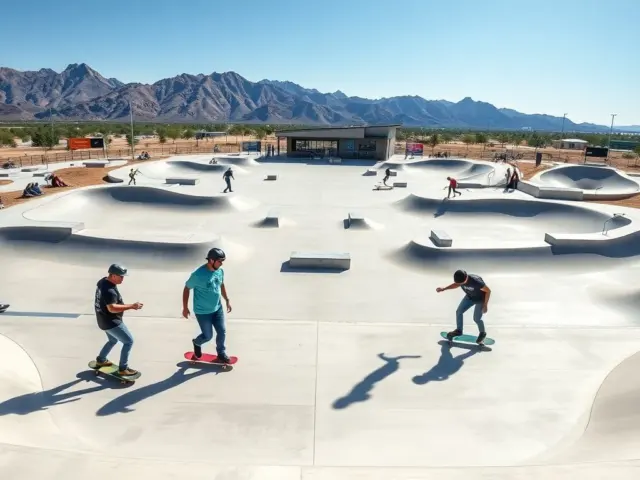
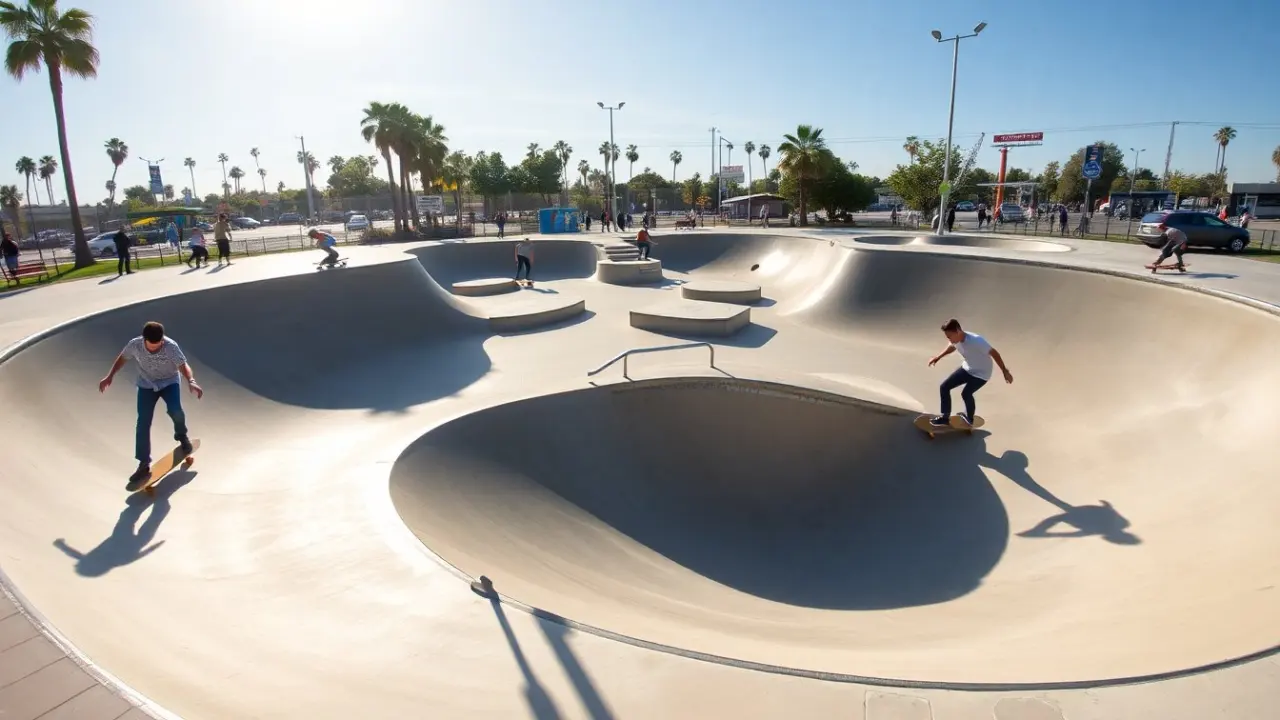
A great skatepark in Los Angeles offers flow, variety, and quality surfaces. Riders value bowls, street features, and smooth concrete. The best skateparks in LA combine shallow transitions and steep bowls to suit both beginners and advanced skaters. Lighting and hours matter. Parks with lights let riders skate after work. Clean bathrooms and nearby shade add comfort. Safe, well-maintained parks lower injury risk and let riders progress.
Design affects learning. A park that places small ledges, mellow banks, and low rails near each other lets beginners try moves without long runs. Advanced skaters look for deep bowls, vertical hips, and long coping lines. Skateparks in LA that mix these options keep groups from crowding one feature.
Location and parking shape the visit. Parks near transit or free parking attract more riders. Parking rules and time limits affect session length. Parks with clear signage on rules reduce conflicts. Staff or volunteers who keep the park tidy make repeat visits more likely.
Community matters. Local scenes that host casual nights or contests help skaters meet each other. Parks that allow mixed use for bikes and scooters with set hours reduce collisions. When a park supports lessons or youth programs, more families come, and the park stays active through the week.
Maintenance extends life. Regular resurfacing and fixed coping prevent sharp edges and cracks. Parks that report issues quickly cut the chance of injury. Budgeted repairs keep skateparks in LA usable year after year.
Top 7 Skateparks To Visit In Los Angeles — Ranked By Skill Level
This list ranks seven skateparks in LA by skill fit. Each park earns its spot for distinct features. Riders should pick parks that match their level and goals.
- Venice Beach Skatepark, Best for street and style (intermediate to advanced). Venice has widely spaced bowls and varied ledges. The park draws pros and tourists. It offers constant energy and good exposure to different lines.
- Stoner Skate Plaza, Best for technical street (intermediate). Stoner features smooth concrete, manual pads, and tight rails. It suits riders who want to refine flip tricks and ledge work.
- El Sereno Skatepark, Best for community and progression (beginner to intermediate). El Sereno has mellow banks and short hips. Families and new skaters use it for practice and lessons.
- The Bunker Complex (Granada), Best for transition and bowls (advanced). The Bunker has steep bowls and deep transitions. It rewards power, timing, and bowl experience.
- Hibbard Park Skate Plaza, Best for mixed skill sessions (beginner to advanced). Hibbard balances street features with mellow transitions. It suits groups with varied skill levels.
- Pershing Square (Downtown), Best for street-style lines (intermediate to advanced). Pershing offers tight ledges and stairs. It trains control and flow in crowded urban spots.
- Nollie Skatepark (Northeast LA), Best for quiet practice (beginner to intermediate). Nollie has a small bowl and easy rails. It works well for focused practice away from crowds.
Skateparks in LA change with renovations and events. Riders should check local park pages or social feeds before they go. The list keeps a balance between famous parks and lesser-known gems. Each choice aims to match a rider’s skill, not just popularity.
How To Plan Your Visit: Parking, Hours, Rules, And Skate Etiquette
Riders should plan ahead for parking and hours at skateparks in LA. Many parks sit near street parking with time limits. Some parks have free lots that fill early. Transit options vary by neighborhood. Checking a park’s website or local group reduces surprises.
Hours matter for safety. Parks with lights allow night sessions. Parks without lights close at dusk. Many parks post posted rules that ban bikes or require helmets for minors. Riders should read rules and follow them to avoid fines.
Etiquette keeps sessions smooth. Riders should wait their turn in lines and call tricks. A short, clear call like “drop in?” avoids collisions. Riders should avoid cutting someone off in a line or gatekeeping spots. Sharing features helps everyone progress.
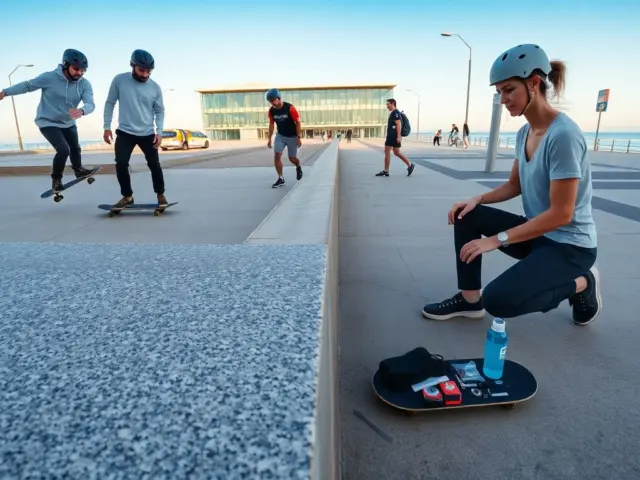
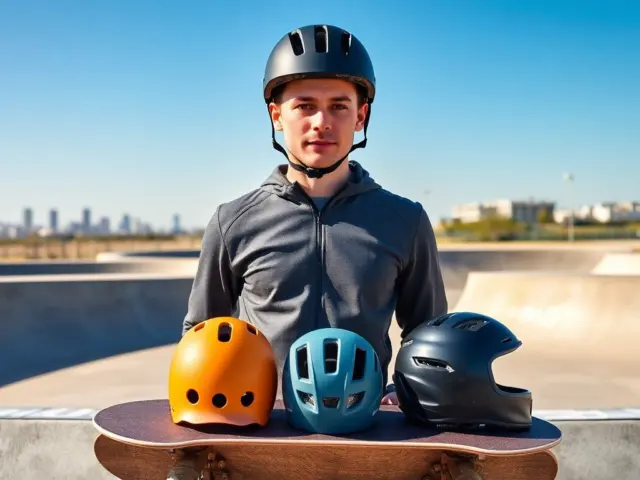
Safety practices reduce injuries. Riders should wear helmets and pads when trying new tricks. Warm-ups and stretching lower muscle strain. Riders should inspect surfaces for debris, wet spots, or cracks before heavy runs. If a hazard appears, riders should report it to park contacts.
Respect local rules and neighbors. Loud music and trash draw complaints. Riders should clean up and keep noise reasonable. If a park asks for quiet hours, riders should comply. Good behavior helps keep skateparks in LA open and welcome.
Bring simple gear. Water, sunscreen, and a small tool kit help. A phone with emergency contacts and a basic first-aid kit will help in minor incidents. Riders who plan with common sense get more time on the board and fewer problems.