Skateboard helmet vs bike helmet debate appears often among riders and parents. The article compares skateboard helmet vs bike helmet in clear terms. It lists differences in design, materials, and safety standards. It shows how each helmet performs in impacts, ventilation, and fit. It guides readers to pick the right helmet for activity, age, and riding style.
Key Takeaways
- Skateboard helmets prioritize fuller rear-head coverage and thicker liners to absorb multiple low-impact hits, meeting ASTM F1492 standards.
- Bike helmets feature taller shells with extensive ventilation and thinner EPS liners designed for single high-energy impacts, adhering to CPSC or EN 1078 standards.
- Choosing the right helmet depends on your activity: skateboard helmets suit skateboarding, while bike helmets better protect road cycling and high-speed rides.
- Fit is crucial for safety; skateboard helmets fit snug and low, whereas bike helmets sit level with a gap above the eyebrows, with proper strap adjustments essential for both.
- Helmets with rotational technologies like MIPS can reduce rotational forces in oblique impacts, enhancing protection for both skateboard and bike riders.
- Always check certification labels, ensure a proper fit, and replace helmets after a crash or every five years to maintain effective head protection.
Key Design Differences, Materials, And Safety Standards
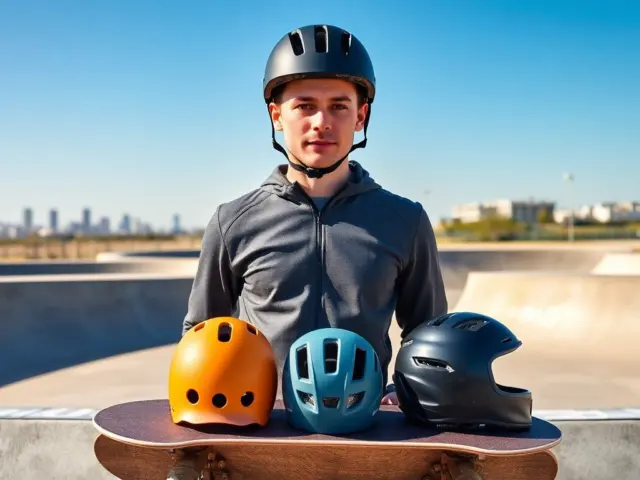
Skateboard helmet vs bike helmet differ in shape, shell thickness, and coverage. Skateboard helmet models provide low-profile shells and fuller rear-head coverage. Bike helmet models provide taller shells and extended ventilation. Manufacturers make skateboard helmet shells from ABS or polycarbonate. Manufacturers make bike helmet shells from polycarbonate with thin EPS liners.
Skateboard helmet liners use thicker EPS or expanded polypropylene to absorb repeated low-to-medium energy hits. Bike helmet liners use thinner EPS that compresses in a single high-energy impact. Standards test helmets differently. Skateboard helmet standards include ASTM F1492. Bike helmet standards include CPSC (US), EN 1078 (EU), and AS/NZS 2063 (Australia/New Zealand). Retailers label skateboard helmet models as meeting ASTM F1492. Retailers label bike helmet models as meeting CPSC or EN 1078.
Skateboard helmet vs bike helmet certification matters for activity. Skateboard riders need helmets that pass ASTM F1492 for direct, multi-impact loads. Commuters and road cyclists need helmets that meet CPSC or EN 1078 for high-energy impacts and penetration resistance. Manufacturers add MIPS and similar systems to some helmet models. MIPS aims to reduce rotational forces. Test labs measure impact attenuation, retention-system strength, and strap integrity.
Skateboard helmet vs bike helmet tradeoffs affect consumer choice. Skateboard helmet models sacrifice ventilation for coverage. Bike helmet models sacrifice rear coverage for ventilation and weight. Buyers must check labels, look for date codes, and replace helmets after a significant impact or after five years of use.
How Each Helmet Performs In Real-World Impacts, Ventilation, And Fit
Skateboard helmet vs bike helmet perform differently under real impacts. Skateboard helmets absorb multiple low-velocity impacts better. Skateboard helmet liners compress and recover less, but they still protect hairline impacts and repeated falls. Bike helmets absorb single high-velocity impacts better. Bike helmet liners crush on a hard impact and reduce peak linear acceleration effectively.
Skateboard helmet models limit ventilation. Skateboard helmet vents remain small or few to keep a strong shell. Riders feel more heat in skateboard helmets during long rides. Bike helmet models provide large vents and internal channels. Cyclists feel better airflow in bike helmets during hot rides.
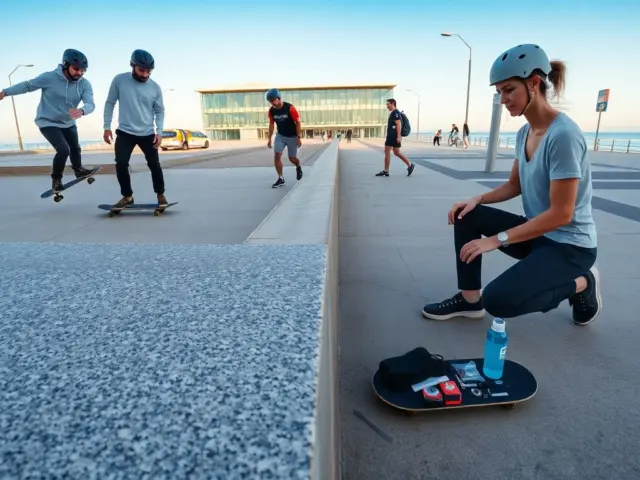
Fit affects protection in both helmet types. Skateboard helmet fit requires a snug, low-sitting position with straps centered under the ears. Bike helmet fit requires a level position higher on the head with a two-finger gap above the eyebrows. Retailers recommend strap adjustments and dial-fit systems to secure fit. Riders should perform the roll-off test to check strap tension.
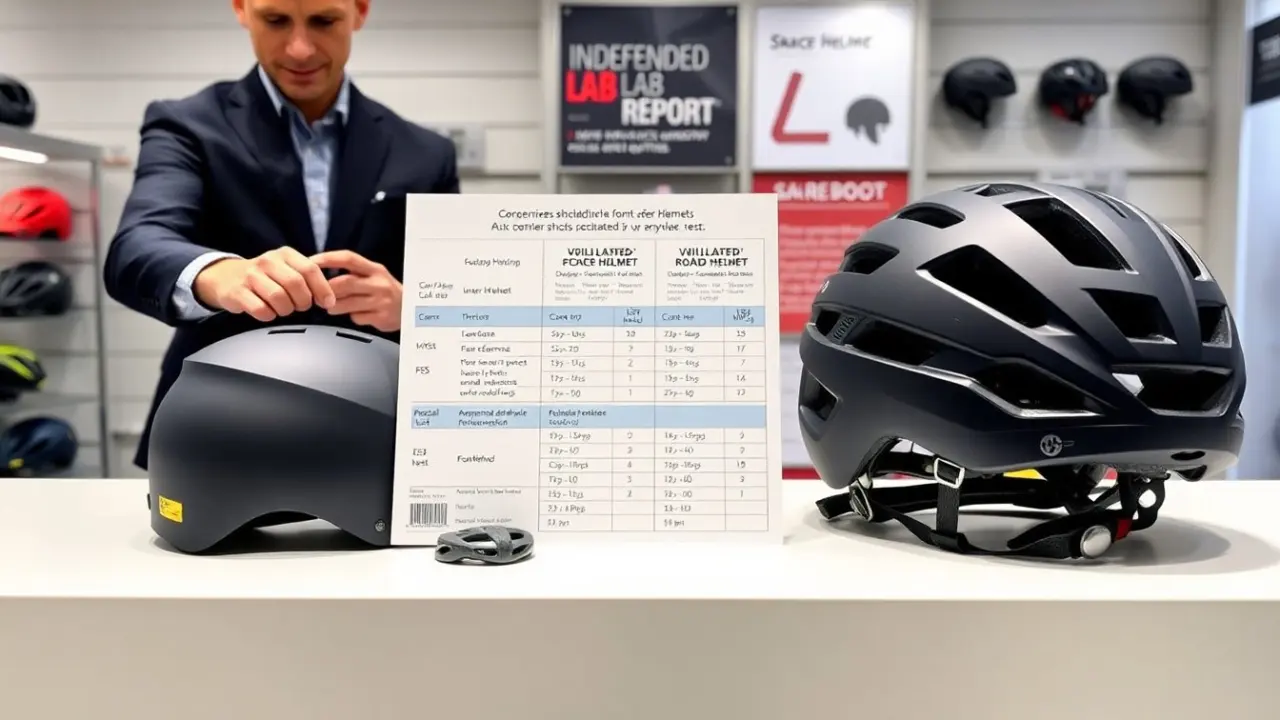
Skateboard helmet vs bike helmet differences also affect oblique impacts. Rotational systems like MIPS reduce rotational acceleration in both helmet types. Tests show that helmets with rotational systems lower rotational values in angled impacts. Test results vary by model. Riders should read independent test results from sources such as Virginia Tech or consumer test labs. The rider must choose the helmet that matches the common impact type for the activity.
Choosing The Right Helmet For Your Activity, Age, And Riding Style
Skateboard helmet vs bike helmet choice depends on activity, age, and style. If the rider plans to skateboard, choose a skateboard helmet that meets ASTM F1492. If the rider plans to cycle on roads, choose a bike helmet that meets CPSC or EN 1078. If the rider will do both activities often, consider carrying both helmets or choose a bike helmet made for urban riding with added rear coverage.
Children need helmets that fit their head size and meet relevant standards. Adults need helmets that match their riding speed and exposure. A commuter who rides at low speeds may use an urban bike helmet with more coverage. A downhill cyclist needs a certified mountain or full-face helmet with higher impact protection. A skater at a skatepark needs a helmet with thicker liner and full rear coverage.
Buyers should check fit, standards, and comfort before purchase. Riders should try helmets on and adjust straps. Riders should replace helmets after a crash or after five years even without a crash. Retailers should list standard compliance clearly on product pages. Riders with medical needs should consult a professional for fitting advice.
Skateboard helmet vs bike helmet comparisons help buyers make clear choices. The rider should match helmet certification to the likely impact type. The rider should value fit and condition over style. The right helmet increases the chance of avoiding serious head injury during the chosen activity.