Riding a skateboard can be dangerous: it carries a measurable chance of fractures, head injuries, and soft-tissue damage when a rider falls or collides. The level of risk varies widely with skill, protective equipment, environment, and the tricks being attempted. Below are practical facts and clear guidance to help readers understand the hazards and reduce injury while still enjoying skateboarding.
Key Takeaways
- Skateboarding carries inherent risks including fractures, head injuries, and soft-tissue damage, especially when attempting complex tricks.
- Wearing protective gear like helmets, wrist guards, and pads significantly reduces the severity of common skateboarding injuries.
- Beginners and those without proper equipment face higher injury rates, emphasizing the importance of staged learning and safety precautions.
- Skateboarding injuries vary by environment, with street skating posing different risks compared to skateparks due to uneven surfaces and traffic.
- Seeking prompt medical attention for severe pain, suspected fractures, or concussion symptoms is crucial to prevent complications.
- Regular equipment maintenance and choosing safe locations help minimize the dangers associated with skateboarding.
Why Skateboarding Carries Risk: Common Hazards And Injury Types
Skateboarding involves high-speed balance on a small platform, which creates several predictable hazards. Common causes of injury include falls from height, board slips (wheels catching cracks), and collisions with obstacles or other people. Injury types frequently seen are wrist and forearm fractures from bracing a fall, ankle sprains, contusions, and head injuries including concussions. Road surfaces, wet pavement, and poorly maintained park features raise the chance of losing control. Even routine cruising can lead to injuries when a rider encounters unexpected cracks, gravel, or vehicles. Understanding these mechanics, how momentum, rotation, and impact affect the body, helps explain why certain injuries repeat among skaters.
How Common Are Skateboarding Injuries? Data, Demographics, And Context
Skateboarding injury rates show more incidents among younger males and new participants learning tricks. Emergency departments see a steady share of skateboard-related visits, often clustered around wrist and head trauma. Injury frequency rises with trick complexity and when protective gear is absent. Context matters: street skating, where uneven sidewalks and traffic are factors, tends to produce different injury patterns than controlled skateparks. Although many injuries are minor, the presence of fractures and concussions means skateboarding is not risk-free. Comparing it to other action sports, skateboarding’s injury profile is similar to BMX or inline skating when riders attempt advanced maneuvers without progressive training.
Major Risk Factors That Increase Danger While Riding
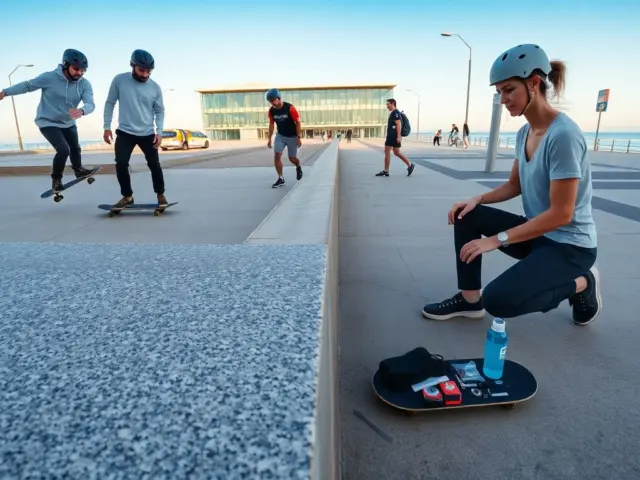
Several clear factors elevate danger while skateboarding. Rider experience is primary: beginners who attempt advanced tricks face higher odds of falls. Lack of protective gear, poor board maintenance (loose trucks, worn wheels), risky environments (traffic, wet surfaces), and fatigue or distraction also increase risk. Attempting tricks beyond current ability, riding at night without proper lighting, and uneven surfaces multiply the chance of serious injury. Weather matters: wet or icy conditions reduce grip and extend stopping distance. Addressing these risk factors directly, through practice, equipment checks, and site selection, reduces the overall hazard profile for most riders.
Protective Gear That Actually Reduces Injury (Helmets, Pads, Shoes)
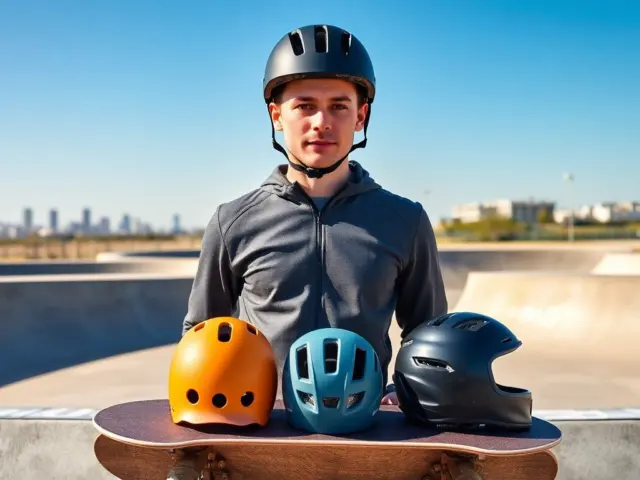
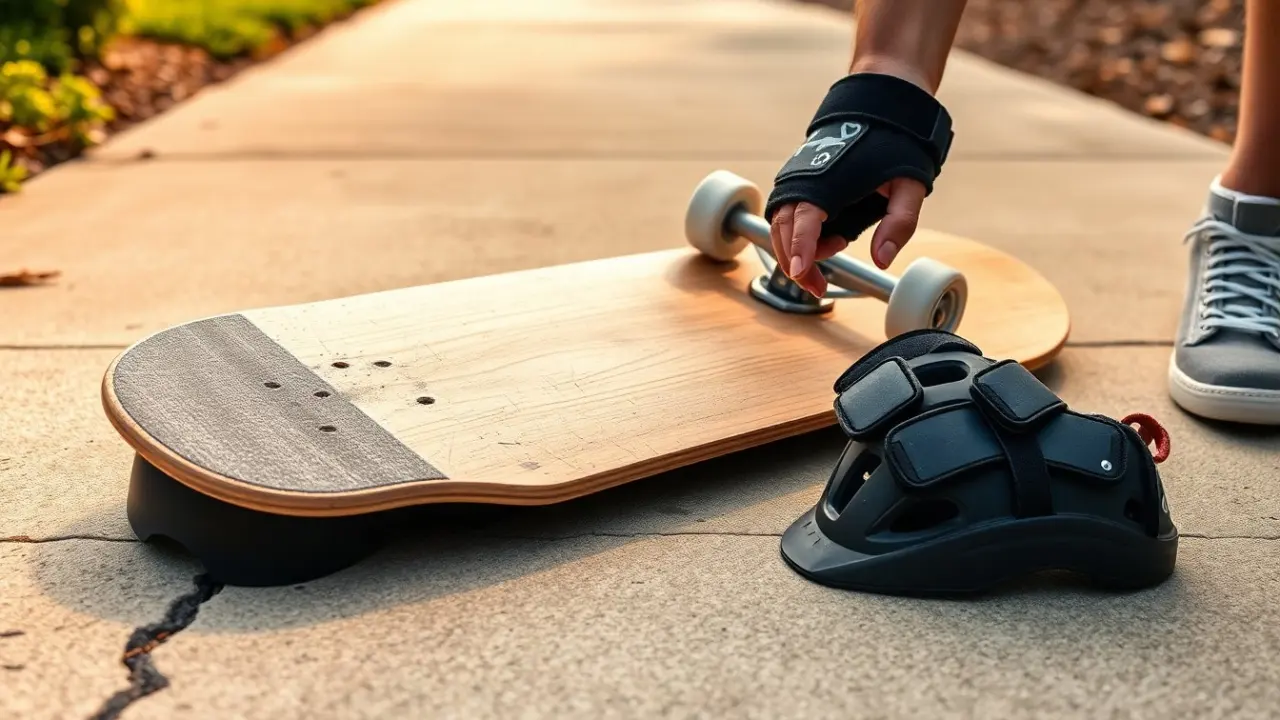
Wearing protective equipment measurably cuts injury severity. A multisport helmet designed for skate impact lowers the risk of traumatic brain injury and concussion: it should fit snugly and sit level. Wrist guards reduce distal radius fractures by limiting hyperextension during a fall. Knee and elbow pads absorb impact for slides and falls, which is helpful during learning phases. Proper skate shoes with grippy soles and reinforced sides improve board control and foot protection. Regularly inspect gear, cracked helmets or frayed straps should be replaced. For most riders, consistent helmet and wrist-guard use gives the biggest safety return on investment.
When To Seek Medical Attention And How To Treat Typical Injuries
Minor scrapes, small bruises, and mild soreness can often be treated with basic first aid: clean the wound, apply pressure for bleeding, and use ice for swelling. Seek medical attention promptly if there is severe pain, deformity (possible fracture), loss of consciousness, ongoing dizziness, repeated vomiting, or symptoms suggesting concussion. Suspected fractures should be immobilized and evaluated at an urgent care or emergency department. For concussions, headache, confusion, balance problems, stop skating immediately and follow medical guidance before returning. Early assessment reduces complications and helps determine whether imaging or specialist care is needed.
FAQ
Q: Is wearing a helmet mandatory for skateboarding?
A: Laws vary by location: regardless, a helmet significantly reduces head injury risk and is strongly recommended.
Q: Can beginners avoid most injuries?
A: Many common injuries are avoidable with basic protective gear, staged learning, and safe locations, but falls are inherent to learning.
Q: How soon can someone return after a concussion?
A: Rest and medical clearance are required: return-to-activity is gradual and individualized, see a clinician for a plan.
Q: Do wrist guards limit skating ability?
A: Modern wrist guards are low-profile and typically do not impede learning: their protective benefits often outweigh any minor fit issues.
Frequently Asked Questions About Skateboarding Safety
Is skateboarding dangerous and what types of injuries are common?
Skateboarding carries risks like fractures, head injuries, and soft-tissue damage from falls or collisions. Common injuries include wrist and forearm fractures, ankle sprains, contusions, and concussions, often caused by falls, board slips, or collisions with obstacles.
How can wearing protective gear reduce skateboarding injuries?
Using protective gear such as helmets, wrist guards, knee and elbow pads significantly reduces injury severity. Helmets lower the risk of traumatic brain injury, while wrist guards help prevent fractures. Proper skate shoes improve board control and foot protection.
What factors increase the danger of skateboarding?
Risk rises with beginner status attempting advanced tricks, lack of protective gear, poor board maintenance, risky environments like traffic or wet surfaces, fatigue, distraction, and weather conditions that reduce grip, all increasing the chance of serious injury.
When should a skateboarder seek medical attention after an injury?
Seek medical care if experiencing severe pain, deformity, loss of consciousness, ongoing dizziness, repeated vomiting, or concussion symptoms. Suspected fractures need urgent evaluation, and concussions require immediate rest and clinical guidance before returning to skating.
Can beginners avoid most skateboarding injuries?
While falls are part of learning, beginners can avoid many injuries by using basic protective gear, practicing staged progression in tricks, and choosing safe, controlled locations for skating sessions.
How does skateboarding injury risk compare to other action sports?
Skateboarding injury profiles are similar to BMX and inline skating, especially when riders attempt advanced maneuvers without progressive training, highlighting the importance of skill development to manage risk.