A beginner can learn to ride a longboard by picking the right board and protective gear, practicing stance and balance on flat ground, and progressing through controlled pushes, turns, and safe stops. The fastest progress comes from short, focused practice sessions that build comfort with weight shifts and board response.
Key Takeaways
- Choosing the right longboard with a wide deck and soft wheels enhances stability and beginner-friendly control.
- Wearing certified helmets and wrist guards significantly reduces injury risk while riding a longboard.
- Mastering balance through proper stance and subtle weight shifts builds a safe foundation for riding.
- Use short, powerful kicks to push efficiently and maintain energy when learning to ride a longboard.
- Practice foot braking and controlled stops at low speeds to ensure safe stopping techniques.
- Develop turning and carving skills with hips and knees to control speed and enjoy smoother rides.
Choose The Right Longboard And Safety Gear
Quick Facts
- Longboards vary by shape: pintail, drop-through, and freeride suit different riding styles.
- Softer wheels (78A–82A) roll and grip better for beginners.
- A certified helmet and wrist guards cut the risk of common injuries.
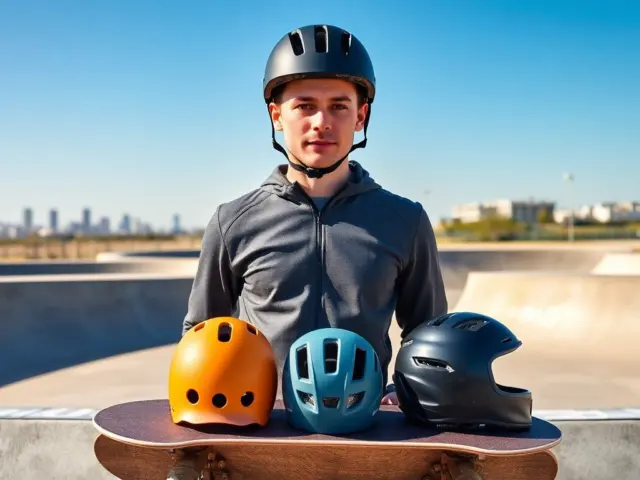
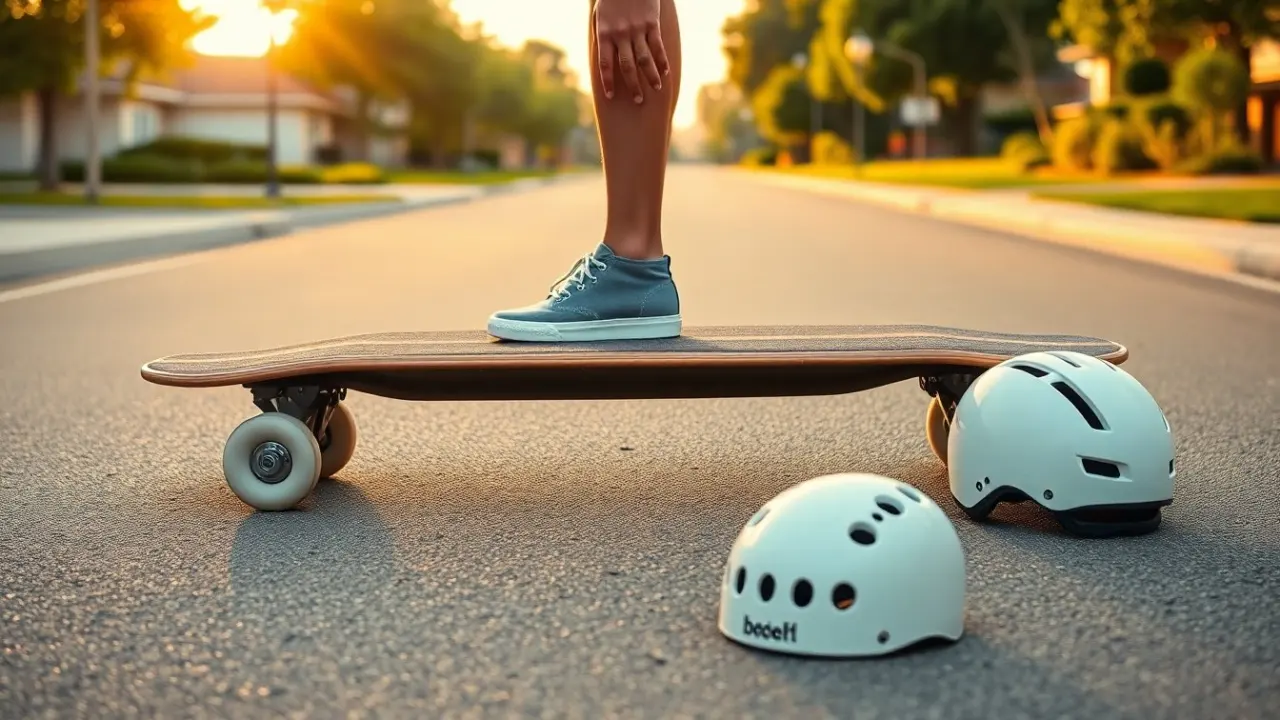
Choosing a board starts with purpose: cruising and commuting favor a stable, longer deck (38–42 inches) with a lower center of gravity, while freestyle and downhill require stiffer decks and responsive trucks. For a first setup, a drop-through or longboard with a wide deck and soft wheels gives forgiving turns and smoother rolling over cracks. Pair the board with a CE or ASTM-certified helmet, slide-resistant gloves or wrist guards, and knee pads. Shoes should be flat-soled and grippy: avoid bulky boots that reduce board feel.
Stance, Foot Placement, And Balance Fundamentals
Finding the comfortable stance is the base of safe riding. Have the rider stand on the board on carpet or grass: whichever foot naturally goes forward is the regular or goofy stance, regular means left foot forward, goofy means right. Keep the front foot near the front truck bolts at about a 20–30° angle: place the back foot perpendicular or slightly angled over the tail for pushing.
Balance tips: bend the knees, relax the shoulders, and keep weight centered over the trucks. Small ankle adjustments steer: large hip shifts carve. Practice subtle weight shifts while stationary: leaning heels turns the board one way, toes the other. A short drill: push one foot off for three seconds, put it back, and repeat until confidence grows. Bold the knees and eyes: look where the rider wants to go, not at the pavement.
Pushing, Starting, And Stopping Safely
Learning to push efficiently and stop reliably keeps most beginners safe. Begin on flat, smooth pavement.
Pushing steps:
- Place the front foot over the front trucks and balance. Stand relaxed.
- Push with the back foot near the heel, making short, powerful kicks rather than long shuffles.
- After a push, place the back foot on the tail to glide: bend knees to absorb bumps.
- Keep the upper body square and shoulders level to avoid awkward twists.
- Practice cruise pacing: alternate 5–10 pushes with coasting to build rhythm.
- If speed increases, bend knees more and use wider stances for stability.
Each step focuses on control and economy of motion. Bold the term short, powerful kicks, they conserve energy and improve balance compared with long, unstable pushes.
Foot Braking And Emergency Stop Techniques
Foot braking is the primary beginner stop: shift weight to the front foot and gently drag the toes or the side of the shoe on the pavement until the board slows. Keep the dragging foot slightly bent and ready to replant. For quicker stops, use a controlled heel-toe drag, apply more pressure to the dragging foot while keeping the weight forward to avoid flipping.
Emergency options include stepping off to the side while maintaining a low center of gravity or using a quick, gradual slide on loose or dusty surfaces. Avoid sudden, backward stomps on the tail, they can make the board bounce and cause falls. Practice all stops at low speeds first.
Turning, Carving, And Controlling Speed
Turning on a longboard relies on trucks and body movement. For basic turns, shift weight to the toes to initiate a toe-side turn and to the heels for a heel-side turn: use the hips to guide the direction. For wider, flowing movement, practice carving: link alternating toe and heel turns in an S-pattern to bleed speed and enjoy a surf-like ride.
To control speed on downhills, use tighter carves to scrub speed or perform controlled slides once the rider has experience. Always keep knees bent and eyes focused downhill for smoother weight adjustments. Bold hips and knees, they are the primary steering controls rather than the feet alone.
Carving Drills And When To Learn Pumping
Carving drills: set cones 8–12 feet apart and practice linking three to five smooth S-turns while maintaining a steady cadence. Focus on leaning the torso slightly into the turn and rolling through the ankle to increase board angle: repeat until transitions feel natural.
Pumping, generating speed without pushing, comes next. It requires strong timing: push with the hips and compress the trucks at the end of each carve to transfer energy forward. Beginners should start pumping on gentle, flat sections after they can carve consistently: attempting pumping too early leads to inefficient motion and fatigue. Bold timing, it’s the difference between wasted effort and efficient propulsion.
FAQ
Q: How long does it take to ride confidently?
A: Most riders gain basic comfort in a few hours of focused practice: confidence with turning and stopping often comes after several sessions.
Q: Is a longboard harder than a skateboard for beginners?
A: No, longboards are usually more stable due to longer decks and softer wheels, making them easier for cruising and learning balance.
Q: Should the rider learn to slide early?
A: Not necessary. Sliding is an advanced braking technique, master carving, foot braking, and controlled stepping-off before trying slides.
Q: What terrain is best for first rides?
A: Smooth, flat pavement such as an empty parking lot or wide bike path is ideal for learning foundational skills.
How to Ride a Longboard: Frequently Asked Questions
What is the best longboard type for beginners to learn how to ride?
Beginners should start with a drop-through or a longboard featuring a wide deck and soft wheels (78A–82A), as these offer forgiving turns and smooth rolling, ideal for building balance and control.
How do I find the right stance and maintain balance on a longboard?
Stand on the board on carpet or grass to determine your natural lead foot (regular or goofy). Keep your front foot near the front truck at a 20–30° angle, bend your knees, relax your shoulders, and center your weight over the trucks to maintain balance.
What is the safest way to push and stop when learning to ride a longboard?
Push using short, powerful kicks with your back foot near the heel on flat pavement. For stopping, use foot braking by shifting weight forward and gently dragging the toes or side of your shoe to slow down. Practice these at low speeds to build confidence.
How do turning and carving work on a longboard for beginners?
Turn by shifting weight to your toes for toe-side turns and heels for heel-side turns, using your hips to guide direction. Carving involves linking smooth S-turns to control speed and enjoy fluid movement.
When should I start learning advanced techniques like pumping and sliding?
Learn pumping once you can carve consistently; it involves using your hips to generate speed without pushing. Sliding is an advanced braking method and should only be attempted after mastering carving, foot braking, and stepping off safely.