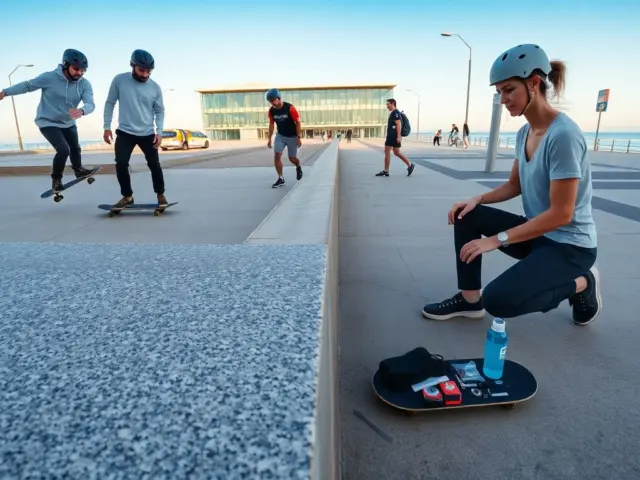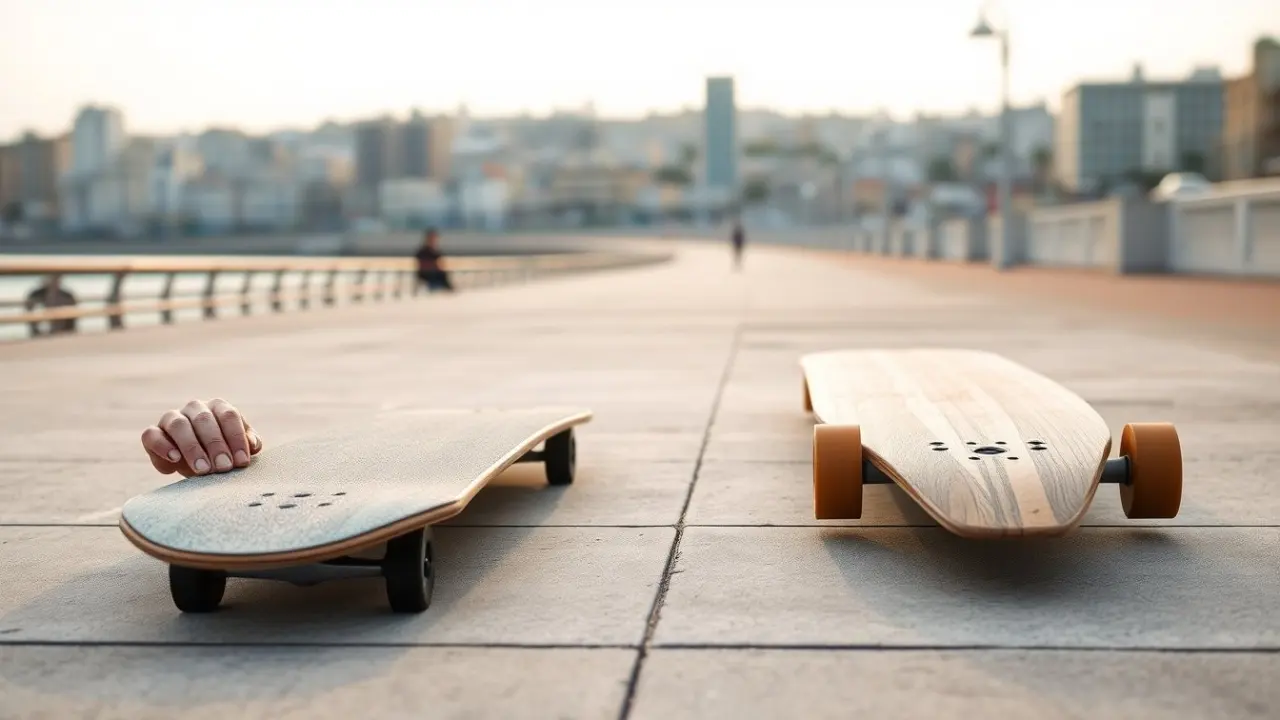
Choosing between a cruiser and a longboard comes down to what the rider plans to do: cruisers favor tight turns and short urban trips, while longboards prioritize stability and smooth carving at higher speeds. Readers who want a nimble board for errands will pick differently than someone who wants downhill carving or relaxed coastal rides. The rest of the article compares design, riding feel, and setup so they can choose with confidence.
Key Takeaways
- Choosing a cruiser or longboard depends on your riding needs: cruisers excel at tight turns and portability, while longboards offer better stability and smooth carving at higher speeds.
- Cruisers, typically 22–32 inches with softer, smaller wheels, are ideal for short urban trips and nimble maneuvering over city pavement.
- Longboards, ranging from 35–46 inches with larger wheels and reverse-kingpin trucks, provide greater stability and comfort for longer distances and downhill runs.
- For tricks and technical street moves, cruisers with kicktails provide better responsiveness, while longboards suit relaxed cruising and carving.
- Consider terrain and speed: cruisers handle city sidewalks well, but longboards smooth rougher surfaces and maintain control at higher speeds.
- Proper setup—including deck size, truck type, and wheel selection—enhances your riding experience and safety; test equipment when possible and wear protective gear.
Quick Comparison: Key Differences In Design And Performance
- Quick Facts:
- Cruisers are typically 22–32 inches long and excel at tight turns and portability.
- Longboards usually span 35–46 inches and offer superior stability at speed and for carving.
- Cruisers use softer, smaller wheels for quick grip on city pavement: longboards use larger wheels for smoother rolls.
- Trucks on cruisers are often standard kingpin: longboards commonly use reverse-kingpin setups for greater turning leverage.
Cruiser vs longboard hinges on a few simple design traits. A cruiser is compact, often featuring a kicktail and narrower deck to hop curbs and weave through crowds. Its trucks are set up for quick, responsive turning and the wheels are smaller (usually 60–65mm) and softer for grip on rough sidewalks. That makes cruisers ideal for short commutes, last-mile travel, and quick fun.
A longboard emphasizes deck length and wheelbase, which increases stability and smoothness. Longer decks, often paired with reverse-kingpin trucks and 70–75mm wheels, absorb vibration and carry speed with less effort. That design suits carving, commuter rides over longer distances, and light downhill runs. In short: choose a cruiser for agility and portability: choose a longboard for stable cruising and carving performance.
Riding Experience And Best Uses — Commuting, Carving, Tricks, And Relaxed Cruising
For everyday commuting in dense urban areas, a cruiser often wins because it’s lighter, easier to carry up stairs, and more responsive at low speeds. Someone making frequent short trips or combining skating with public transit will appreciate a board they can stash under a desk.
When the primary goal is carving, deep, surf-like turns, a longboard delivers a smoother, more planted ride. The longer wheelbase and larger wheels let the rider lean hard without wheel bite, and the truck geometry typically supports progressive turning that feels more predictable at speed.
Tricks and technical street moves favor the cruiser or a smaller skateboard, not a classic longboard. Cruisers with a kicktail allow quick manuals, small ollies over obstacles, and playful lines. But riders wanting downhill speed, relaxed distance cruising, or commuter comfort should favor a longboard.
For casual weekend riders who value portability and occasional thrills, a mid-length or a “mini-longboard” can bridge the gap, offering some stability while keeping size manageable. Overall, matching the board to the main use, short urban hops vs. long-distance carving, produces the best experience.
Riding Details: Terrain, Maneuverability, And Speed Considerations
Riding Details: Terrain, Maneuverability, And Speed Considerations
Terrain matters: rough pavement, brick streets, and light gravel benefit from bigger wheels and softer durometers, so longboards usually feel smoother over imperfect surfaces. Cruisers handle typical city sidewalks and plazas well, but they transmit more vibration on broken asphalt.
Maneuverability differs sharply. Cruisers are built for instant turning, short wheelbases and nimble trucks make them responsive at walking speed. That responsiveness is an advantage in crowded areas but can feel twitchy at higher velocities. Longboards provide greater directional stability thanks to longer wheelbases and truck geometry that resists sudden, uncontrollable turns.
Speed is another dividing line. Cruisers can reach moderate speeds fine, but they’re not designed for sustained high-speed runs. Longboards, especially freeride or downhill styles with stiffer decks and stable trucks, are safer and more comfortable at higher speeds. Riders should also consider wheel bite and deck flex: more flex soaks bumps but can reduce precise control, while stiffer decks offer better feedback when pushing hard.
Buying Guide And Setup Tips — Size, Trucks, Wheels, And Riding Style Match
Size and shape: pick a shorter cruiser (22–30″) for portability and tight-turning needs: choose a longboard (35–46″) for stability, longer commutes, and carving. Drop-through and top-mount deck shapes each have pros: drop-through lowers the center of gravity for easier pushing, top-mount gives more leverage for aggressive carving.
Trucks: cruisers often use standard kingpin trucks sized to the deck width: longboards benefit from reverse-kingpin trucks for smoother, more stable turning. Tighten truck bushings slightly for commuting to reduce wobble: loosen them for carving to allow deeper turns.
Wheels and bearings: opt for softer wheels (78A–84A) around 60–75mm for urban cruising to absorb small imperfections. Longboarders chasing speed or smoother rides should pair larger wheels (70mm+) with quality bearings rated for low friction. Consider wheel cutouts or risers to prevent wheel bite when leaning hard.
Setup tips: match truck width to deck width for predictable handling. Adjust bushing hardness to rider weight and desired responsiveness. Try different wheel sizes before committing: a local skate shop often lets riders test or swap wheels. Finally, prioritize safety, wear a helmet and protective gear when increasing speed or trying downhill runs.
Cruiser vs Longboard: Frequently Asked Questions
What are the main differences between a cruiser and a longboard?
Cruisers are 22–32 inches long, compact, and agile for tight turns and short urban trips. Longboards range from 35–46 inches, offering greater stability, smoother carving, and better performance at higher speeds.
Which board is better for commuting in a city?
Cruisers are ideal for urban commuting due to their lighter weight, portability, and responsiveness at low speeds, making them easy to carry and maneuver through crowded or tight spaces.
Can I use a longboard for downhill riding and carving?
Yes, longboards with longer decks, larger wheels, and reverse-kingpin trucks provide stable, smooth rides and are well-suited for downhill runs and deep, surf-like carving.
What kind of wheels should I choose for a cruiser versus a longboard?
Cruisers typically use smaller, softer wheels (60–65mm) for better grip on city pavement, while longboards use larger wheels (70–75mm) that absorb vibration and allow smoother rolling over rough terrain.
How does truck type affect riding on cruisers and longboards?
Cruisers usually have standard kingpin trucks offering quick, responsive turns. Longboards benefit from reverse-kingpin trucks, which provide greater turning leverage and stability at higher speeds.
What setup tips can improve comfort and control for each board type?
For cruisers, choose shorter decks with tighter bushings for better control in city riding. Longboards benefit from matching truck width to deck width, using looser bushings for carving, and larger wheels to absorb bumps and prevent wheel bite.