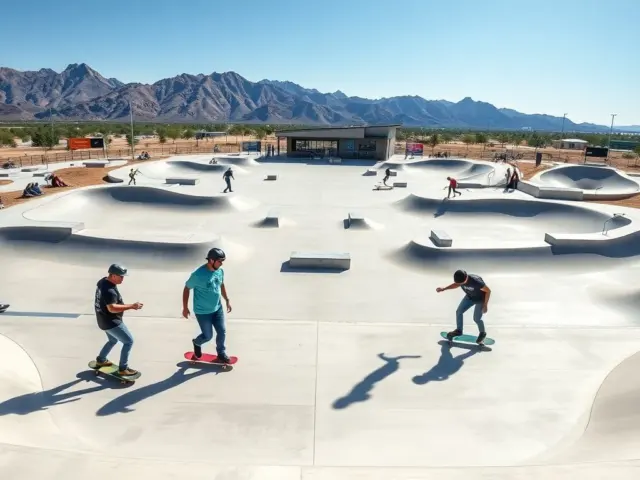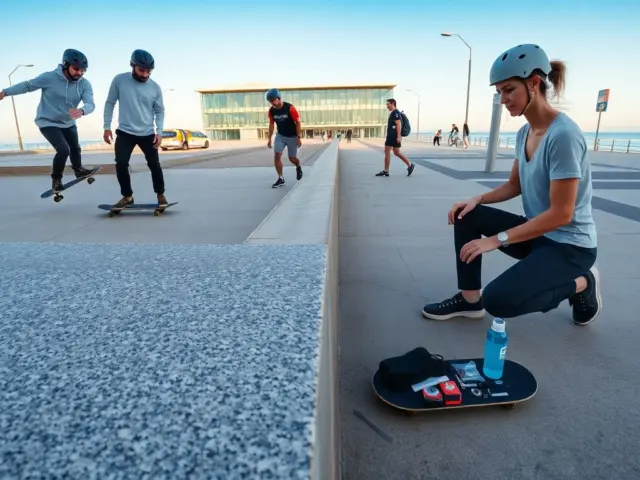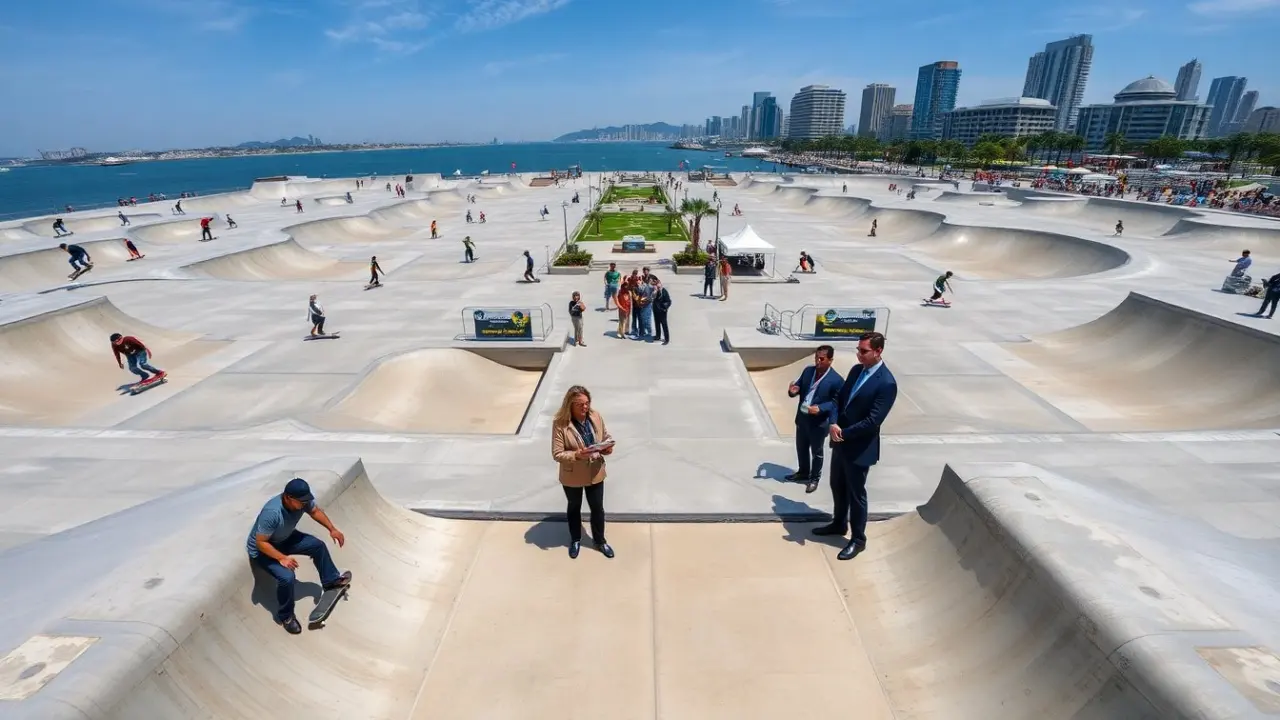
The biggest skatepark in the world draws attention for its size and design. It sits in a coastal city that invested in public sport. Visitors call the site ambitious and inviting. Professionals test lines there. Local youth learn new skills there. City leaders cite tourism gains. Skate brands host events there. The park defines large-scale modern skate facilities in 2026.
Key Takeaways
- The biggest skatepark in the world in 2026 is located in Mar del Plata, Argentina, covering about 120,000 square feet of continuous skateable surface.
- This skatepark is designed with multiple zones tailored to different riding styles, maximizing flow and rider experience.
- The park boosts local tourism and economy by hosting national teams, international events, and community sessions year-round.
- Construction combined public funding, corporate sponsorships, and grants, showcasing successful collaboration for large-scale sports infrastructure.
- Visitors and professionals alike benefit from durable features, safety designs, and scheduled events that highlight the skatepark’s global significance.
- Operational planning emphasizes maintenance, community programming, and event logistics to sustain a high-usage facility.
Which Skatepark Holds The Title In 2026? Quick Facts And Context
The biggest skatepark in the world in 2026 sits in Mar del Plata, Argentina. The city opened the complex in 2024 and expanded it in 2025. Officials list the total area as about 120,000 square feet of skateable surface. Media cover the park as the largest public facility by continuous skateable area. The site serves locals and international visitors. It hosts national team training sessions. The park boosts nearby businesses and hotel bookings.
Beyond headline size, context matters: the park is located near transit links and public beaches, which helps attract visiting athletes and spectators. Local skate schools partner with the municipality for lessons and outreach programs aimed at youth and beginners. Facility managers also run volunteer maintenance days and design workshops, strengthening community ties and keeping the park active outside of high-profile events.
How ‘Biggest’ Is Measured: Area, Usable Skateable Space, And Other Metrics
Researchers measure skatepark size by total land area and by usable skateable surface. Planners calculate covered versus open sections. Event organizers value continuous skateable runs. Designers measure feature count and bowl volume. City officials track spectator capacity. Engineers record surfaces and obstacles per square foot. Each metric affects the title for biggest skatepark in the world. Reporters compare measurement methods when they rank parks globally.
In practice this means several distinct metrics are used alongside headline area figures: contiguous flow length (meters or feet of unbroken line), cumulative bowl volume, number of distinct features (bowls, rails, ledges, hips), and separate capacity for different skill levels. For planners and rivals, the debate over “biggest” often rests on whether auxiliary spaces—spectator terraces, green buffers, and service zones—should count toward total area or be excluded in favor of pure skateable square footage.
History, Funding, And Construction: How The Park Came To Be
City planners proposed a major sports upgrade in 2022. The municipality approved funding in late 2022. Private sponsors added capital in early 2023. Construction teams began earthworks in spring 2023. Concrete crews finished primary bowls by summer 2024. The city opened initial sections in October 2024. Engineers expanded flow areas in 2025. The project used modular concrete panels and poured-in-place bowls. The budget combined public funds, corporate sponsorship, and grants.
The development process included community consultation phases, design competitions with experienced skatepark designers, and staged construction to allow early public use while finishing larger elements. Procurement emphasized durable materials and low-maintenance finishes to reduce long-term operating costs. During construction, engineers prioritized drainage, anti-slip finishes, and integrated lighting so the park could safely host evening sessions year-round.
Notable Design Zones And Features That Create Massive Skateable Area
Designers divided the park into clear zones. Each zone focuses on a riding style. Zones include deep bowls, long flow lines, and technical street areas. They placed sightlines for judges and spectators. They routed pedestrian flow away from skate lines. They used durable concrete and water-resistant treatments. The design made maintenance access simple. The layout maximized continuous run length to claim the biggest skatepark in the world.
Key features that amplify usable area include interconnected bowls that allow riders to carry speed between sectors, an expansive plaza with multiple levels and lines of rails and ledges, and long banked transitions that mimic road-course flow. Support infrastructure—skate-friendly seating, repair stations, and sheltered rest areas—helps keep skaters on the course longer, contributing to the perception of scale. Lighting, CCTV for security, and clear signage further make large areas usable and safe for diverse groups at different times.
Visiting, Events, And Records: What To Expect, Best Times, And Competitions Hosted
Tourists arrive year-round but peak in summer. Locals visit early morning to avoid crowds. The park hosts weekly community sessions and monthly pro showcases. It held the 2025 South American Skate Games and a 2026 world qualifier. Record attempts for longest continuous run and largest trick jam occurred there. Event staff publish schedules online and require waivers for some activities. Riders should check weather and bring appropriate pads and helmets.
For visitors planning a trip: weekdays and early mornings are best for casual sessions, while evenings often feature coaching clinics or organized leagues. Major competitions bring temporary increases in spectators and vendors; planners publish transport and parking advisories ahead of those dates. Accessibility measures—smooth ramps, accessible viewing areas, and clear paths—make the site usable for participants and fans with mobility needs. Finally, regular visitors will find notice boards and social channels that list maintenance closures, special sessions, and volunteer opportunities to stay connected with park activity.