Skateboarding in Japan draws skaters from many countries and offers a wide range of experiences for different styles and skill levels. This article gives clear directions on where to skate, how to behave, and what to expect as a visiting or local skater. It lists major spots, rules, and local customs, and it outlines how to find parks, shops, and community events that welcome travelers. Read on for practical guidance on planning safe, respectful skate sessions and making connections with the local skate community.
Key Takeaways
- Skateboarding in Japan thrives due to well-developed public parks, local brands, and a blend of domestic and global skate culture; both street skating and park riding are visible and supported in different places.
- Major cities like Tokyo, Osaka, Yokohama, and Fukuoka offer diverse skating spots, each with unique environments and community vibes; smaller cities such as Kyoto and Sapporo also have valuable, quieter options.
- Understanding municipal rules and obtaining necessary permits when required helps skaters avoid conflicts and enjoy legal skateboarding sessions; local shops are a quick way to confirm current rules.
- Local skate shops are invaluable resources for visitors, providing information, rentals, event details, and community connections; many shops also host meetups and board repairs.
- Respecting local customs, including polite communication and photo permissions, enhances the skateboarding experience in Japan and helps build good relationships with residents and authorities.
- The growth of skateboarding in Japan is supported by organized events, contests, grassroots meetups, and a strong, welcoming community for both locals and tourists; participating responsibly opens opportunities to ride with locals.
Why Skateboarding Thrives In Japan Today
Skateboarding in Japan grew as cities invested in public parks and purpose-built skate facilities, giving riders legal, maintained places to practice. Exposure from international competitions, social media, and visiting pros helped spark interest among younger generations, while local entrepreneurs built brands and small businesses around skate culture. Municipal investments in parks and indoor facilities have provided year-round options for skaters, and tourism has encouraged cross-pollination of styles and skills. Community-organized jams, demo days, and industry collaborations continue to keep skateboarding visible; many local scenes combine DIY street creativity with meticulous park maintenance and an emphasis on craftsmanship in board and apparel design.
History And Evolution Of Japanese Skate Culture
Skateboarding in Japan began in the 1970s when surfers adapted boards for city streets and has evolved through distinct phases. By the 1990s skate magazines, videos, and visiting riders helped create more visible scenes in major urban areas. In the 2000s local skaters formed crews, small brands, and independent skate shops that fostered grassroots networks. The 2010s brought an expansion of concrete parks, indoor facilities, and more frequent international events, while the 2020s added mainstream exposure and support from larger sponsors and public programs. Throughout these decades, Japanese skaters have blended global trick vocabulary with local aesthetics—placing value on street photography, carefully edited videos, and community-run media that document progression. The result is a layered culture that values both individual skill and collective spaces.
Top Cities And Iconic Spots To Skate
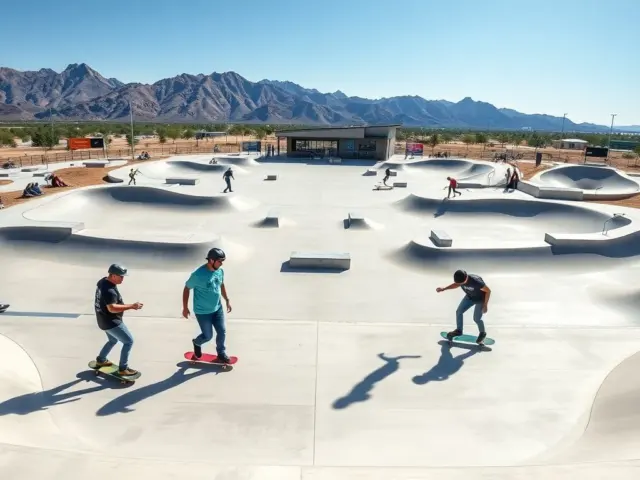
Tokyo, Osaka, Yokohama, and Fukuoka host many of the country’s most visited skate spots, each with its own character. Tokyo offers small street plazas, indoor parks, and skate-friendly wards where community centers sometimes support youth sessions. Osaka’s dense urban fabric creates lively street terrain with concrete ledges and plazas near popular neighborhoods. Yokohama features waterfront plazas and large public parks with smooth surfaces suited to longer lines, while Fukuoka’s open plazas and relatively tolerant local officials make it a popular stop on regional tours. Kyoto and Sapporo provide quieter, scenic spots that are better suited to skaters looking for lower foot traffic. Visitor-friendly resources—local shop noticeboards, community forums, and park signage—help identify current conditions and less-crowded windows to skate. When scouting, look for surface quality, nearby transit access, and whether a spot attracts regular local skaters; these indicators help assess suitability for your session.
Rules, Permits, And Where It’s Legal To Skate
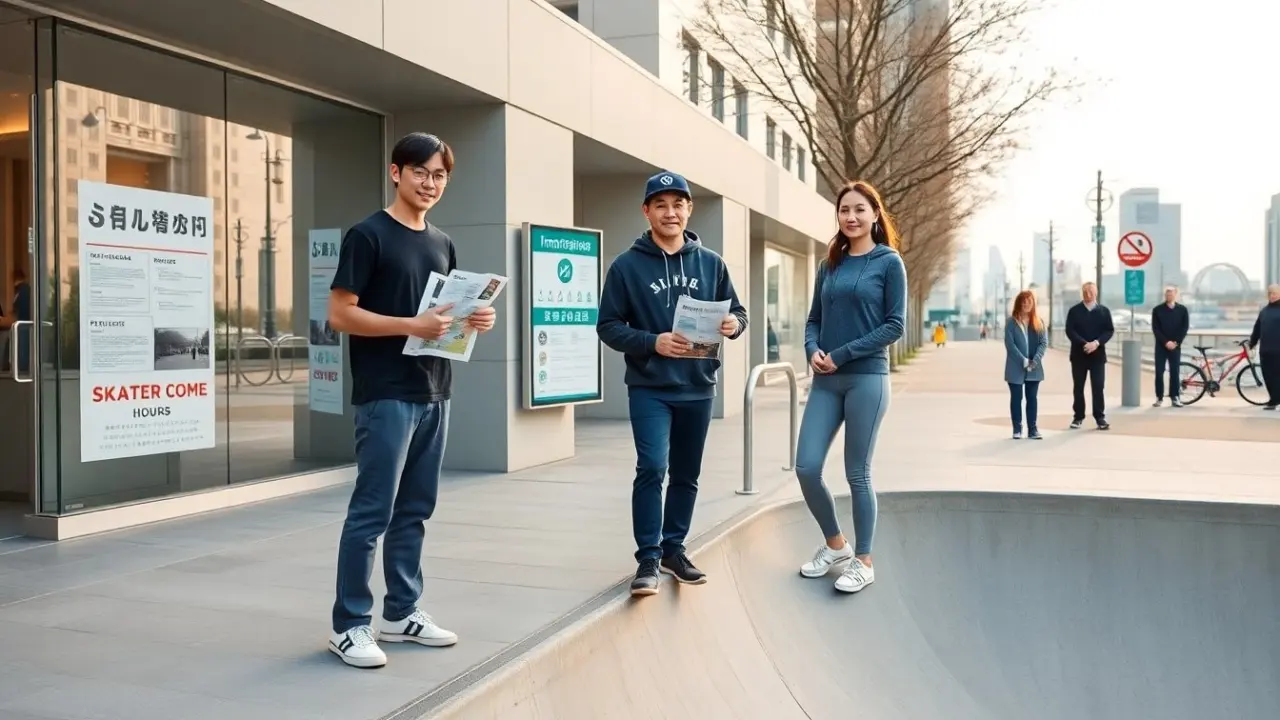
Municipal rules vary widely and determine where people may skate: some cities prohibit skating on sidewalks, near transit stations, or on private property, while many allow skateparks and designated plazas. Signs at parks and plazas often list permitted hours and conduct rules; obeying these prevents misunderstandings. When permits are required for organized events or demonstrations, the process is generally handled through a municipal office and usually asks for a short application and proof of identity—local shops can often advise on the required paperwork. Police or park staff may request skaters to leave if a crowd forms or if property owners object; remaining calm, apologizing politely, and moving to a legal spot usually resolves issues. For visitors: research city websites or ask a shop before skating, carry ID, and be prepared to change locations if asked. Following posted rules and local guidance leads to more predictable, longer opportunities to skate.
Getting Involved: Shops, Events, Communities, And Practical Tips For Visitors
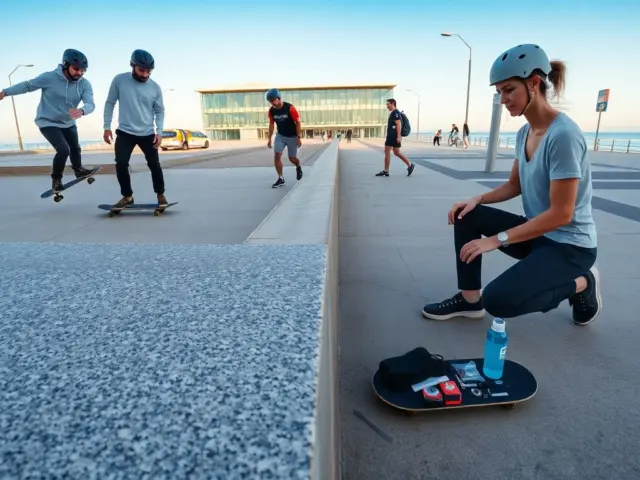
Local skate shops act as hubs for information, meetups, and gear; many post park hours, recommended spots, and community group contacts. Visitors can often rent or buy boards, arrange basic repairs, and learn about upcoming events at these shops. Events run year-round at different scales—from informal meetups and demo days to regional contests—and joining a shop group or online community is the quickest way to hear about pick-up sessions. Practical tips: carry cash (some small shops and parks accept only cash), bring identification, and learn a few basic Japanese phrases for polite requests (a friendly greeting and a simple apology go a long way). Ask before photographing people or filming private property, avoid skating during peak pedestrian times, and respect residents and businesses near spots. If you plan to visit multiple cities, map parks and indoor facilities ahead of time, check indoor park reservation policies, and reach out to local shops for day-of advice. These steps make skateboarding in Japan easier, more respectful, and more likely to connect you with the local scene.