Skateboard pads protect riders from common falls and injuries. This guide explains how skateboard pads work, which types riders need, and how to fit them. It gives clear choices for street, park, and cruiser riders. It helps readers pick pads that match size, style, and budget. The goal is to help riders stay safe and learn faster with the right gear.
Key Takeaways
- Skateboard pads protect key body parts like knees, elbows, and wrists, reducing injury and boosting riders’ confidence to progress faster.
- Choosing the right skateboard pads depends on your riding style and involves measuring key areas for a snug, secure fit that doesn’t limit mobility.
- Knee pads come in low-profile styles for street skating and full-cover styles for beginners or transition riders, offering tailored protection for different fall types.
- Regular cleaning and inspection of pads are essential to maintain their protective qualities and extend their lifespan.
- Opt for pads from reputable brands with clear sizing, replaceable parts, and favorable reviews to ensure a good balance between protection and cost.
- Wearing proper skateboard pads helps riders stay safer, recover faster, and push their skills with confidence.
Why Skateboard Pads Matter: Safety, Confidence, And Progress
Skateboard pads reduce impact when riders fall. They absorb force and shield knees, elbows, and wrists. Riders who wear pads stay on the board longer after a fall. That builds confidence and speeds skill development. Pads also limit soft-tissue injuries, bruises, and scrapes that interrupt practice. Parents, coaches, and friends should encourage protective gear for beginners and for riders trying new tricks. Proper pads help riders push limits while keeping recoveries shorter and less painful.
Types Of Skateboard Pads
Skateboard pads come in distinct types for different body parts. Each pad type protects a main contact point during typical falls. Riders should pick pads that match their riding style and common fall patterns. Below are the standard pad types and the protection each one offers.
Knee Pads — Protection For Big Impacts And Slides
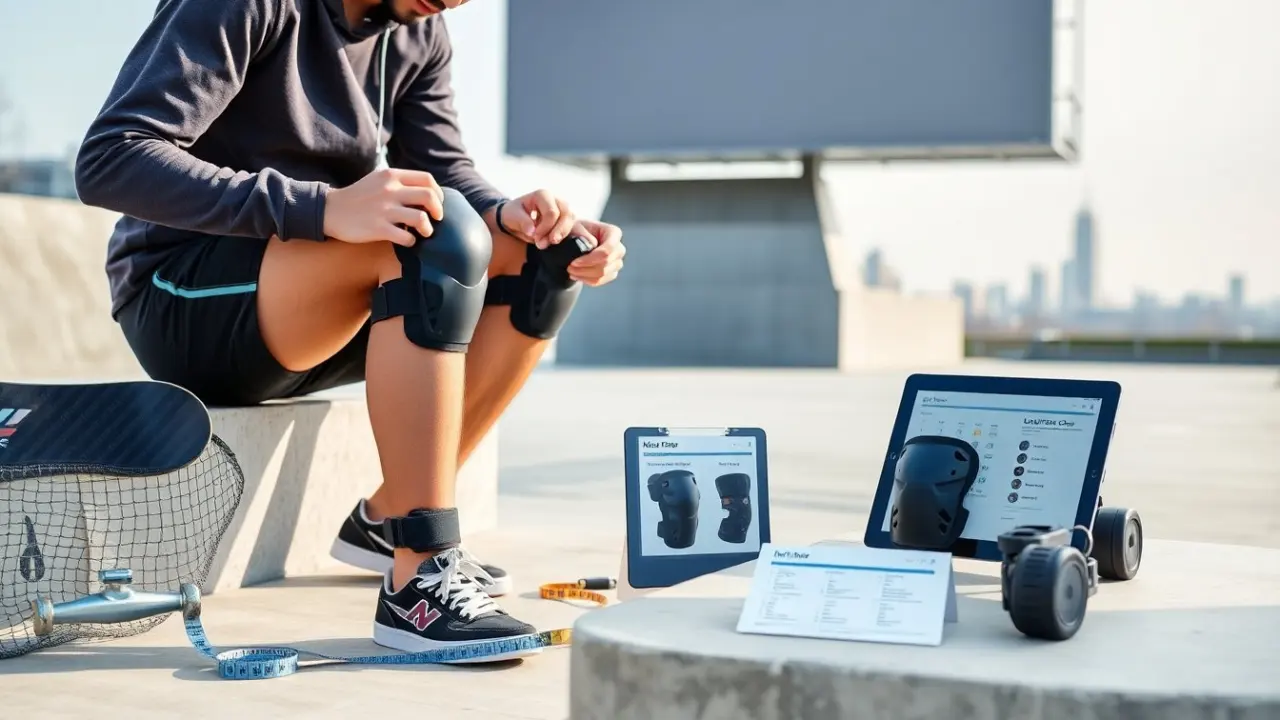
Knee pads absorb high impact when riders land on knees. They use a hard cap over foam to spread force. Skateboard pads for knees come in low-profile and full-cover styles. Low-profile pads suit street skating and tricks that need mobility. Full-cover pads suit beginners and transition riders who fall backward or slide. Riders should choose knee pads with wide straps that secure the pad without cutting circulation. A snug fit keeps the cap from shifting on impact.
How To Choose And Fit Pads For Your Style And Size
Riders should measure key areas to choose pad size. For knee pads, measure around the thigh just above the knee and around the calf below the knee. For elbow pads, measure around the biceps and forearm. For wrist guards, measure the wrist circumference and try the guard with a skating glove if needed. Fit should feel snug but not tight. Riders should test mobility: bend knees and elbows, and mimic falls. Pads that shift on movement need different straps or a different size. Riders who skate street often prefer lower-profile pads. Park and transition riders often pick fuller coverage. Beginners can start with soft liners then move to harder caps as they progress.
Care, Maintenance, And Smart Buying Tips
Riders should clean pads after sweaty sessions to prevent odor and break down. Wash removable liners by hand or on a gentle machine cycle inside a laundry bag. Air-dry pads away from direct heat to preserve straps and foam. Inspect pads before each session for cracked caps, torn straps, or compressed foam. Replace pads that show structural damage. Buy skateboard pads from brands with clear sizing charts and return policies. Try pads on with typical skate socks or shorts to check fit. Look for replaceable straps and caps to extend pad life. Balance price and protection: higher cost often buys stronger caps and better straps, but midrange pads can still offer solid protection. If possible, read user reviews that mention the same riding style as the buyer.