Skateboard deck brands help riders pick a board that fits their goals. This guide compares top skateboard deck brands and explains construction, size, and fit. It shows what to prioritize for street, park, and cruising. Readers learn how to match decks to skill and budget. The guide uses clear terms and direct advice. Below you’ll find practical guidance on how different constructions translate to on-board feel, what makes certain brands better suited to a discipline, and concrete steps to narrow choices when shopping online or in-store.
Key Takeaways
- Skateboard deck brands use different constructions like layered wood and carbon to balance weight, pop, and flex for varying riding styles.
- Top skateboard deck brands such as Plan B and Baker excel in street decks, while Girl and Flip focus on park boards, and Arbor and Santa Cruz cater to cruisers.
- Choosing the right deck involves considering width, shape, concave, and brand reputation to match stability and control needs.
- Beginners benefit from mid-priced skateboard deck brands offering forgiving flexibility, while advanced riders often choose pro models tailored to precise preferences.
- Budget-conscious buyers can find quality decks through factory seconds or house brands without sacrificing build standards.
- Always factor in the cost of trucks, wheels, and bearings alongside skateboard deck brands to ensure a complete and balanced setup.
How Deck Construction Affects Performance
Deck construction shapes how a board feels and performs. Skateboard deck brands use layered wood to balance weight and strength. Manufacturers glue plys together and press them into a concave. This process gives pop and control. Some firms add epoxy or carbon to reduce weight and increase snap. Other makers use maple blends for a smoother flex. Riders notice faster snap on stiff decks and more forgiveness on flexible decks. Choosing between stiffness and flex depends on riding style and tricks.
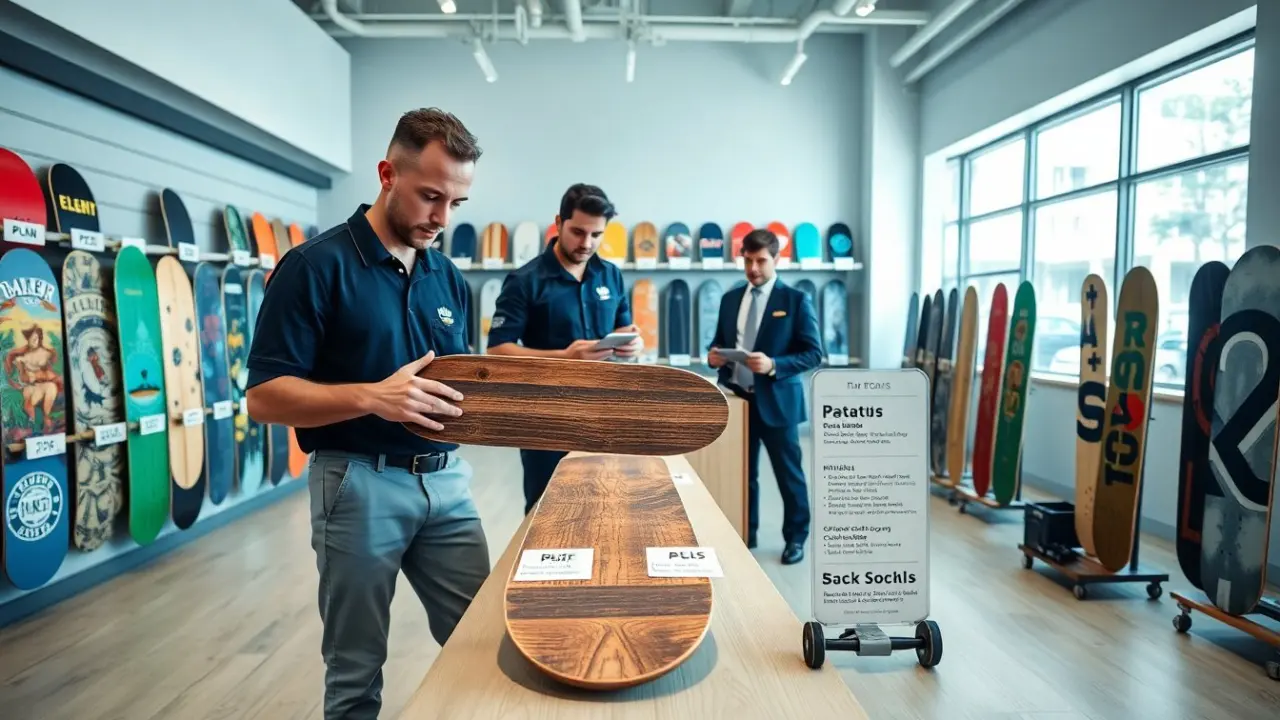
Beyond materials, construction methods vary: 7-ply Canadian maple is a common standard for consistent pop and durability, while some experimental decks mix fiberglass or use molded cores to change flex patterns without adding weight. Press depth and ply orientation affect how the concave responds to foot pressure; a deeper concave gives more lock-in for technical flip tricks, while a mellow concave favors cruising and carving. When comparing skateboard deck brands, look for clear spec sheets that list ply count, any composite layers, and recommended use cases so you can predict how a deck will behave before buying.
Top Skateboard Deck Brands For Street, Park, And Cruising
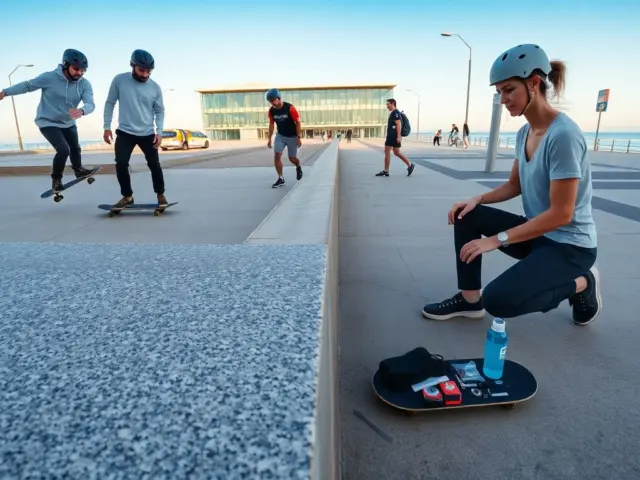
Street riders often choose brands with thin profiles and quick pop. Popular street-focused skateboard deck brands include Plan B, Baker, and Element. Park riders prefer stable decks with balanced concave. Brands like Girl and Flip supply park-oriented shapes. Cruisers favor wide platforms and durable materials. Cruiser shoppers look at Arbor, Santa Cruz, and Globe. Skateboard deck brands differ in shape libraries, collaborations, and deck graphics. Buyers should test boards when they can and read reviews for real-world wear reports.
When narrowing options, consider each brand’s typical offerings: street brands tend to stock narrower widths (7.75″–8.25″) and aggressive concaves for flip and ledge work; park-focused companies often offer slightly wider decks with consistent pop for transition skating; cruiser-focused makers prioritize durable veneers and sometimes alternate materials for longevity on rough pavement. Look at a brand’s pro team and product lineup to understand their design priorities—pro signatures can signal a deck shaped for high-level competition, while house lines often prioritize value and consistency.
What To Look For When Choosing A Deck
Shoppers should match deck specs to their goals. The right deck width, shape, and concave affect stability and trick control. Buyers must check construction details and brand reputation. They should note warranty and return policies. Price often reflects material choices and manufacturing location. New riders need forgiving shapes and solid durability. Experienced riders need precise pop and predictable wear. Skateboard deck brands that publish specs help buyers compare models. Photos help, but numbers tell the practical story.
Concrete checklist when comparing decks: – Width: narrower boards are quicker for flip tricks; wider boards add stability for ramps and cruising. – Length and wheelbase: affects turning radius and foot placement comfort. – Concave depth: deep concave = more control for technical skating; shallow concave = easier foot transitions. – Ply count and materials: see how brands balance durability versus weight. – Warranty/returns and availability of replacement decks or reissues.
Also factor in grip tape size, mounting hole patterns for trucks, and graphic finishes if board longevity matters—some brands use tougher clear coats that resist chipping. If buying online, check return windows and local skate shop stock so you can swap sizes if the feel is off when you ride.
How To Match A Deck To Your Skill Level And Budget
Beginners should pick a mid-priced deck with forgiving flex. That choice limits cost while giving reliable performance. Intermediate riders can invest in named skateboard deck brands for better pop and flatter wear. Advanced riders often buy pro models that match their exact shape and concave preferences. Budget shoppers can look at factory seconds and reputable house brands. Those options cut cost without sacrificing core build standards. Buyers should factor in trucks, wheels, and bearings when they calculate total cost. A full setup often matters more than a single brand name.
Practical buying advice by skill level: – Beginner: 8.0″–8.25″ wide, medium concave, focus on durability and predictable feel; avoid ultra-light or experimental constructions. – Intermediate: refine width to match style (narrow for technical street, wider for transition), consider pro model shapes and premium materials. – Advanced: choose exact concave and nose/tail proportions you’ve trained on; prioritize consistency and ride-to-ride feel over price.
For budgets, prioritize deck quality first, then shop for affordable trucks and wheels that match your chosen discipline—soft wheels for cruising, harder wheels for street/park. If cost is a constraint, factory seconds and in-house brand decks often offer the best value; just inspect for structural flaws if buying in person. Finally, consider buy-and-resell value with established skateboard deck brands: certain pro models retain demand, which can offset future upgrades.